Before the gavel falls: Why Darwin vendors are accepting pre-auction offers
As clearance rates slip, smart sellers in the NT capital are banking certainty over auction gambles—and it's reshaping how the market moves.
As clearance rates slip, smart sellers in the NT capital are banking certainty over auction gambles—and it's reshaping how the market moves.
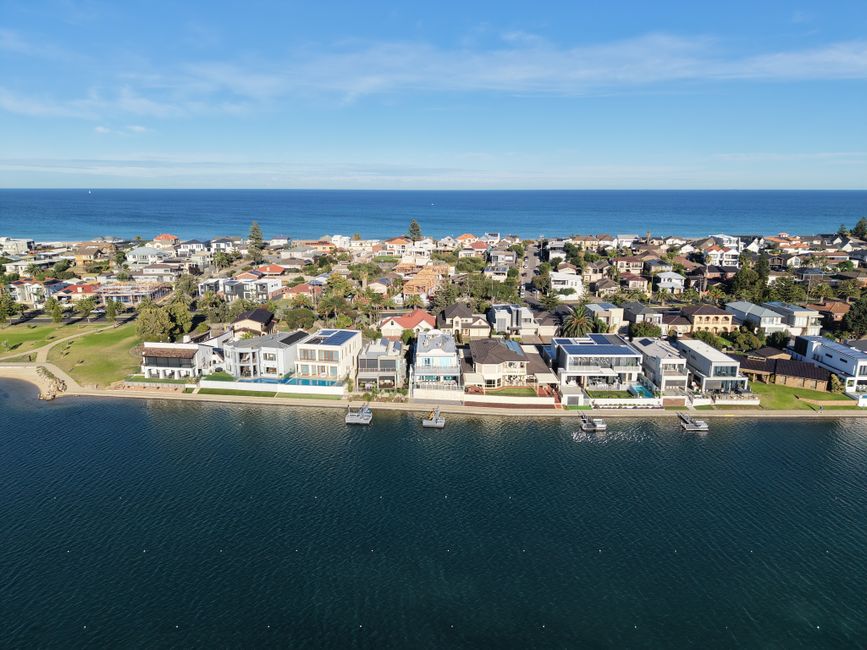
Darwin's property market has developed a quiet rhythm this winter: fewer properties crossing the auction block, more deals sealed in the weeks before. It's a shift that tells a story about confidence, timing, and the calculus of selling in a market where the median sits around $490,000 but momentum is no longer guaranteed.
The trend is particularly visible across the city's established suburbs. In Larrakeyah and Stuart Park, agents report a growing number of vendors accepting pre-auction offers rather than proceeding to formal sale events. On the face of it, this seems counterintuitive—auctions are meant to create competition and drive prices up. Yet for many sellers, the equation has changed.
"Certainty has value," says the logic underpinning these decisions. A vendor who receives a solid offer three weeks before an auction scheduled for Palmerston Showgrounds or Howard Springs can lock in their sale, avoid marketing costs, and sidestep the risk of a failed auction in a market where clearance rates have softened. The NT's defence spending uplift and government workforce stability provide a floor, but they don't eliminate uncertainty.
Recent transactions tell the story. A four-bedroom home on Packard Street in Coconut Grove that might have been listed for auction in late June instead sold privately in early June. A Parap investment property—the kind that typically attracts yield-focused buyers capitalising on NT's 6–7 per cent rental returns—went the same route. Neither seller sacrificed value; both gained certainty.
For vendors in secondary growth areas like Nadministrativa or Eastside, the calculation tilts further toward pre-auction settlement. These suburbs lack the density of competition-driving buyer pools. An early acceptable offer means not carrying holding costs through a quiet winter auction season.
Agents note that buyers themselves have shifted behaviour. Rather than waiting to compete at auction—where emotions and ego can inflate bids—savvy purchasers are now making structured pre-auction approaches, often conditional on finance and inspection. It's a more cautious market, but not a frozen one.
The trend doesn't suggest collapse. The NT market remains fundamentally supported by migration, defence contracts, and mining employment. Rather, it reflects maturation: vendors reading the market, buyers doing their homework, and both sides recognising that certainty, in the current environment, is worth more than the theoretical upside of an auction.
For Darwin's property sector, the message is clear. The dramatic auction day narrative—gavel falls, price soars—matters less than it did. Instead, the real action is happening in the quiet weeks before, where vendors and buyers are already finding their agreement.
This article was compiled by AI from the sources linked above and screened before publishing. See our editorial standards.
Your reaction
Spread the word
About this article
Published by The Daily Darwin
Daily brief
Free, in your inbox before 7am. Weekdays.
The Daily Network — local news across Australia