How much rent is too much? The 30% rule in practice
Darwin renters are testing the limits of the golden affordability ratio—and winning against buyers in a market where six-figure salaries still can't close the gap.
Darwin renters are testing the limits of the golden affordability ratio—and winning against buyers in a market where six-figure salaries still can't close the gap.
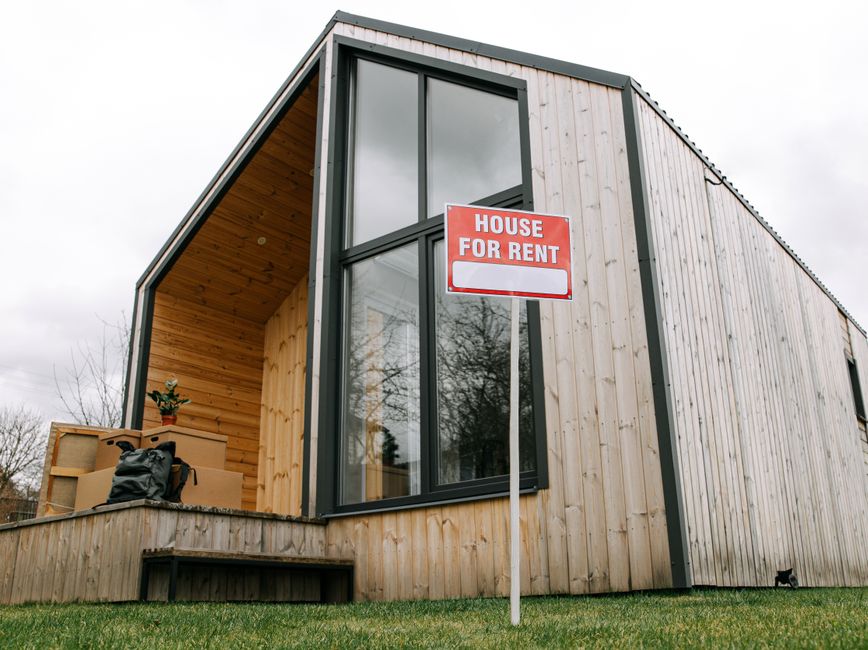
The financial advice is as old as the suburbs themselves: never spend more than 30 per cent of your gross income on rent. It's tidy, memorable, and almost entirely fictional in Darwin's current market.
Consider the numbers. A median Darwin household earning $95,000 annually should, by the rulebook, spend no more than $2,375 per month on rent. But a two-bedroom apartment on Mitchell Street or a modest house in Palmerston now fetches $2,100–$2,600 monthly. A family on an average mining or defence salary is already pushing 32–35 per cent. Add a second child, a car, and the Territory's climbing cost of living, and the 30 per cent threshold becomes a quaint fantasy.
Yet here's where Darwin's property story gets interesting. Rental yields averaging 6–7 per cent across the Northern Territory—the highest in Australia—have created an unusual inversion: renters are actually faring better than buyers trying to enter the market.
Take a three-bedroom house in Fannie Bay. Annual rent might be $32,000 (roughly 34 per cent of a $95k household income). To purchase the same property at the NT median of $490,000 requires a $98,000 deposit and a $392,000 mortgage. Even at current rates, that's $28,000 annually in repayments alone—before council rates, maintenance, and insurance. The rent-versus-buy math starts to favour staying put.
The Palmerston growth corridor tells a similar story. Newer builds on the southern fringe offer fractionally lower rents than established suburbs, but first-home buyers still face the deposit wall. Defence and government workers—Darwin's economic backbone—are increasingly choosing to rent longer, banking the difference between what they'd spend on a mortgage and what they actually owe.
This isn't entirely comfortable territory. Tenants stretched to 35 per cent of income lack the buffer for income interruption or rental increases. But it reflects a practical reality: Darwin's rental market, despite tight vacancy rates, remains marginally more accessible than ownership.
The 30 per cent rule survives in Darwin—just not for renters hitting the open market in 2026. Instead, it's become a marker of privilege: the salary level at which you can actually afford to follow the textbook. For most, the new unwritten rule is simpler: pay what you must, save what you can, and reassess when the property cycle turns.
This article was compiled by AI from the sources linked above and screened before publishing. See our editorial standards.
Your reaction
Spread the word
About this article
Published by The Daily Darwin
Daily brief
Free, in your inbox before 7am. Weekdays.
The Daily Network — local news across Australia