Darwin's rental advantage widens as capital city buyers face the squeeze
While Sydney and Melbourne renters battle soaring costs, Territory tenants enjoy some of Australia's highest yields and lowest entry barriers to homeownership.
While Sydney and Melbourne renters battle soaring costs, Territory tenants enjoy some of Australia's highest yields and lowest entry barriers to homeownership.
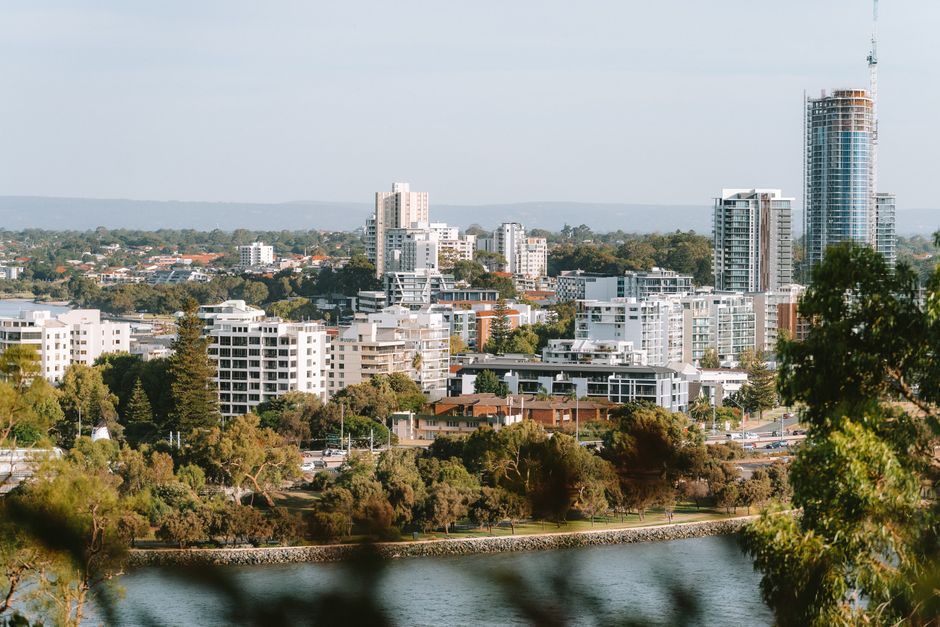
The arithmetic of Australian housing has shifted sharply in Darwin's favour. While capital city renters increasingly face the choice between paying record-high weekly costs or saving for years to buy, the Territory's rental market offers a starkly different calculus—one that's drawing investor attention and reshaping local demographics.
The numbers tell a compelling story. Darwin's median house price hovers around $490,000, yet rental yields consistently sit at 6–7 per cent annually—double the national average and triple what Sydney landlords achieve. For renters weighing the buy-versus-rent equation, this anomaly represents genuine opportunity. A tenant paying $450 weekly for a three-bedroom in Fannie Bay could theoretically purchase a comparable property for under $450,000, with mortgage repayments competitive with rent within five to seven years—a timeline unimaginable in Melbourne's inner suburbs or Sydney's coastal fringe.
The comparison becomes starker when examining the broader Northern Territory market. Palmerston, the Territory's fastest-growing region, offers similar rental yields with even lower purchase prices, attracting young families and defence force personnel who've watched capital city peers priced entirely out of the market. Meanwhile, renters in these same locations enjoy lower weekly costs than their counterparts 2,000 kilometres south.
This rental-to-ownership bridge matters increasingly for Territory demographics. The NT government's defence spending uplift and ongoing mining sector activity sustain a substantial workforce—many government and contract employees—for whom homeownership remains achievable within a working lifetime. Compare that to Sydney, where a median house price exceeding $1.2 million means many renters will never accumulate sufficient deposit equity, regardless of income.
Yet Darwin's advantage isn't unqualified. The rental market's strength reflects fundamentals that cut both ways: strong yield returns attract investor landlords, potentially constraining new dwelling supply and keeping rents competitive. Interest rate decisions by the RBA ripple through here as acutely as elsewhere, affecting both mortgage serviceability and investment demand. And for renters committed to long-term Territory residence, purchasing remains the rational move—but delayed rate cuts or economic softness could alter that calculus quickly.
For now, though, Darwin's rental market presents a rare luxury in contemporary Australia: genuine choice. Renters aren't trapped by the arithmetic that confines capital city tenants to permanent housing precarity. The weekly rent paid along Mitchell Street or in Palmerston suburbs represents not just a housing cost, but a realistic pathway to ownership—a proposition increasingly foreign to Australia's established capitals.
This article was compiled by AI and screened before publishing. See our editorial standards.
Your reaction
Spread the word
About this article
Published by The Daily Darwin
Daily brief
Free, in your inbox before 7am. Weekdays.
The Daily Network — local news across Australia