Darwin Council tightens density rules as CBD design standards shift focus to liveability
Planning reforms targeting Smith Street and Palmerston growth zones signal a new era of walkable neighbourhoods over vertical sprawl.
Planning reforms targeting Smith Street and Palmerston growth zones signal a new era of walkable neighbourhoods over vertical sprawl.
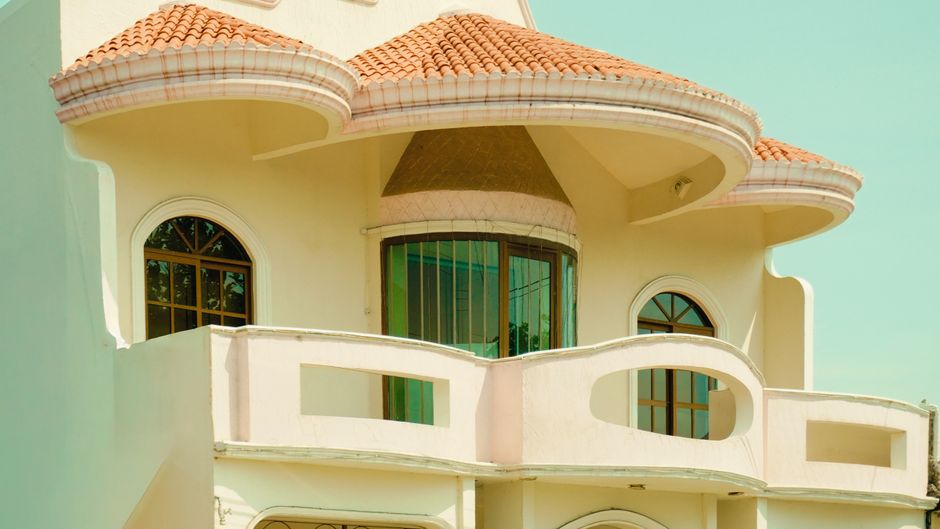
Darwin's planning landscape is undergoing its most significant recalibration in a decade, with the local council introducing stricter density controls and mandatory design standards that will reshape how the city grows over the next five years.
The reforms, which take effect across the city's key growth corridors, mark a pivot away from the apartment-led intensification that characterised development along Mitchell Street and the CBD fringe. Instead, planners are now emphasising mixed-use neighbourhoods with lower building heights, wider streetscapes, and a renewed focus on ground-floor activation.
"The changes reflect what we're hearing from residents and investors alike," says the planning framework documents released this month. Developments in the CBD's eastern precinct—including sites near the Raintree Hotel and along Cavenagh Street—now face revised building envelope restrictions that cap heights at 18 storeys rather than the previously permissible 25. In return, developers gain floor-space ratio flexibility if they incorporate public seating, landscaping, or community facilities.
Palmerston, Darwin's fastest-growing satellite, is experiencing the most dramatic shift. The suburb, which has absorbed much of the territory's population growth driven by defence and mining sector expansion, will see new subdivision minimum lot sizes increase from 600 square metres to 750 square metres in residential zones. Townhouse developments must now incorporate rear lane access and setback parking—a departure from the car-dominant designs that currently dominate the Gunn and Moulden corridors.
The changes come as the median Darwin property price hovers near $490,000, with rental yields remaining the nation's strongest at 6–7 per cent. That financial appeal has driven speculative apartment development, but council data suggests many recent CBD completions are struggling to attract long-term residents, with several buildings recording vacancy rates above 15 per cent.
Design standards now mandate that new residential buildings above four storeys incorporate varied façades, prevent monotonous repetition, and provide weather protection for pedestrians. Commercial precincts along Smith Street and the Nightcliff shopping district face new requirements for street trees, reduced setbacks, and active ground-level uses.
Industry observers are divided. Some developers argue the changes will slow project approvals and increase costs during a period when construction expenses are already elevated. Others suggest the reforms will ultimately strengthen Darwin's appeal as a liveable regional centre rather than a speculative asset class, particularly as federal defence investment continues to reshape the local workforce.
The council will review implementation in 2027, with initial approvals under the new framework expected by September.
This article was compiled by AI and screened before publishing. See our editorial standards.
Your reaction
Spread the word
About this article
Published by The Daily Darwin
Daily brief
Free, in your inbox before 7am. Weekdays.
The Daily Network — local news across Australia