Darwin's 2026 Slowdown: How This Market Cycle Differs Sharply from the 2021 Boom
Five years on from peak optimism, Darwin's property market is cooling—but structural advantages suggest the pullback is correction, not collapse.
Five years on from peak optimism, Darwin's property market is cooling—but structural advantages suggest the pullback is correction, not collapse.
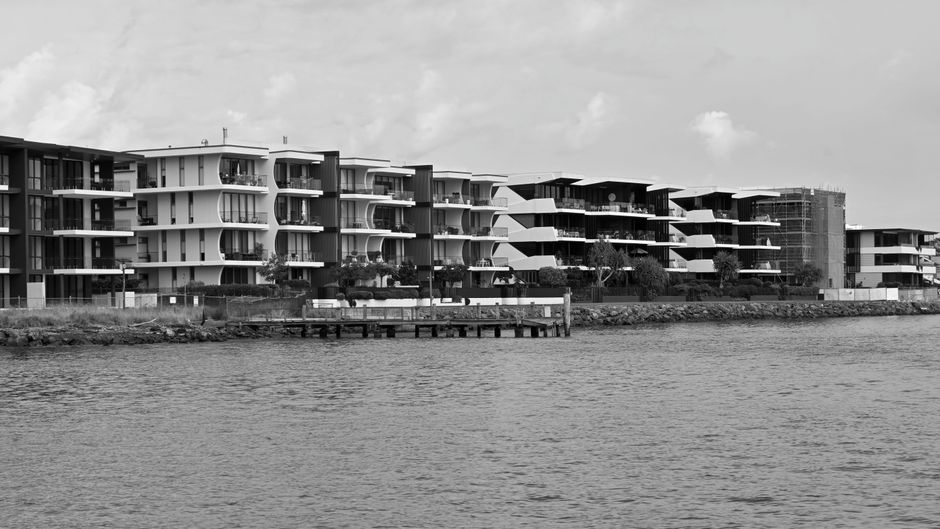
In 2021, Darwin's property market was the nation's darling. Defence spending announcements, FIFO worker demand, and record low interest rates combined to push median prices toward $520,000, with some Larrakeyah and Fannie Bay homes shifting in weeks. Today's reality tells a different story.
Current median valuations have settled around $490,000—a modest decline that masks deeper market segmentation. Premium suburbs like Parap and The Gardens remain resilient, while outer growth corridors in Palmerston and Noonamah show softer momentum. The gap between 2021's euphoria and 2026's restraint reflects something important: maturation rather than panic.
"The 2021 cycle was speculation-driven," explains local market observers. Investors chased yields above 6 per cent, an extraordinary return by southern standards. Today's 6–7 per cent rental yield landscape persists, but it's attracting a different buyer profile—owner-occupiers and long-term hold investors rather than flippers. Properties around Mitchell, Nightcliff, and Casuarina are seeing genuine end-user demand rather than auction-driven frenzies.
The rate environment separates these cycles most clearly. In 2021, the Reserve Bank held rates at 0.1 per cent. Buyers competed aggressively, assuming rates would remain accommodative indefinitely. By mid-2026, the cash rate had stabilised around 3.85 per cent after the tightening cycle—markedly higher, but arguably reflected in current asking prices. The market has digested this correction; it's not in free-fall.
Defence sector tailwinds remain a structural support absent from most Australian markets. Investment in the Northern Territory, Tindal expansion, and upgraded RAAF facilities in Darwin and Katherine continue driving employment and population. The 2021 boom assumed this; today's market prices it in more cautiously.
Rental demand from defence, mining, and government workforces sustains yields that southern investors still envy. A three-bedroom house in Winnellie or Brinkin renting for $450–$480 weekly still commands serious attention from yield-focused buyers, even as capital growth expectations normalise.
The softer 2026 picture isn't alarming—it's stabilising. Median price movements of 2–3 per cent annually feel pedestrian after 2021's double-digit surges, but they reflect a market finding equilibrium. Mortgage stress is lower than in cooling southern markets, vacancy rates remain tight, and genuine demographic tailwinds persist.
For investors and owner-occupiers, the comparison cuts both ways. The 2021 boom rewarded early movers and risk-takers handsomely. The 2026 market rewards patience, local knowledge, and understanding which suburbs—Fannie Bay's beachfront appeal or Palmerston's growth corridor—hold structural appeal beyond sentiment. That's not a boom. It's a functioning market.
This article was compiled by AI and screened before publishing. See our editorial standards.
Your reaction
Spread the word
About this article
Published by The Daily Darwin
Daily brief
Free, in your inbox before 7am. Weekdays.
The Daily Network — local news across Australia