Rapid Transit Link Reshapes Palmerston Property Market as Values Climb
The Darwin Metropolitan Rapid Transit project is quietly driving strong gains in suburbs along the planned corridor, defying broader softening in the Territory market.
The Darwin Metropolitan Rapid Transit project is quietly driving strong gains in suburbs along the planned corridor, defying broader softening in the Territory market.
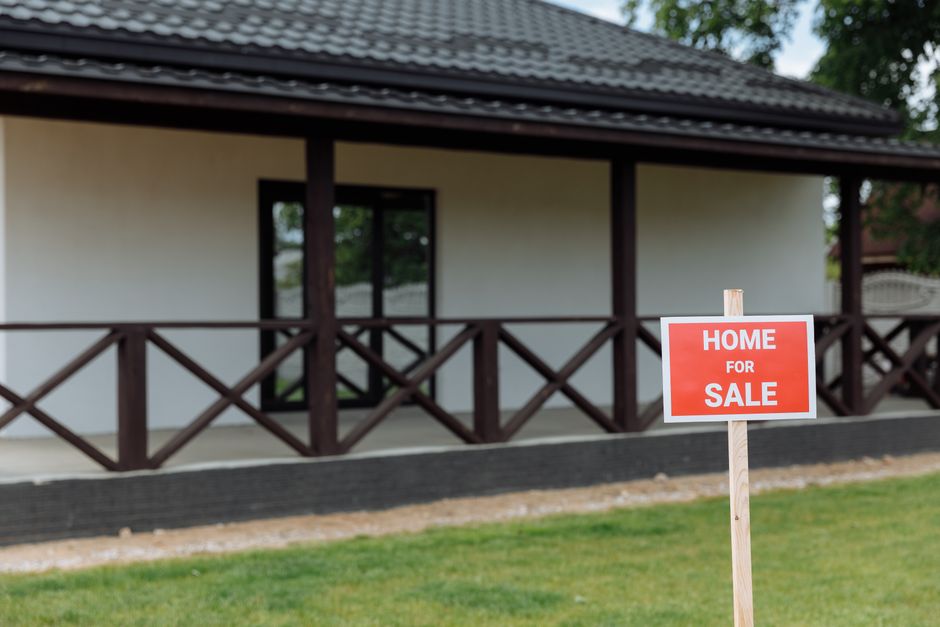
While Adelaide grapples with falling prices and buyers nationwide digest rate rises, Darwin's property market is telling a different story—at least in pockets where infrastructure is arriving.
The Darwin Metropolitan Rapid Transit (DMRT) project, which broke ground in early 2025 and is expected to link the CBD to Palmerston by 2028, is already reshaping values along its planned route. Properties within 800 metres of proposed stations in suburbs including Gunn, Nailed Tree, and Farrar have recorded median price growth of 4.2 per cent in the first half of 2026, according to preliminary data from local real estate analysts. That performance starkly contrasts with the Territory-wide median holding steady at approximately $490,000.
The project, jointly funded by federal defence spending allocations and Territory infrastructure commitments, will slash travel time from outer suburbs to the city centre. For Palmerston—home to significant Defence and government workforce clusters around Larrakeyah and Robertson Barracks—the promise of 20-minute commutes is already attracting owner-occupiers and investors.
"We're seeing serious inquiry from people working in the mining and defence sectors," says local agents operating around Farrar Road and Ross Smith Avenue in Gunn. "They recognise the convenience play here, and rental yields remain the strongest in Australia at 6 to 7 per cent."
The DMRT is not merely symbolic. It represents the most substantial transport infrastructure upgrade Darwin has seen since the Stuart Highway corridor expansion a decade ago. Five proposed stations will service commuter parking precincts, retail zones, and residential clusters. The project also triggers ancillary development: land rezoning around Palmerston station has already attracted planning applications for mixed-use precincts and medium-density housing.
For property investors, the infrastructure arbitrage is clear. While mortgage stress and tax policy changes have dampened sentiment in southern cities, Darwin's fundamentals remain anchored by government employment, resources sector demand, and now, shovel-ready transport infrastructure.
The DMRT completion is still two years distant, meaning the property cycle typically rewards early movers. Suburbs like Nailed Tree, where median values hover near $425,000, represent the sweet spot: close enough to benefit from the rapid transit corridor but distant enough to offer residual price growth before the infrastructure premium fully capitalises.
Not all Darwin is rising. Inner suburbs and CBD-adjacent zones face structural headwinds from rental oversupply. But the DMRT corridor is shaping into the Territory's clearest property play for the remainder of 2026 and beyond.
This article was compiled by AI and screened before publishing. See our editorial standards.
Your reaction
Spread the word
About this article
Published by The Daily Darwin
Daily brief
Free, in your inbox before 7am. Weekdays.
The Daily Network — local news across Australia