Fannie Bay: Darwin's Blue-Chip Suburb Still Offering Value in a Tightening Market
As northern property prices stabilise, this established waterfront neighbourhood combines lifestyle credentials with genuine investment upside.
As northern property prices stabilise, this established waterfront neighbourhood combines lifestyle credentials with genuine investment upside.
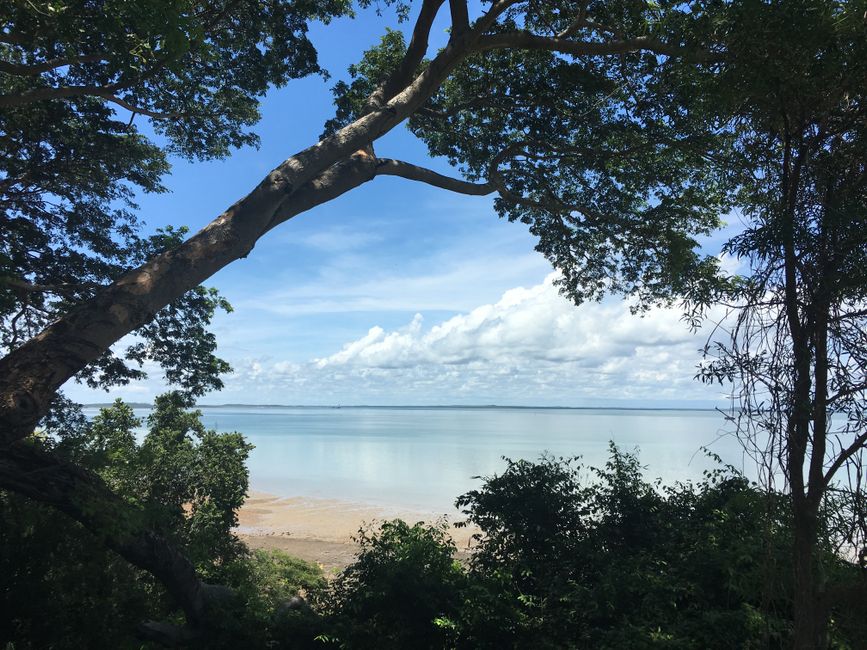
Fannie Bay has long occupied a peculiar position in Darwin's property hierarchy. Established, prestigious, and home to some of the Territory's most coveted addresses, it's a suburb where six-figure price tags have become routine—yet relative to comparable Australian coastal markets, genuine value persists.
The neighbourhood's proximity to both the Darwin waterfront precinct and the expanding services corridor makes it a natural choice for the government and defence workforce that underpins the local economy. Median values have drifted around $520,000–$560,000 for family homes, modest by Sydney or Melbourne standards but reflective of the Territory's broader market dynamics as rate expectations settle.
What distinguishes Fannie Bay from newer sprawl developments in Palmerston and Onkaparinga Heights is infrastructure maturity. Residents enjoy established access to the Fannie Bay Oval precinct, the East Point foreshore reserve—a genuine recreational drawcard—and proximity to the CBD's retail and hospitality spine along Smith Street. The suburb's tree-lined streets around Grenfell and Kitchener Roads convey a sense of permanence absent from greenfield estates.
Rental yields remain compelling. Investors tracking the Territory's 6–7 per cent yield environment find Fannie Bay particularly attractive; the suburb's demographic—young families, transferring professionals, defence personnel on postings—ensures steady tenant demand. Unit stock, particularly along the bay-facing corridors, attracts renters willing to pay premium rates for the lifestyle proposition.
The recent softening in Adelaide and other southern markets hasn't materially impacted Darwin's fundamentals. Defence spending uplift, immigration-driven population growth, and the Territory's relative affordability versus the eastern seaboard continue to underpin long-term demand. Fannie Bay, as a blue-chip address within that context, appeals equally to owner-occupiers seeking established amenity and investors seeking capital stability with income upside.
Vendors remain realistic in the current environment. Properties that might have commanded premium multiples 18 months ago are now pricing competitively, creating a narrow window for considered buyers. The median $520,000–$560,000 bracket represents fair value for a suburb offering both lifestyle and investment credentials.
For those tracking Darwin's property trajectory, Fannie Bay represents a hedge: the security of an established neighbourhood with the yield metrics typically associated with emerging markets. In a stabilising national landscape, that combination remains rare.
This article was compiled by AI and screened before publishing. See our editorial standards.
Your reaction
Spread the word
About this article
Published by The Daily Darwin
Daily brief
Free, in your inbox before 7am. Weekdays.
The Daily Network — local news across Australia