Cashing Out and Cashing In: Where Darwin's Downsizers Are Moving and Why
Older homeowners are trading oversized suburban blocks for smarter, smaller properties — and they're reshaping demand in two Darwin postcodes.
Older homeowners are trading oversized suburban blocks for smarter, smaller properties — and they're reshaping demand in two Darwin postcodes.
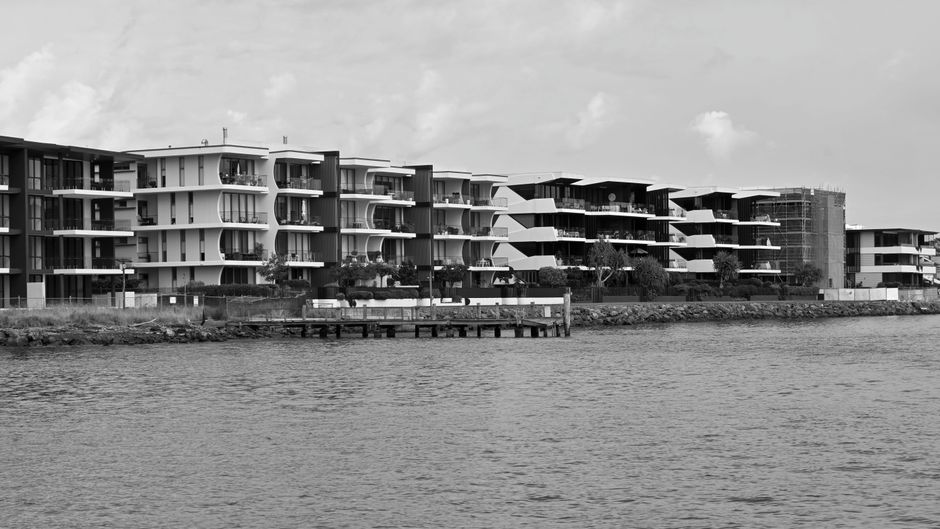
Darwin's downsizer cohort is on the move. Across the country, families trying to sell larger homes are finding buyers scarce, but in the Top End, a specific group of owner-occupiers — mostly government retirees and long-serving defence contractors in their late 50s and 60s — is quietly engineering one of the more interesting micro-trends in the local market: a surge of downsizer demand concentrated in Larrakeyah and the Cullen Bay marina precinct, both within four kilometres of the Darwin CBD.
The timing matters. Darwin's median house price sits around $490,000 — roughly half the cost of comparable properties in Brisbane's inner suburbs — and the Northern Territory government's HomeGrown Territory scheme, which offers stamp duty concessions for eligible buyers, still makes a meaningful dent in transaction costs for locals moving within the market. That combination of relative affordability and targeted policy relief is pulling downsizers away from their three- and four-bedroom homes in Palmerston and Leanyer and steering them toward smaller footprint dwellings closer to the water.
Larrakeyah has long been NT Defence Housing Australia territory, with the Larrakeyah Barracks base anchoring a neighbourhood of modest federation-era and mid-century homes. But over the past 18 months, a cluster of boutique apartment and townhouse projects along Kitchener Drive and the foreshore has attracted a different buyer: the empty-nester who has sold a four-bedroom house in Wulagi or Malak and wants lock-up-and-leave convenience without leaving Darwin entirely. Units here are transacting between $420,000 and $580,000, a range that makes sense after equity release from a suburban home bought pre-2015.
Cullen Bay is the sharper end of that trend. The marina precinct, which wraps around the Cullen Bay Ferry Terminal and faces Frances Bay, now carries apartment prices averaging around $550,000 to $650,000 for two-bedroom stock — up roughly eight percent on 2024 figures according to Real Estate Institute of the Northern Territory data. Rental yields in the precinct are running at approximately 6.2 percent, which gives downsizers the option of treating a second purchase as an investment while they test the waters of semi-retirement. Several owner-occupiers who bought in the suburb in the early 2010s for under $400,000 are now sitting on gains that make the transition financially straightforward.
The Federal Government's expanded superannuation downsizer contribution rules — which since January 2023 have allowed Australians aged 55 and over to contribute up to $300,000 each from a home sale into their super fund — have materially changed the maths for this demographic. A couple selling a Palmerston home for $520,000 after a mortgage payoff of $180,000 can funnel up to $600,000 combined into super, effectively turning a property transaction into a retirement planning event. Darwin's relatively low property prices mean that equity can go further here than in Sydney or Melbourne.
The stalled market conditions being felt by downsizers in southern capitals are less acute locally, though agents working the Rapid Creek and Fannie Bay corridors report that the top end of the Darwin market — homes above $900,000 — has softened since late 2025. Below $600,000, stock is moving. The NT government's ongoing $1.9 billion defence infrastructure program, centred on HMAS Coonawarra and Robertson Barracks in Palmerston, continues to pump transient professional renters into the market, which underpins yields and gives downsizers confidence that an investment property will not sit vacant.
For anyone considering a similar move before the end of the 2026 financial year, the practical advice is straightforward: get a building inspection done early on older Larrakeyah stock, many homes date to the 1960s and carry asbestos considerations, and confirm eligibility for the HomeGrown Territory concession before exchanging contracts. The NT Revenue Office processes those applications and the criteria include a 12-month owner-occupation requirement. Anyone who has held a Darwin home for more than a decade is almost certainly in a position to make this transition work — the numbers are genuinely compelling right now.
Your reaction
Spread the word
About this article
Published by The Daily Darwin
Daily brief
Free, in your inbox before 7am. Weekdays.
The Daily Network — local news across Australia