Lease Up, Options Down: What Darwin Renters Can Do When the Clock Runs Out
With rental vacancy rates scraping the bottom and landlords holding all the cards, Territory renters facing lease-end decisions need a clear-eyed plan — fast.
With rental vacancy rates scraping the bottom and landlords holding all the cards, Territory renters facing lease-end decisions need a clear-eyed plan — fast.
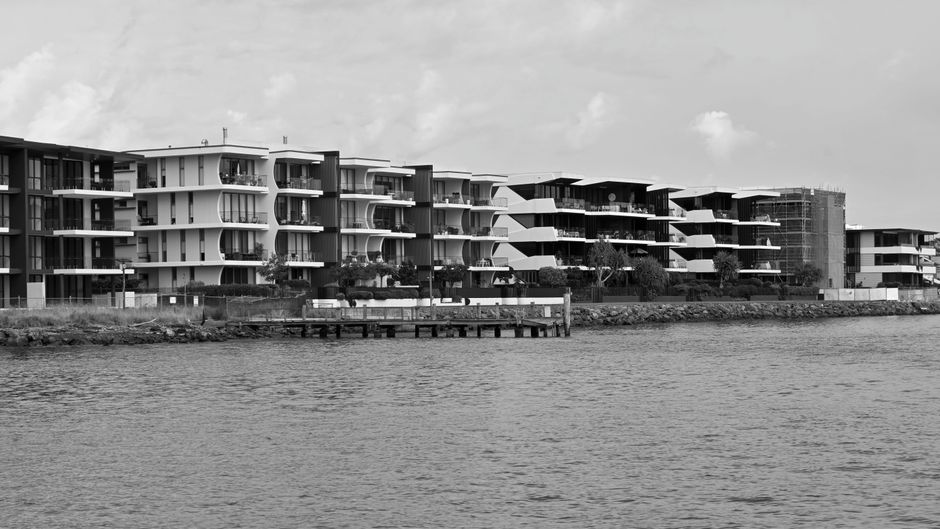
Darwin's rental market is not giving an inch. Vacancy rates across Greater Darwin sat at just 0.8 percent in June 2026, according to SQM Research — roughly one-quarter of what economists consider a balanced market. For renters whose leases are expiring over the next 90 days, that number is not an abstraction. It means fewer than a handful of available properties per suburb, bidding wars on Parap townhouses, and property managers in Palmerston reporting multiple applications within hours of a listing going live.
The pressure is acute right now for several overlapping reasons. A fresh wave of defence personnel is rotating through RAAF Base Darwin and Robertson Barracks ahead of expanded US Marine Corps rotations under the Force Posture Initiatives agreement, adding hundreds of households to an already undersupplied pool. Mining contractor numbers are also up again, with Tambla Group and several smaller operators placing accommodation requests with Darwin property managers at rates not seen since the Ichthys LNG construction peak. Meanwhile, new dwelling completions across the NT remain stubbornly low — the Housing Industry Association recorded just 312 new residential approvals in the Northern Territory for the 12 months to April 2026.
Darwin's median house price sits around $490,000 — below Melbourne, Sydney and Brisbane by a significant margin, and largely unchanged over the past 18 months. That flat price line is doing something interesting: it is making the rent-versus-buy calculation genuinely competitive for the first time in years. Rental yields here average between 6 and 7 percent, which is the highest sustained yield of any capital city in Australia. Put plainly: landlords are getting strong returns, but tenants are funding those returns with weekly rents that, for a three-bedroom house in Palmerston's Zuccoli estate, now routinely exceed $600 per week.
A buyer purchasing that same Zuccoli property at $490,000 with a 10 percent deposit would face monthly mortgage repayments of roughly $2,850 at current variable rates — comparable, not wildly superior, to renting. The difference is equity accumulation and security of tenure. Stamp duty on a $490,000 NT purchase runs to approximately $23,928 under the Territory Revenue Office's standard schedule, though the First Home Owner Grant of $10,000 and the Territory's HomeBuild Access program — which allows eligible buyers to borrow with deposits as low as 2 percent — can meaningfully close that upfront gap.
Tenants whose leases are expiring should act on at least three fronts simultaneously rather than waiting to see what the landlord offers at renewal. First, contact the NT's Tenancy Advisory Service — based on Woods Street in Darwin CBD — at least eight weeks before lease end. The service provides free advice on negotiating holdover terms and understanding your rights under the Residential Tenancies Act if a landlord declines to renew without grounds. Second, register with the Real Estate Institute of the Northern Territory's rental alert system, which aggregates new listings before they hit the major portals. Properties in established suburbs like Nightcliff and Ludmilla are spending fewer than four days on market; speed of application is everything.
Third — and this is the option many renters dismiss too quickly — approach a mortgage broker for a pre-approval conversation even if buying feels distant. Northern Territory Home Loans and several Darwin branches of the major banks are currently processing pre-approvals in five to seven business days. A pre-approval does not commit anyone to purchasing, but it establishes a ceiling and creates options. Given that the gap between renting and owning in Darwin is narrower than it has been in a decade, understanding exactly where that line sits is useful intelligence regardless of the final decision.
The market is not about to loosen. Defence rotations run on multi-year schedules, the construction pipeline cannot respond quickly enough to close the supply gap, and Queensland's stamp duty blowout — with some Brisbane suburbs recording duty bills up $180,000 in recent years — is pushing interstate buyers northward in search of affordable entry points. Darwin is on that list. Renters whose leases expire before October 2026 should treat this as a decision-making window, not a waiting game.
Your reaction
Spread the word
About this article
Published by The Daily Darwin
Daily brief
Free, in your inbox before 7am. Weekdays.
The Daily Network — local news across Australia