Darwin’s Low Vacancy Rates Fuel Fierce Competition in Rental Market
Tenants are battling overflowing open homes and rising prices as Darwin’s tight vacancy rate drives up rental stress.
Tenants are battling overflowing open homes and rising prices as Darwin’s tight vacancy rate drives up rental stress.
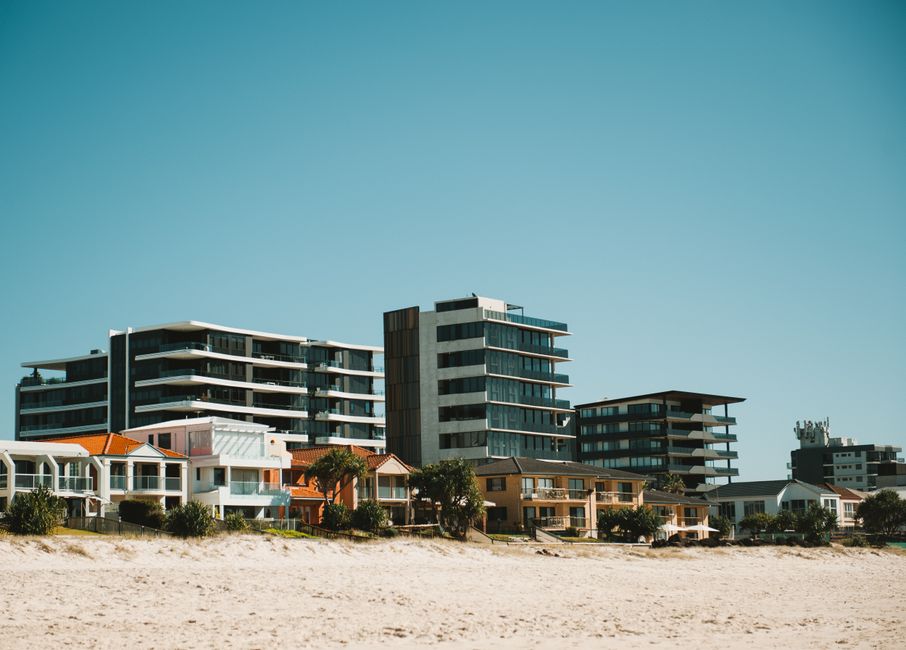
Good luck to anyone trying to snag a rental in Darwin this winter. According to new figures released 4 July 2026 by CoreLogic, the city’s residential vacancy rate sits at just 1.2%—the second-lowest in the country, and a sharp drop from the year prior. Prospective tenants are lining up outside open homes from Bakewell to Nightcliff, driving rent bidding wars and pushing many to reconsider whether owning is now the more affordable option.
This surge in competition isn’t an accident. Major federal defence investments, especially around the Robertson Barracks and RAAF Base Darwin, have brought an influx of workers and their families in the past 18 months, according to NT Treasury’s 2026 economic update. Concurrently, Palmerston’s rapid growth—its population topping 45,000 for the first time—hasn’t translated into enough new homes to keep up with demand. Stuart Park, Ludmilla and the waterfront precinct have also seen high demand, with local agents like O’Donoghues and Real Estate Central reporting weekly queues at rental inspections.
The squeeze is also hitting affordability. Across the Darwin region, houses have a median weekly rent of $680, and units aren’t far behind at $590, according to CoreLogic’s June figures. With the NT’s median house price at about $490,000, Darwin continues to boast the highest gross rental yields in the country—hovering at 6.5%—but that’s cold comfort for would-be tenants facing three or more groups at every inspection and record-low chances of success.
The numbers paint a stark picture. Data from the Real Estate Institute of Northern Territory shows that in Darwin City and suburbs like Parap and Leanyer, the number of available rentals has dropped by nearly 30% since July 2025. The City of Darwin’s own housing strategy identifies supply constraints as the number one concern, citing a pipeline of just 470 new dwellings to come online in 2027—hardly enough to absorb population growth sparked by the new INPEX expansion and the rollout of the Housing Together pilot program in Malak and Lyons.
For those considering the switch from renting to buying, the equation isn’t simple. While the city’s median home price remains well below the national average, saving a deposit is becoming more challenging as rents climb. A three-bedroom home in Rosebery, once a reliable rental market staple at $540 per week, is now commonly advertised for $690, putting further pressure on household budgets.
So what comes next for Darwin’s squeezed renters? Analysts expect vacancy rates to remain below 2% well into 2027, especially if major infrastructure projects continue on schedule. Experts recommend prospective tenants explore less-competitive suburbs like Driver or Woodroffe and register interest with key agencies before new listings hit the market. Others are looking further afield: Humpty Doo and the rural areas have seen a 12% uptick in new rental inquiries since May, a sign that the search for affordability is pushing house hunters further out. For now, patience and persistence remain the most valuable currency in Darwin’s competitive rental battleground.
Your reaction
Spread the word
About this article
Published by The Daily Darwin
Daily brief
Free, in your inbox before 7am. Weekdays.
The Daily Network — local news across Australia