What Renters Can Do When Leases End Amid Tight Supply
As Darwin's rental market tightens, tenants face tough choices when their leases expire, with some areas experiencing vacancy rates as low as 0.5%
As Darwin's rental market tightens, tenants face tough choices when their leases expire, with some areas experiencing vacancy rates as low as 0.5%
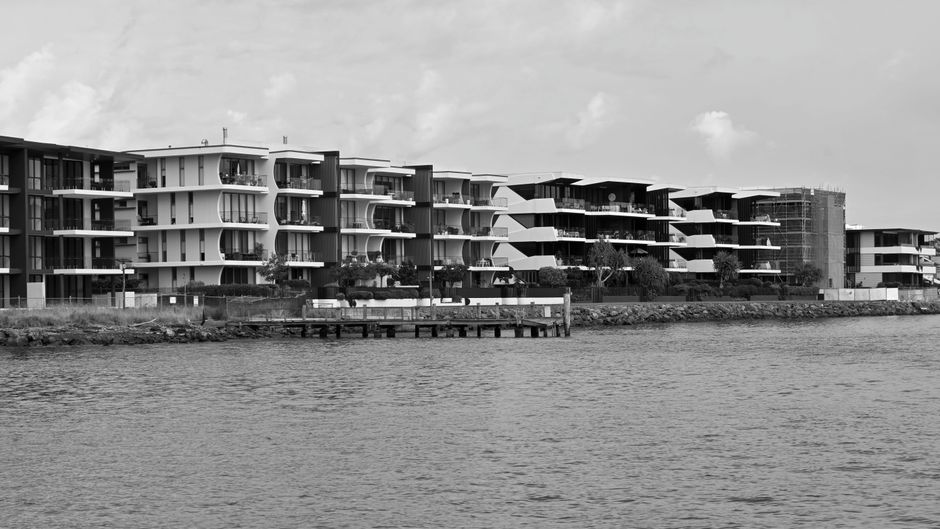
Darwin renters are facing a daunting reality: with leases ending and a severe shortage of available properties, many are struggling to find new homes.
This matters now because the Northern Territory's strong economy, driven by government and mining jobs, has led to an influx of new residents, putting pressure on the rental market. The Palmerston growth area, in particular, has seen a surge in demand, with many renters competing for limited properties. As a result, organisations like the Northern Territory Real Estate Institute and the Darwin Community Legal Service are reporting increased inquiries from concerned tenants.
In areas like Stuart Park and Fannie Bay, renters are finding it especially tough to secure new leases. The popular Nightcliff and Rapid Creek suburbs are also experiencing low vacancy rates, leaving tenants with limited options. Local real estate agents, such as those at Elders Real Estate and LJ Hooker, are working overtime to manage the demand, but it's clear that the supply of rental properties is not meeting the needs of the community. The Charles Darwin University and the Royal Darwin Hospital, major employers in the region, are also feeling the effects of the tight rental market, as staff and students struggle to find affordable accommodation.
According to data from CoreLogic, the median rent in Darwin is currently around $520 per week, with some areas reaching as high as $650 per week. As of June 2026, the vacancy rate in Darwin is sitting at a low 1.2%, with some areas, like the suburb of Nakara, experiencing vacancy rates as low as 0.5%. This means that renters are often facing competition from multiple applicants for a single property, driving up prices and making it even harder for tenants to find a new home. The NT Government's Housing Market Trends report, released in March 2026, also highlights the challenges faced by renters, with a significant increase in rental prices over the past 12 months.
So, what can renters do when their leases end amid this tight supply? Firstly, it's essential to start looking for a new property well in advance, ideally 6-8 weeks before the lease expires. Renters should also be prepared to act quickly when they find a suitable property, as competition is fierce. The Darwin Renters' Guide, published by the Tenants' Union of the Northern Territory, provides valuable advice and resources for renters navigating the challenging Darwin market. Additionally, renters may want to consider exploring different suburbs or areas, such as the upcoming development in Berrimah, which may offer more affordable options.
Ultimately, renters in Darwin need to be proactive and flexible when their leases end. By understanding the local market, being prepared to act quickly, and exploring all available options, tenants can increase their chances of finding a new home in this competitive rental market. As the NT Government continues to invest in defence spending and infrastructure projects, the demand for rental properties is likely to remain high, making it essential for renters to be informed and strategic in their search for a new place to call home.
Your reaction
Spread the word
About this article
Published by The Daily Darwin
Daily brief
Free, in your inbox before 7am. Weekdays.
The Daily Network — local news across Australia