Thornton Rises: Darwin’s Growth Corridor Surges as New Infrastructure Transforms Suburb
Major road and school projects in Thornton are fuelling investor interest and reshaping Darwin’s property map.
Major road and school projects in Thornton are fuelling investor interest and reshaping Darwin’s property map.
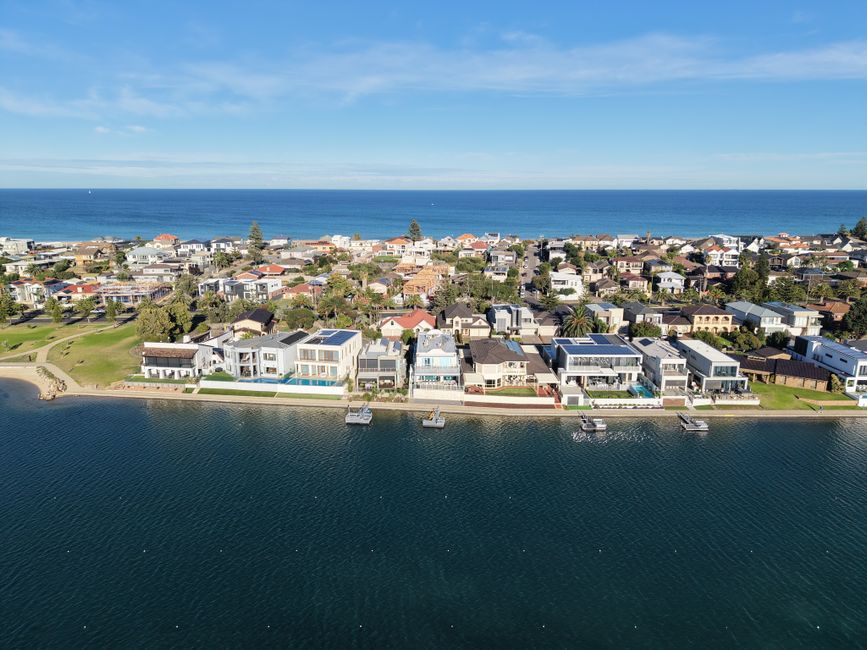
A wave of new infrastructure projects is driving a property boom in Thornton, with the northern Darwin suburb emerging as a standout growth corridor for both homebuyers and investors. Cornerstone government spend on roads, transport, and education has made the area one of the most closely watched in the Top End in 2026.
Thornton’s rapid evolution comes as the Northern Territory’s property market outperforms every other capital in Australia for rental yields. With a median house price of $505,000—just above the broader Darwin median—and a raft of infrastructure underway, local agents say demand is heating up in a pocket once overlooked by southern investors.
Two major projects are top of mind for Thornton locals. The first is the $42 million Lindsay Road extension, connecting the suburb directly to Berrimah Business Park and cutting commute times to Darwin CBD by more than 12 minutes, according to NT Infrastructure’s project brief. The second is the February 2026 opening of Thornton Primary School, with capacity for 530 students and community-access sports courts, drawing new families west from Palmerston and nearby Zuccoli.
"The school’s launch is a magnet," said one Palmerston-based property manager, pointing to steady inquiry upticks around Hibiscus Drive and the new Rose Gum Estate precinct. In addition, work is progressing on the multi-use Thornton Community Centre on Paterson Avenue, which will include co-working hubs and a health clinic run by Danila Dilba Health Service. Local café Operator’s Corner, perched on Silverleaf Drive, now reports Saturday trade rivalling central Casuarina for the first time.
For investors, figures are eye-catching. Thornton’s median weekly rent reached $720 in June—nearly 40% higher than the national average, according to CoreLogic. Residential vacancy sits at just 1.1%, and property management groups including O’Donoghues First National say most homes along Battery Hill Road are leased within a week. Across Darwin, the average gross rental yield hovers at 6.6%, but new estates in Thornton are pushing up to 7.1%.
“We’re seeing buyers from Victoria and South Australia competing with locals for anything under $650,000,” said one Palmerston-based buyer’s agent. Recent sales data has Deering Street’s three-bed homes up 11% year-on-year. NT Government figures confirm $213 million committed to Palmerston area upgrades through 2027—including water mains, playground overhauls, and traffic-calming on key routes like McManus Road—helping anchor price confidence.
With the Commonwealth announcing an additional $120 million defence spend on RAAF Base Darwin upgrades by early 2027, Thornton is also capturing attention from contractor families and FIFO workers. Agents advise would-be investors to act promptly, as competition is highest for modern homes within walking distance of new amenities. First open homes at the upcoming Jacaranda Park townhouse development, set for September launch, have booked out. New bus routes and cycle trails connecting to Palmerston should further boost liveability. Locals with an eye to capital growth are watching closely as Thornton cements its place as Darwin’s next infrastructure-fuelled hotspot.
Your reaction
Spread the word
About this article
Published by The Daily Darwin
Daily brief
Free, in your inbox before 7am. Weekdays.
The Daily Network — local news across Australia