What Darwin Renters Can Do When Leases End Amid Tight Supply
Darwin tenants face steep rents and limited options as vacancy rates plummet—here’s how locals are adapting when leases expire.
Darwin tenants face steep rents and limited options as vacancy rates plummet—here’s how locals are adapting when leases expire.
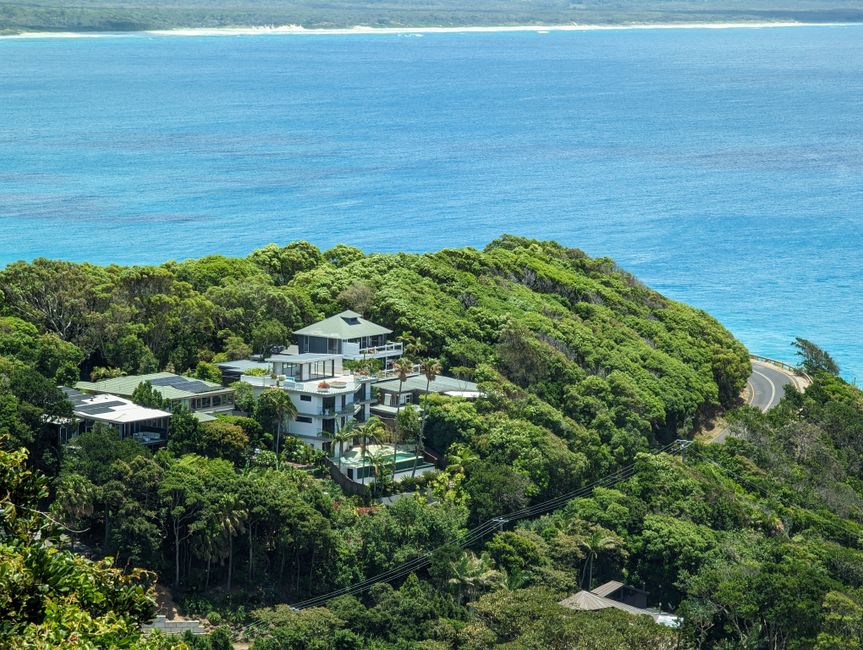
A vacancy crunch across Darwin is forcing renters to scramble as lease end dates approach, with some households weighing tough choices including temporary moves or considering a jump into home-ownership far sooner than planned.
The tight supply isn’t just numbers on a market report—real-world pressure is hitting dozens of households week by week in suburbs like Nightcliff and Stuart Park. Many renters now discover their first challenge is simply finding another available listing. At the start of July 2026, there were just 205 advertised rental properties across the entire Greater Darwin market, according to figures from Territory Real Estate. In the inner-north, Nightcliff’s average weekly rent for a two-bed flat now sits at $560, up $140 from just three years ago.
For those who work in the ever-growing defence and mining sectors, uncertainty at lease renewal can mean more than a bump in rent. Rebecca from Darwin Community Legal Service says her office on Smith Street has received a 40% spike in requests for tenancy support since Easter, particularly from families with children enrolled at Ross Park Primary and Malak Primary. “We have clients being asked at lease-end for increases of $50 a week—or in some cases simply told the place will be sold or moved to the short-stay market,” she said.
The squeeze is driving some renters to revisit buying as an alternative, but rapid price growth and tough lending conditions complicate the picture. Darwin’s median house price is holding steady near $490,000, CoreLogic’s June report shows, while mortgage rates at most local lenders now hover at 7.35% for an owner-occupier paying principal and interest on a 20% deposit. This means monthly repayments for a typical three-bedroom house in Palmerston—now priced around $510,000—will land at roughly $3,355, before insurance and council rates. By comparison, a similar house rents for about $695 per week in Rosebery, adding up to $3,011 monthly. That leaves slim room for savings while trying to amass a deposit.
But even the former-economic wisdom that Darwin’s high rental yields made housing more affordable for renters is under pressure. Units in the CBD, for example, are now fetching yields of 6.6%—the highest on record—yet the average lease time on new stock is just eight days, showing intense competition. The median rent for a two-bedroom CBD apartment hit $545 in June, and multiple applications per listing are now the norm, according to LJ Hooker Darwin on Cavenagh Street.
When a lease expires and new listings are scarce, renters say moving quickly is the first rule. Many are lodging applications on properties as soon as they appear on portals like Realestate.com.au or Domain, and assembling their paperwork—pay slips, references, and rental ledgers—well before viewing a property. Local community Facebook groups, such as "Darwin Rental Watch" and the Palmerston Residents Association, have become lifelines for word-of-mouth leads on properties before they’re officially advertised.
For those completely priced out, the NT Government's Rental Affordability Scheme offers a handful of discounted dwellings, though only 112 properties remain under the program in Darwin after years of wind-down. Shared housing is also making a quiet comeback, particularly in suburbs close to Charles Darwin University and Royal Darwin Hospital. Even so, housing advocates warn the basic formula remains stacked against tenants. As demand surges and vacancy rates hover below 1.1%, Darwin renters are increasingly relying on flexibility, speed, and every possible local tip to avoid being left without a roof as lease-ends loom.
Your reaction
Spread the word
About this article
Published by The Daily Darwin
Daily brief
Free, in your inbox before 7am. Weekdays.
The Daily Network — local news across Australia