Build-to-Rent Booms in Darwin: What’s in it for Local Tenants?
Purpose-built rental developments are changing options for renters in Darwin, but how much value do they actually deliver in the current market?
Purpose-built rental developments are changing options for renters in Darwin, but how much value do they actually deliver in the current market?
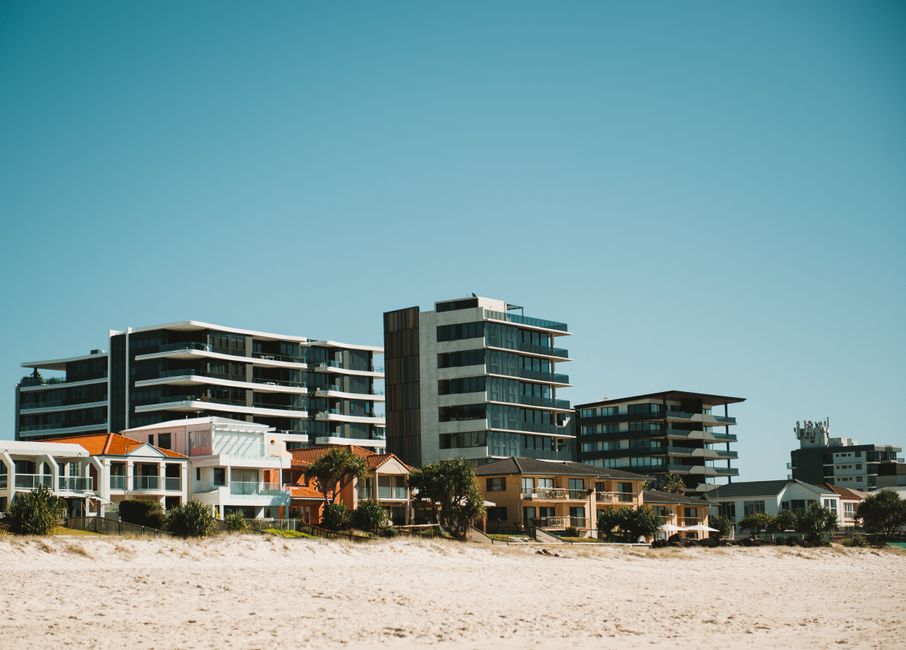
Darwin is witnessing a surge in build-to-rent developments, with at least four major projects slated for the CBD and nearby suburbs this year, as developers respond to a tight rental market and some of the nation’s highest yields. The new Caveneigh Residences on Daly Street is the latest to open its doors, promising flexible leases, shared amenities and maintenance-free living to tenants locked out of rising property prices.
The arrival of these purpose-built rental complexes matters now more than ever. Median house prices have jumped to $492,000, with demand fuelled by a swelling government and mining workforce, plus major defence investment in the Top End. At the same time, rental competition remains fierce—suburb profiles released by the Real Estate Institute of the Northern Territory (REINT) show vacancy rates hovering around 1.7% across inner-Darwin, pushing up average rents and deepening the struggle for affordable housing.
Caveneigh Residences isn’t alone. Similar projects are springing up in Palmerston’s Gateway area, and local developer Tropic Living recently began work on a 100-apartment build-to-rent complex beside Frances Bay. Unlike traditional investment apartments, these complexes are owned and managed by a single institution—often a major national fund—which means tenants deal directly with a professional management company rather than an individual landlord.
For renters, there are some distinct advantages. Build-to-rent buildings usually include on-site gyms, communal rooftop gardens, and even dog-washing stations—extras not found in Darwin’s typical apartment blocks along Woods Street or The Esplanade. Tenants are being offered longer lease terms (up to three years at Caveneigh), no bond loan processing fees, and the certainty of capped annual rent increases. Management handles all maintenance requests through dedicated apps, cutting out lengthy back-and-forth with absent landlords.
But are these perks enough to tip the affordability equation? Data from CoreLogic shows the average weekly rent for a new two-bedroom unit in central Darwin is now $580, with Palmerston just behind at $540. At Caveneigh, two-bed apartments are marketed from $600 a week—roughly on par but skewing slightly higher for the newest stock. On a purchase front, the same-size apartment in Woolner or Stuart Park commands a median price of $430,000, which, given current NT home loan rates around 6%, means monthly repayments after a standard 20% deposit sit near $2,050. For many, the upfront costs and deposit hurdle remain significant barriers, making build-to-rent’s “just move in” offer appealing despite slightly higher weekly outlays.
According to the NT Department of Infrastructure, more than 300 new purpose-built apartments will enter the Darwin market by July 2027. If these properties attract the projected influx of Defence personnel and FIFO mining workers, rental yields—already topping 6.5% in suburbs like Zuccoli—are likely to remain buoyant.
For renters deciding between staying put, buying, or signing up for build-to-rent, experts advise running the numbers carefully and weighing lifestyle perks. Build-to-rent doesn’t solve Darwin’s affordability crunch overnight, but for workers on the move and those frustrated by inconsistent landlords, it offers something new. The next phase will reveal whether tenants view the extra amenities and stability as worth the premium, or continue chasing shrinking bargains in established suburbs. In the meantime, applicants for Caveneigh and Gateway’s new complexes can expect waitlists to stretch into the new year.
Your reaction
Spread the word
About this article
Published by The Daily Darwin
Daily brief
Free, in your inbox before 7am. Weekdays.
The Daily Network — local news across Australia