Palmerston Property Darwin: NT's Hottest Development Zone
Discover why Palmerston is Darwin's fastest-growing suburb. Explore median prices, 6-7% rental yields, and major infrastructure projects reshaping the NT property market.
Discover why Palmerston is Darwin's fastest-growing suburb. Explore median prices, 6-7% rental yields, and major infrastructure projects reshaping the NT property market.
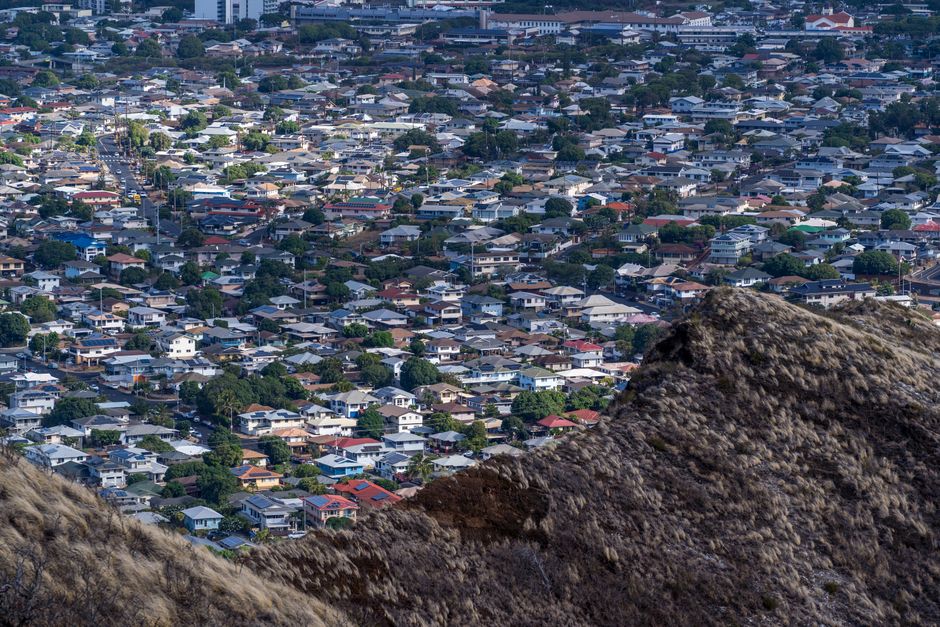
Palmerston is experiencing a quiet revolution. Once dismissed as a sprawling dormitory suburb south of Darwin, the region has emerged as the Northern Territory's most active development corridor, with major planning approvals and infrastructure investments signalling a significant shift in the Territory's growth trajectory.
The transformation reflects broader market dynamics reshaping Darwin's property landscape. While the Territory's median house price hovers around $490,000, Palmerston offers something increasingly rare in today's market: affordable entry points combined with rental yields that consistently outpace southern counterparts at 6-7 per cent annually.
Recent planning approvals have fast-tracked residential and mixed-use developments across key precincts. The Stuart Highway corridor, which bisects Palmerston, has become the focus of substantial commercial and residential investment. Major approved projects include expanded retail and entertainment facilities, alongside new townhouse and apartment complexes targeting the growing workforce employed in government agencies and mining services based in the region.
"What we're seeing is deliberate, strategic growth," explains one local development manager. "Palmerston has the infrastructure backbone that other suburbs lack—power, water, transport connections—and developers recognise that."
The suburb's appeal extends beyond economics. Proximity to schools, shopping centres, and the expanding Katherine Terrace business precinct makes it attractive to young families and professionals relocating to Darwin for government or resource sector roles. The Territory's dependence on government employment and mining investment creates a stable tenant base—a critical factor when rental yields matter as much as capital growth.
However, planning approvals don't guarantee smooth sailing. The Territory's construction sector faces familiar headwinds affecting Australia broadly: labour shortages, material costs, and timeline delays. Several approved projects have experienced pushback from planning authorities over environmental and infrastructure assessments, particularly regarding stormwater management and transport integration.
The Palmerston boom also highlights a critical tension in Darwin's development narrative. While outer suburbs like Palmerston attract bulk development and investor interest, inner-city precincts including Larrakeyah and Fannie Bay have struggled to attract comparable investment despite premium locations. This geographic divergence reflects affordability pressures and investor preferences for yield-focused acquisitions over lifestyle purchases.
For buyers and investors considering Palmerston, timing questions loom. Development approvals suggest sustained growth, but the Territory's economic volatility—particularly exposure to commodity prices and government budget cycles—creates uncertainty. Local agents report strong inquiry from interstate investors attracted by rental returns, but sustained price growth depends on population stability and employment creation.
As Palmerston transitions from suburban satellite to genuine growth engine, stakeholders should watch closely whether infrastructure and planning keep pace with development momentum—or whether another Darwin boom falls victim to its own success.
This article was compiled by AI from the sources linked above and screened before publishing. See our editorial standards.
Your reaction
Spread the word
About this article
Published by The Daily Darwin
Daily brief
Free, in your inbox before 7am. Weekdays.
The Daily Network — local news across Australia