Darwin's Youth Sport Participation Data Reveals Worrying Gaps in Local Fitness Culture
New figures show uneven access to grassroots programs across suburbs, raising questions about equity in the Territory's athletic pipeline.
New figures show uneven access to grassroots programs across suburbs, raising questions about equity in the Territory's athletic pipeline.
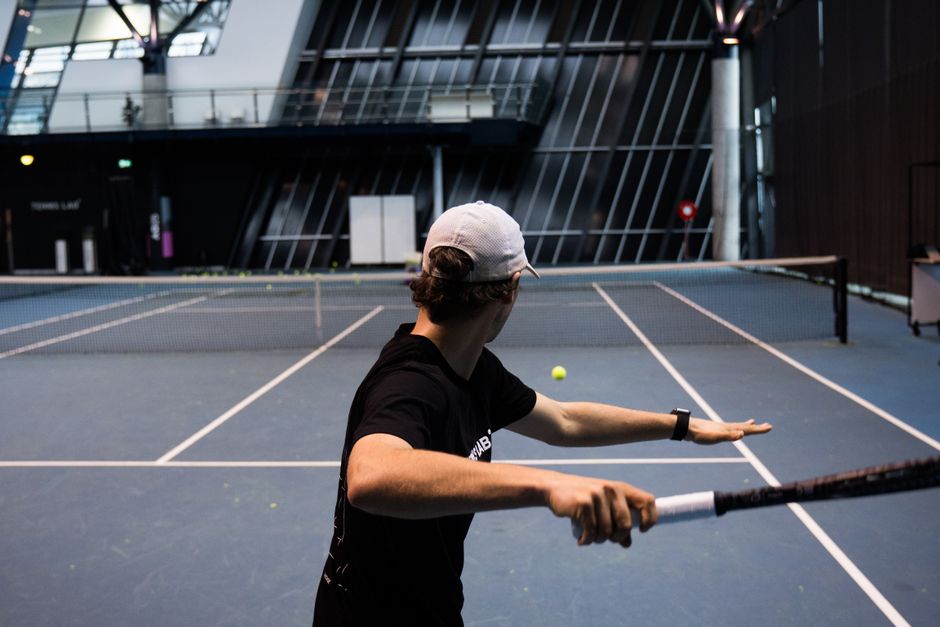
Participation data released by the Northern Territory Grassroots Sport Alliance paints a mixed picture of youth fitness engagement across Darwin, with stark disparities between affluent inner suburbs and outer residential areas that warrant urgent attention from local clubs and policymakers.
The latest figures, covering the 2025-26 season, reveal that structured sport participation among Darwin's 8-17 age group stands at 64 percent—a figure that masks troubling geographical divides. In suburbs like Fannie Bay and The Gardens, where purpose-built facilities cluster around the Darwin Aquatics Centre and local ovals, participation rates exceed 72 percent. Yet in rapidly growing outer suburbs such as Noonamah and Acacia Hills, where families have migrated seeking affordable housing, participation drops to just 48 percent.
The data suggests infrastructure and affordability remain stubborn barriers. Annual club membership fees ranging from $180 to $520—depending on sport and venue—present genuine obstacles for many households. Combined with transport costs to inner-city venues and competition schedules that favour established clubs, newer outer suburbs struggle to build sustainable grassroots programs.
Swimming and Australian Rules Football dominate participation across all demographics, reflecting Darwin's sporting heritage. However, individual sports like martial arts and gymnastics show stronger uptake in Parap and Larrakeyah, where private academies operate alongside council programs. Traditional team sports, conversely, depend heavily on volunteer-run clubs clustered around Marrara Oval and the Stuart Park precinct.
Club sustainability presents another concern highlighted in the data. Seventeen youth clubs across Darwin reported operating below 60 percent of optimal volunteer capacity during the 2025-26 season. Without dedicated coordinators—positions typically unfunded—clubs struggle to manage competitions, coaching development, and pastoral care for young athletes.
The Alliance's research officer noted that Darwin's unique challenges—population mobility, tropical climate constraints on winter sport facilities, and seasonal school holidays spanning December to February—create conditions unlike southern capitals. Programs that work in Melbourne or Brisbane require local adaptation.
Encouragingly, community-led initiatives show promise. The Howard Springs District Youth Sports Collective, established in 2024, has grown from 120 to 340 registered participants by embedding programs within existing school infrastructure and recruiting local coaches. Similarly, council investment in Rapid Creek ovals has expanded winter sport access.
Moving forward, targeted investment in outer-suburb facility development, subsidised membership schemes, and volunteer retention initiatives could narrow participation gaps and strengthen Darwin's athletic foundations.
This article was compiled by AI from the sources linked above and screened before publishing. See our editorial standards.
Your reaction
Spread the word
About this article
Published by The Daily Darwin
Daily brief
Free, in your inbox before 7am. Weekdays.
The Daily Network — local news across Australia