Darwin's Endurance Boom: How Local Clubs Are Building Unbreakable Communities
From the Waterfront to rural training grounds, running, cycling and triathlon clubs across Darwin are creating spaces where athletes of all levels discover belonging alongside personal achievement.
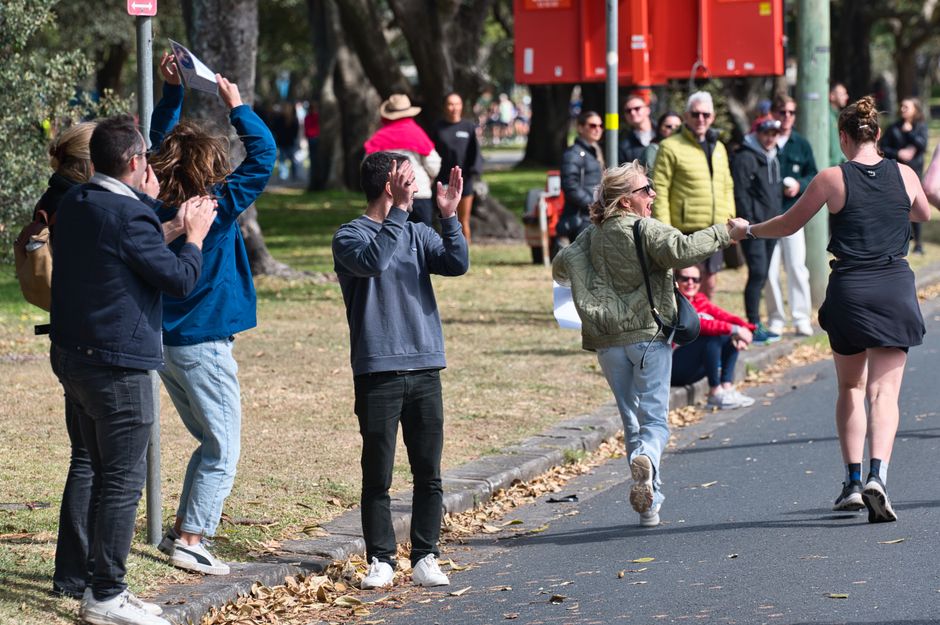
On any given Tuesday evening, the carpark near the Darwin Waterfront Precinct transforms into a gathering point for dozens of runners lacing up for their weekly session. What began five years ago as an informal group of eight has blossomed into Darwin Running Collective, now numbering over 180 active members across beginner, intermediate and advanced cohorts.
"The thing that keeps people coming back isn't just the fitness," says one long-time member. "It's the fact that you're part of something bigger than yourself."
This pattern is repeating across Darwin's endurance sports landscape. The Darwin Cycling Alliance, based out of Palmerston, has expanded membership by 47 percent in the past two years, now organising three weekly rides ranging from 35 kilometres to 85 kilometres. Meanwhile, the Darwin Triathlon Club, which operates training sessions at Lake Alexander and the Nightcliff swimming enclosure, has launched a mentorship program pairing experienced competitors with newcomers.
Local gym and fitness facility Endurance Hub on Cavenagh Street has capitalised on this momentum, hosting indoor training clinics and becoming an unofficial headquarters for the triathlon community during wet season months when outdoor training becomes challenging. Membership fees typically range from $15 to $25 per session, or $120 monthly for unlimited access—modest investment for the structured coaching and peer support included.
What distinguishes Darwin's endurance culture is its inclusivity mandate. The Running Collective deliberately structures sessions to accommodate walkers alongside runners. The Cycling Alliance maintains beginner-friendly routes with support vehicles. The Triathlon Club actively recruits from underrepresented demographics, with women now comprising 38 percent of membership—well above national averages.
These clubs have become informal social infrastructure. Members report reduced isolation, improved mental health, and expanded professional networks. For Darwin's expanding population—now exceeding 150,000—this matters. The tropical climate and geographic isolation can create psychological barriers; endurance sports clubs actively counter this by embedding fitness within community structures.
Competitions organised locally, including the annual Darwin Half Marathon (attracting 2,400 participants) and the Palmerston Cycling Classic, generate estimated $850,000 in local economic activity while reinforcing club identities.
As Darwin continues its demographic shift and urban expansion, these clubs represent something increasingly valuable: spaces where strangers become teammates, where personal discipline intersects with collective purpose, and where fitness becomes a vehicle for belonging rather than mere vanity.
This article was compiled by AI from the sources linked above and screened before publishing. See our editorial standards.