From Beach to Pool: How Darwin's Grassroots Swimmers Are Building a Blue-Water Revolution
A decade-long community effort has transformed aquatic sport in Darwin from an elite pursuit into an accessible movement reaching thousands.
A decade-long community effort has transformed aquatic sport in Darwin from an elite pursuit into an accessible movement reaching thousands.
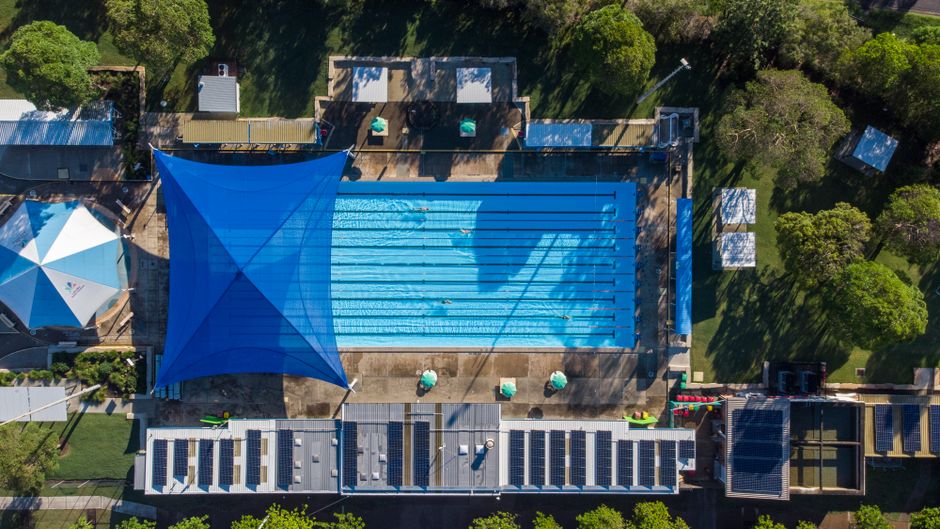
Walk along the Mitchell Street waterfront on any Tuesday evening and you'll spot them: clusters of swimmers in high-visibility caps moving methodically through the Cullen Bay Marina precinct. These aren't competitive athletes training for state titles. They're teachers, nurses, construction workers, and retirees participating in what has quietly become Darwin's most inclusive sports movement.
What started in 2016 as a handful of concerned parents launching a learn-to-swim initiative in the Larrakeyah neighbourhood has evolved into a coordinated network of eight community programs reaching nearly 2,400 local residents annually. The movement's backbone—the Darwin Waterways Alliance, a volunteer-run coalition—coordinates activities across multiple venues including the East Point Recreation Reserve pool, Nightcliff Jetty, and the Darwin Aquatic Centre on McMinn Street.
"The turning point came when we realised cost was the real barrier," explains Sarah Chen, volunteer coordinator for the Fannie Bay community group, one of the Alliance's founding chapters. Membership fees for traditional swim clubs ran $400-600 annually. The grassroots model slashed this to $80-120, with subsidies available for disadvantaged families.
The economic impact ripples outward. Local equipment suppliers report a 34% increase in sales since 2020. Swim instructors—often trained through free certification programs funded by Territory grants—have established 23 part-time coaching positions across community clubs. The NT Government's 2024 investment of $1.2 million in grassroots aquatic infrastructure reflected growing political recognition of the movement's reach.
Participation data tells a compelling story. Aquatic activities now rank fourth in community sport engagement across Darwin, behind football and netball but substantially ahead of traditional water polo and diving. The demographic spread is notably diverse: 43% of participants identify as First Nations Australians, compared to 12% representation in elite swimming programs statewide.
Yet challenges persist. Water temperature fluctuations in the dry season, saltwater equipment corrosion, and seasonal cyclone closures of outdoor facilities create logistical hurdles. The Alliance's recent $340,000 grant application to expand covered facilities at the East Point reserve signals recognition that sustainability requires infrastructure investment.
What makes Darwin's aquatic movement distinctly grassroots isn't merely its volunteer structure or affordability model. It's the deliberate decision to prioritise belonging over performance metrics. Open-water swimming circles in the Fannie Bay precinct explicitly welcome nervous beginners alongside experienced swimmers. Parents volunteer as pool monitors. Local schools integrate community programs into their PE curricula.
As we reach the mid-year mark of 2026, Darwin's water sports revolution remains notably unglamorous—no social media influencers, no sponsorship deals. But on any given evening, when three hundred Darwinians slip into chlorinated pools or protected marine waters, the movement's true measure reveals itself: a city has simply decided that swimming belongs to everyone.
This article was compiled by AI from the sources linked above and screened before publishing. See our editorial standards.
Your reaction
Spread the word
About this article
Published by The Daily Darwin
Daily brief
Free, in your inbox before 7am. Weekdays.
The Daily Network — local news across Australia