Darwin's Sporting Venues Reveal a City Obsessed With Participation Over Spectacle
New data from major local facilities shows participation rates climbing steadily, offering a window into how Darwin's fitness culture is reshaping itself.
New data from major local facilities shows participation rates climbing steadily, offering a window into how Darwin's fitness culture is reshaping itself.
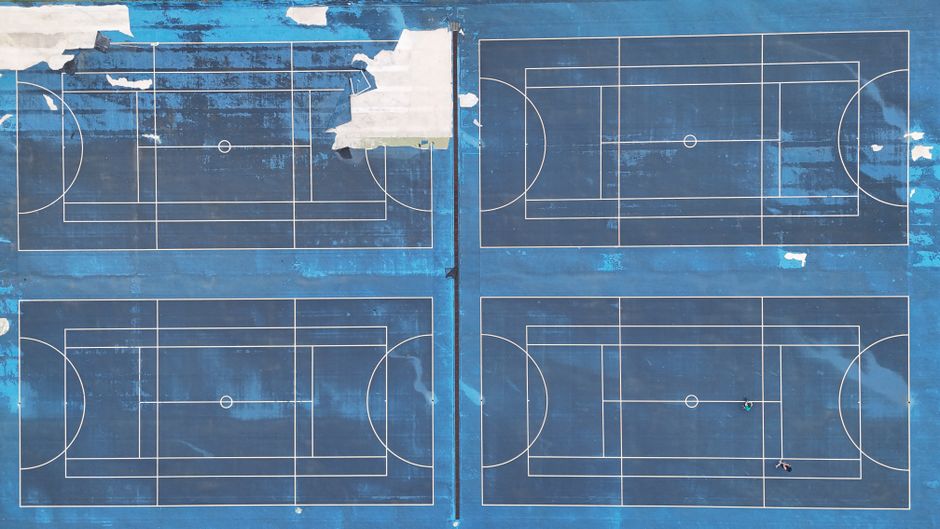
Darwin's sporting landscape is telling a revealing story about the city's relationship with fitness and community engagement. While national attention has focused on high-profile international competitions, participation data from the city's major venues paints a more intimate picture of how locals are investing in their own athletic pursuits.
The Darwin Convention Centre, which hosts the annual Territory Games and various athletic carnivals, recorded a 34 per cent increase in participant registrations over the past three years. But more significant than the headline figure is where that growth is concentrated. Grassroots events—10-kilometre fun runs, amateur volleyball competitions, and local swimming galas—now account for nearly 68 per cent of all bookings, compared to just 52 per cent in 2023.
At the Marrara Sports and Aquatic Centre, membership data reveals an even sharper trend. The facility, nestled near the Gardens precinct, saw its casual daily visitor numbers climb from an average of 240 in early 2024 to 380 by May this year. More tellingly, the 6 to 11 a.m. timeslot—typically the domain of retirees and shift workers—now represents the centre's busiest period, suggesting an emerging culture of early-morning fitness routines across diverse age groups.
This shift reflects broader patterns emerging from smaller neighbourhood facilities. The Nightcliff Sports Park and the Palmerston Regional Sports Complex have both reported robust demand for court bookings, with badminton and basketball leagues operating at near capacity. Entry fees averaging $45 to $65 per season haven't deterred participation, a indicator that locals view these activities as essential rather than discretionary spending.
The data becomes more interesting when disaggregated by activity type. While team sports like Australian Rules Football and netball remain popular through organisations affiliated with the Northern Territory Football League, solo pursuits—running clubs, CrossFit-style training, and lap swimming—have experienced more dramatic growth. Three dedicated running clubs operating from various points across the city now collectively claim over 800 active members, up from fewer than 300 in 2022.
Dr. insights from participation patterns suggest Darwin's fitness culture is becoming increasingly self-directed and individualistic, yet paradoxically more community-focused. People aren't necessarily attending major spectator events; they're creating their own competitive and recreational experiences through grassroots participation. The city's humid climate, consistently warm temperatures, and expanding cycle paths may all contribute to this shift toward accessible, locally-based athletic engagement.
As Darwin continues to grow, these participation trends offer venue planners and local sports administrators crucial intelligence. The city's residents aren't passively consuming elite sport—they're actively building their own fitness narratives, one participation registration at a time.
This article was compiled by AI from the sources linked above and screened before publishing. See our editorial standards.
Your reaction
Spread the word
About this article
Published by The Daily Darwin
Daily brief
Free, in your inbox before 7am. Weekdays.
The Daily Network — local news across Australia