Darwin's Amateur Leagues Paint Portrait of a City Embracing Year-Round Fitness Culture
New participation data reveals explosive growth in recreational sport across the Territory, with surprising trends about who's playing what.
New participation data reveals explosive growth in recreational sport across the Territory, with surprising trends about who's playing what.
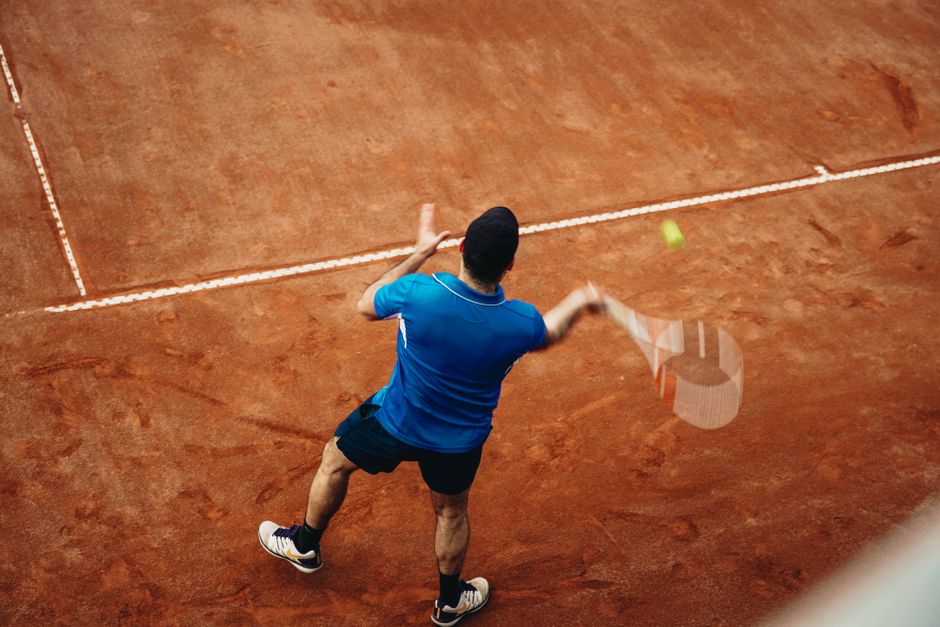
When the Darwin Sports and Recreation Board released its latest participation audit last month, the numbers told a story that surprised even seasoned administrators: recreational sport in the Territory has grown by 34 per cent over the past three years, fundamentally reshaping how locals approach fitness and community engagement.
The data, compiled from 47 registered amateur leagues and clubs across greater Darwin, suggests a city increasingly hungry for organised competition beyond the professional sphere. From netball courts in Nightcliff to touch football fields along the Stuart Highway corridor, participation has surged among demographics traditionally underrepresented in structured sport.
Perhaps most striking is the 56 per cent increase in mixed-gender recreational cricket teams registered with the Darwin Cricket Association. Twenty-three teams now compete in evening competitions across grounds like Waratah Park and Marrara Oval—a dramatic shift from five years ago when the association fielded just fourteen sides. Membership fees averaging $180 per player suggest serious investment from participants willing to pay for structured play.
The amateur soccer league tells a similar story. Seven hundred and twelve registered players compete across forty-one teams in winter and summer divisions, up from 512 just two seasons prior. The majority cluster in the 25-45 age bracket, suggesting the recreational sector appeals to working professionals seeking fitness without the weekend commitment of traditional weekend-only codes.
Swimming and aquatics present perhaps the most revealing participation trend. Nine clubs operating across Darwin's public pools—Casuarina, Fannie Bay, and Palmerston facilities included—now support over 1,200 active members. Adult lap swimming and masters competitions have become particularly popular, with Tuesday and Thursday evening sessions regularly at capacity.
Yet the data also highlights persistent accessibility gaps. Registration costs ranging from $150 to $400 per season likely exclude lower-income households. Participation rates remain unevenly distributed, with Nightcliff, Fannie Bay, and Casuarina accounting for nearly 62 per cent of registered players—a geographic concentration reflecting socioeconomic patterns across the city.
For administrators, the boom presents both opportunity and challenge. Venue availability remains constrained during peak hours, and volunteer-dependent club management often struggles with administrative burden. The Parks and Gardens division has flagged pressure on maintenance schedules across municipal ovals.
Yet the broader picture is undeniable: Darwin's recreational sport culture is thriving. The data suggests a maturing city where fitness participation extends far beyond elite athletes, embracing thousands who simply want to compete, improve, and belong to something organised. That's worth celebrating—and worth ensuring remains accessible to all.
This article was compiled by AI from the sources linked above and screened before publishing. See our editorial standards.
Your reaction
Spread the word
About this article
Published by The Daily Darwin
Daily brief
Free, in your inbox before 7am. Weekdays.
The Daily Network — local news across Australia