Darwin's Grassroots Sports Clubs Are Thriving—and Rebuilding the City's Sense of Belonging
From the courts of the Palmerston Sports Complex to the fields of Marrara Oval, amateur leagues are forging stronger neighbourhoods one match at a time.
From the courts of the Palmerston Sports Complex to the fields of Marrara Oval, amateur leagues are forging stronger neighbourhoods one match at a time.
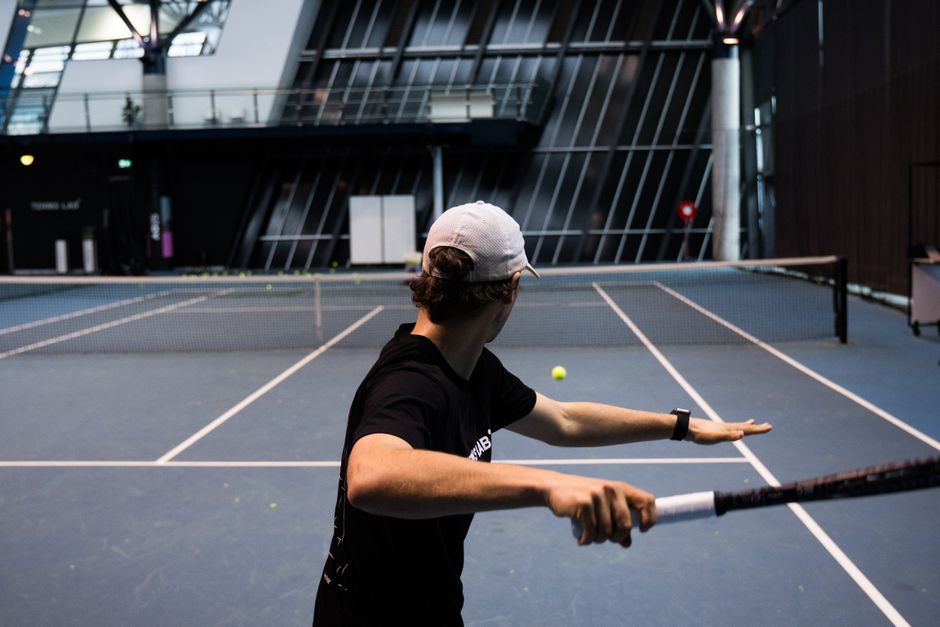
On any given Thursday evening, the car parks around the Palmerston Sports Complex fill quickly. Tennis rackets, cricket bats, and football kits emerge from boots as players aged 16 to 65 gather for weekly fixtures that have become the heartbeat of Darwin's recreational sports scene. It's a phenomenon that sports administrators across the city say reflects a broader revival in grassroots participation—one that extends far beyond the playing field.
The Darwin Amateur Sports Association reports a 34 per cent increase in registered club memberships over the past three years, with participation now exceeding 8,500 across all codes. That growth mirrors a global trend toward community-centred activity, but in Darwin's context, it speaks to something distinctly local: a city deliberately rebuilding its social fabric through sport.
"We're not just fielding teams," says one administrator at the Nightcliff Football Club, which operates from grounds near the Stuart Highway corridor. "We're creating spaces where people who might otherwise never meet become teammates, mates, and neighbours. That matters in a city as dispersed as ours."
The economics are modest but meaningful. Most amateur clubs charge $150 to $300 per season for membership, with additional fees for competitions. Yet this accessibility has proven crucial. Suburbs like Fannie Bay, Larrakeyah, and Casuarina have each seen new or revived clubs establish themselves, with waiting lists common for everything from social netball to touch rugby.
The Marrara Oval precinct has become a focal point. Weekend mornings now host everything from junior cricket clinics to women's AFL nine-a-side tournaments. The venue's upgrade in 2024—featuring improved lighting and expanded change facilities—was partly driven by community advocacy, underscoring how investment in grassroots infrastructure translates to genuine participation gains.
Beyond the obvious health benefits, clubs report secondary impacts. Parents volunteer as scorers and coaches. Local businesses sponsor teams. Schools refer students seeking after-school engagement. The Beachfront Cricket Club even partnered with the local library to establish a mentorship programme linking younger players with older volunteers.
This isn't unique to Darwin, but the scale of the city—and its relatively dispersed population—makes such concentrated community building remarkable. With geopolitical tensions dominating headlines and public discourse increasingly fractious, the quieter story of how a city reconnects through local sport deserves attention. Darwin's amateur leagues remind us that belonging, often, begins with showing up on time and giving your best.
This article was compiled by AI from the sources linked above and screened before publishing. See our editorial standards.
Your reaction
Spread the word
About this article
Published by The Daily Darwin
Daily brief
Free, in your inbox before 7am. Weekdays.
The Daily Network — local news across Australia