Youth Sport Programs Darwin: Grassroots Clubs
Discover how Darwin's grassroots sports clubs are making youth programs affordable and accessible across suburbs like Casuarina and Palmerston.
Discover how Darwin's grassroots sports clubs are making youth programs affordable and accessible across suburbs like Casuarina and Palmerston.
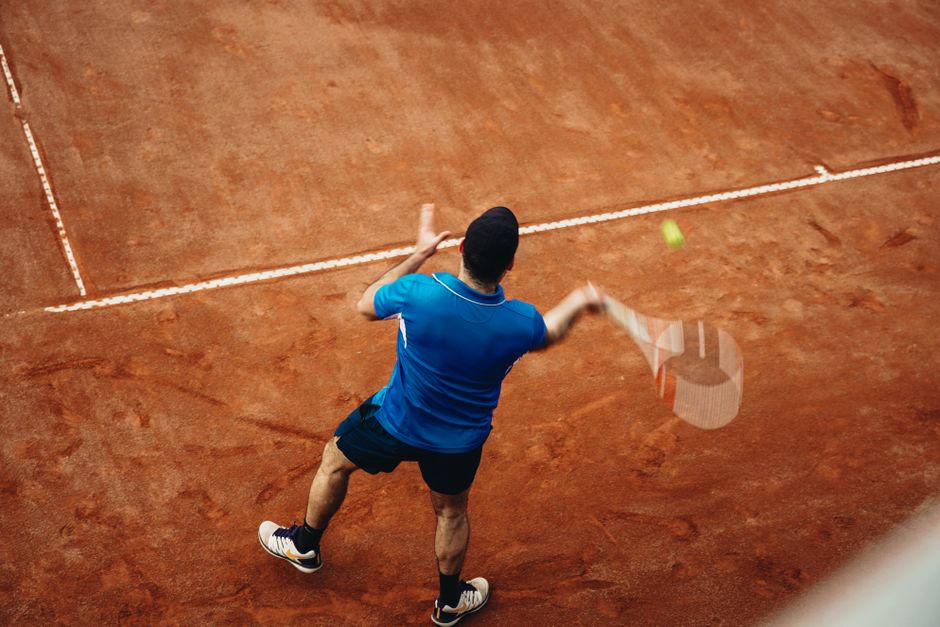
On any weekday evening, the bitumen courts at Fannie Bay Recreation Reserve hum with activity. Kids aged 8 to 16 weave between basketball hoops, their sneakers slapping against the sun-baked surface as volunteer coaches call out instructions from the sidelines. This scene, replicated across Darwin's suburbs from Casuarina to Palmerston, represents the quiet engine driving the city's youth sport revolution.
The Darwin Youth Sport Alliance, a coalition of grassroots organisations formed in 2023, has documented remarkable growth. Participation in community-based programs across the greater Darwin area has increased by 34% in three years, with participation fees kept deliberately low—most programs charge between $40 and $80 per term to ensure economic barriers don't exclude talented young athletes.
"The story isn't about stadiums or sponsorship deals," says a spokesperson from the Nightcliff Junior Sports Hub, one of Darwin's oldest grassroots operators. "It's about Mrs Chen from Leanyer who volunteers Tuesday nights teaching netball, or the former footy players running free fitness sessions at Marrara Oval on Saturday mornings." These volunteers form the backbone of Darwin's youth sport ecosystem, with over 340 registered coaches operating across affiliated clubs—most unpaid.
The geographic spread is deliberate. East Point, Fannie Bay, Palmerston, Humpty Doo, and Noonamah now each host multiple grassroots programs, intentionally distributing opportunities so transport costs don't become prohibitive. The Palmerston United Sports Association alone runs programs for 1,200 young participants across five different sports.
Challenges remain considerable. Tropical weather suspensions cost clubs an average of four weeks per season. Facilities competition is intense—the Darwin community competes for access to shared grounds with school programs and professional clubs. Yet the movement persists, powered by something more resilient than funding cycles.
Recent data from the Darwin Sports Development Council reveals that 67% of grassroots participants report improved school attendance and academic engagement. Local secondary schools have noticed the correlation too, with several actively recruiting from affiliated clubs.
What makes Darwin's grassroots movement distinctive is its refusal of exclusivity. These aren't elite development pipelines requiring expensive clinics or tournament travel. They're neighbourhood institutions where sport serves a broader social function—building resilience, creating community connection, and offering young Darwinians a structured pathway forward.
As the city grows and international attention focuses on professional competitions, these humble courts and ovals remain where Darwin's sporting future is genuinely built: one volunteer-led session, one determined young athlete, at a time.
This article was compiled by AI from the sources linked above and screened before publishing. See our editorial standards.
Your reaction
Spread the word
About this article
Published by The Daily Darwin
Daily brief
Free, in your inbox before 7am. Weekdays.
The Daily Network — local news across Australia