Darwin's Fitness Boom: How New Venues and Upgraded Infrastructure Are Reshaping Local Training Culture
From boutique studios in the CBD to expanded council facilities, Darwin's gym landscape is evolving to meet surging demand for diverse, high-quality training options.
Darwin's fitness sector is experiencing a noticeable transformation. Over the past eighteen months, the city has seen a wave of new gym openings and facility upgrades that reflect both population growth and changing attitudes toward health and wellness in Australia's Top End.
The expansion is most visible along Mitchell Street and in the CBD precinct, where boutique training studios have begun competing with established players like Darwin City Council's sports facilities on East Point Road. The council's recent $4.2 million upgrade to its gymnasium and aquatic centre—completed earlier this year—now includes eight new functional training bays and an expanded CrossFit-style rig, addressing long-standing capacity issues that locals had reported for years.
"What's striking is the diversity," says the fitness sector in Darwin, which now encompasses everything from traditional weight-training gyms to specialised studios focused on pilates, yoga, and high-intensity interval training. Annual membership costs at council facilities remain competitive at around $650–$850, while private gyms in the Palmerston and Casuarina areas typically charge $60–$85 per month. Boutique offerings run higher, at $120–$180 monthly, but appeal to members seeking smaller classes and personalised attention.
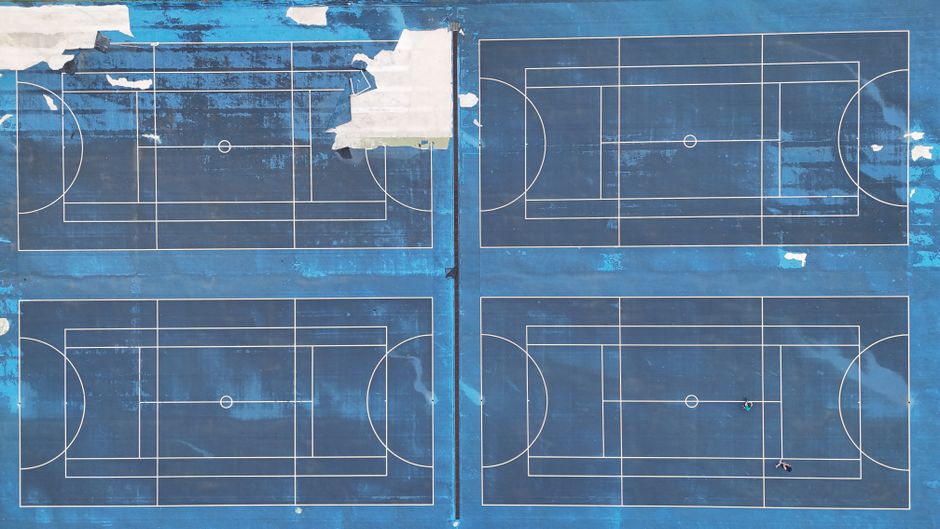
Beyond membership-based gyms, Darwin's infrastructure supporting grassroots sport has expanded considerably. The Marrara Sports Complex, long the backbone of the city's community athletics programme, recently added two new netball courts and upgraded its training grounds. Meanwhile, the Leanyer Recreation Park now hosts regular outdoor fitness bootcamp sessions, capitalising on Darwin's year-round climate for training.
The shift reflects broader Australian trends toward functional fitness and wellness integration into everyday life. Local personal trainers report increased interest in outdoor training, particularly during the cooler dry season months from May through September, with programs at The Esplanade drawing consistent attendance.
Challenges remain, however. Darwin's tropical climate presents unique infrastructure demands—heat management in facilities, salt-air corrosion of equipment, and humidity control all require ongoing investment. Several venues have reported maintenance costs running 15–20% higher than southern Australian equivalents.
Still, stakeholders appear optimistic. With population projections suggesting Darwin will exceed 145,000 residents by 2030, facility operators are planning further expansions. The convergence of improved venues, competitive pricing, and growing community engagement suggests Darwin's fitness culture is maturing—no longer relying solely on council infrastructure, but supported by a dynamic, diverse ecosystem of training spaces serving the city's varied demographics and sporting ambitions.
This article was compiled by AI from the sources linked above and screened before publishing. See our editorial standards.