Darwin's Endurance Sport Infrastructure Is Getting Serious — And Athletes Are Taking Notice
From the Casuarina Coastal Reserve to the velodrome push at Marrara, Darwin is quietly building the bones of a genuine endurance sport hub.
From the Casuarina Coastal Reserve to the velodrome push at Marrara, Darwin is quietly building the bones of a genuine endurance sport hub.
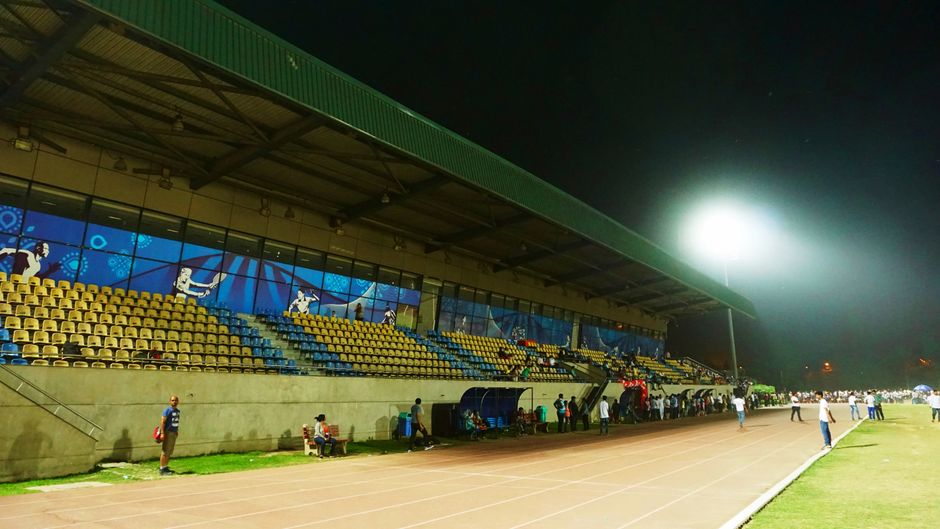
Darwin's running, cycling and triathlon communities have long made do with heat, humidity and infrastructure that was never quite built with them in mind. That is changing. A $2.3 million upgrade to shared-use pathways along the Esplanade and East Point corridor, confirmed by the Northern Territory Government in late June, signals the most significant investment in endurance sport infrastructure this city has seen in a decade.
The timing matters. Across the country, participation in running and triathlon events surged after the pandemic years and has not retreated. Triathlon Australia recorded more than 110,000 race entries nationally in 2025, a figure the organisation says is up roughly 18 percent on 2019 numbers. Darwin, with its dry-season window from May through August offering genuinely world-class conditions, is increasingly attractive to mainland athletes chasing training camps and destination events. But only if the ground beneath their feet is worth the airfare.
The East Point pathway upgrade — running from Fannie Bay through to the East Point Reserve car park — is the headline item. The existing shared path there is cracked, narrow in sections and unlit past the museum precinct, which has kept serious cyclists on the road longer than anyone wanted. The new works will widen the surface to three metres for most of the stretch, install solar lighting at key intersections, and add two dedicated drink-water stations. Construction is scheduled to begin in September, after the wet season preparation window.
Equally significant, though less discussed publicly, is a feasibility study the NT Government commissioned in March into upgrading the Marrara Athletic Complex to include a 250-metre indoor velodrome. The existing outdoor track at Marrara, home to the Darwin Cycling Club, is functional but exposed — riders pack up when the afternoon storms roll in from October onwards. An indoor facility would flip that equation and extend the competitive calendar by months. The feasibility report is due back to the Department of Infrastructure, Planning and Logistics by 31 August.
Darwin Road Runners, the city's largest running club with around 340 financial members, has also been pushing the Darwin City Council for better lighting on the Rapid Creek foreshore path — a popular early-morning route that currently goes dark well before the 5 a.m. crowd arrives during the dry season. The club submitted a formal proposal in April. Council's parks and recreation committee has it on the agenda for July's meeting.
For triathlon specifically, the transition between disciplines has always been Darwin's weak point. The city hosted a Triathlon NT state championship event at Lake Alexander in May, drawing 280 competitors, but the transition zone was crammed onto a narrow grass verge that organisers admit was not ideal. Lake Alexander — the sheltered tidal pool off East Point Road in the Fannie Bay area — is one of the few Darwin swim venues genuinely suited to open-water racing, but the surrounding amenity hasn't kept pace with its popularity.
Triathlon NT has been in discussions with NT Parks and Wildlife about a more permanent transition and marshalling area at Lake Alexander, with a modest $180,000 funding request sitting with the federal government's Community Sport Infrastructure program since February. A decision is expected before the end of the financial year.
For Darwin's everyday cyclist or runner, the practical reality right now is this: the dry season window through July and August remains the best time to train in this city, and the existing network — flawed as it is — covers more ground than most visitors expect. The Casuarina Coastal Reserve trail system alone offers around 14 kilometres of off-road running, and the Stuart Highway service road north of Berrimah provides a long flat corridor popular with time-trial cyclists on Saturday mornings.
The infrastructure that's coming won't transform Darwin overnight. But the East Point works, the Marrara velodrome study and the Lake Alexander push are all moving in the same direction at the same time. For a city that has punched below its weight in endurance sport for years, that convergence is the real story.
Your reaction
Spread the word
About this article
Published by The Daily Darwin
Daily brief
Free, in your inbox before 7am. Weekdays.
The Daily Network — local news across Australia