Darwin's Tech Scene Embraces Hybrid Work as Coworking Boom Transforms CBD
A surge in flexible workspace demand is reshaping the city's startup ecosystem, with new coworking hubs opening across the CBD and Mitchell Street corridor.
A surge in flexible workspace demand is reshaping the city's startup ecosystem, with new coworking hubs opening across the CBD and Mitchell Street corridor.
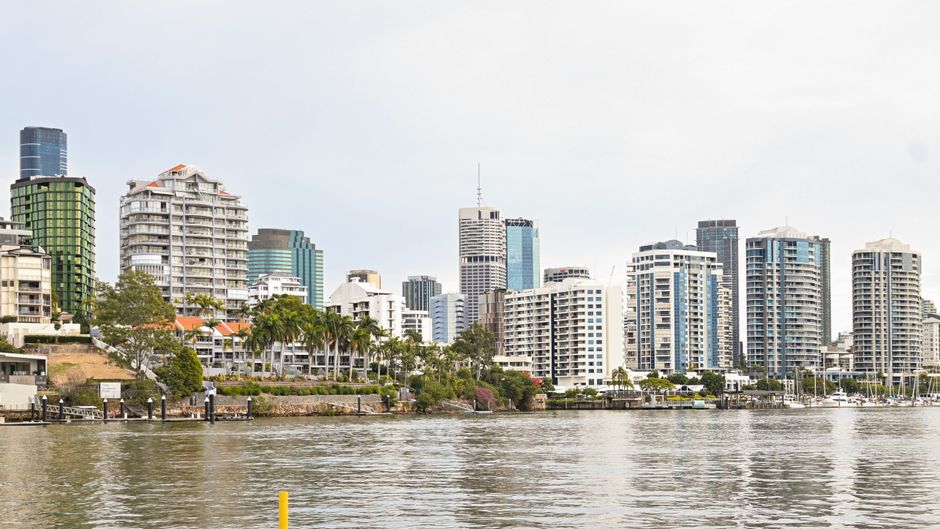
Darwin's tech and startup community is experiencing a significant shift in how and where work happens. The rise of hybrid work models—coupled with an influx of remote workers relocating to the tropical city—has sparked a coworking boom that's reshaping the central business district.
Over the past eighteen months, at least four dedicated coworking spaces have launched or expanded across Darwin's core precincts. Spaces along Mitchell Street and around the Civic area are now offering hot-desking, private offices, and meeting rooms at rates between A$350 and A$600 monthly for shared desks—a significant premium to major Australian capitals, but reflective of Darwin's smaller talent pool and niche market positioning.
"We're seeing founders and remote employees choosing Darwin for lifestyle reasons, but they still need professional infrastructure," says the local startup community, which has grown roughly 12 per cent year-on-year according to recent business registry data. The shift reflects broader post-pandemic patterns: workers seeking lower cost of living, better work-life balance, and escape from congested metropolitan hubs.
The phenomenon is particularly pronounced among software developers, digital designers, and knowledge workers in professional services. Several established tech firms have adopted four-day office weeks or fully remote models, allowing staff flexibility while maintaining collaboration spaces in the CBD.
Local property developers have taken notice. Several heritage buildings near the Darwin Waterfront are being converted into mixed-use workspace complexes, blending coworking with retail and hospitality—a trend designed to activate quieter street frontages and create vibrant work neighbourhoods.
However, challenges persist. Internet infrastructure remains a bottleneck for some outer suburbs, and the coworking sector is still finding its feet in a city accustomed to traditional office arrangements. Occupancy rates at newer spaces vary considerably, ranging from 45 to 80 per cent depending on location and amenities.
The real test lies ahead. As remote work normalises globally and workers reassess permanent relocation, Darwin's coworking ecosystem must prove it can offer more than just cheaper desk space. Successful hubs are increasingly bundling networking events, professional development workshops, and community-building activities—positioning themselves as genuine innovation ecosystems rather than mere furniture rentals.
For Darwin's tech scene, the coworking revolution represents both opportunity and necessity. It's the infrastructure that allows the city's startup community to think bigger, attract talent from elsewhere, and build companies that compete nationally and globally from a city of just 140,000 people.
This article was compiled by AI from the sources linked above and screened before publishing. See our editorial standards.
Your reaction
Spread the word
About this article
Published by The Daily Darwin
Daily brief
Free, in your inbox before 7am. Weekdays.
The Daily Network — local news across Australia