Smart City Darwin: Privacy Risks in $240M Digital Rollout
Darwin's $240M smart city plan promises traffic optimization and AI systems, but privacy experts warn residents about data collection risks and democratic oversight gaps.
Darwin's $240M smart city plan promises traffic optimization and AI systems, but privacy experts warn residents about data collection risks and democratic oversight gaps.
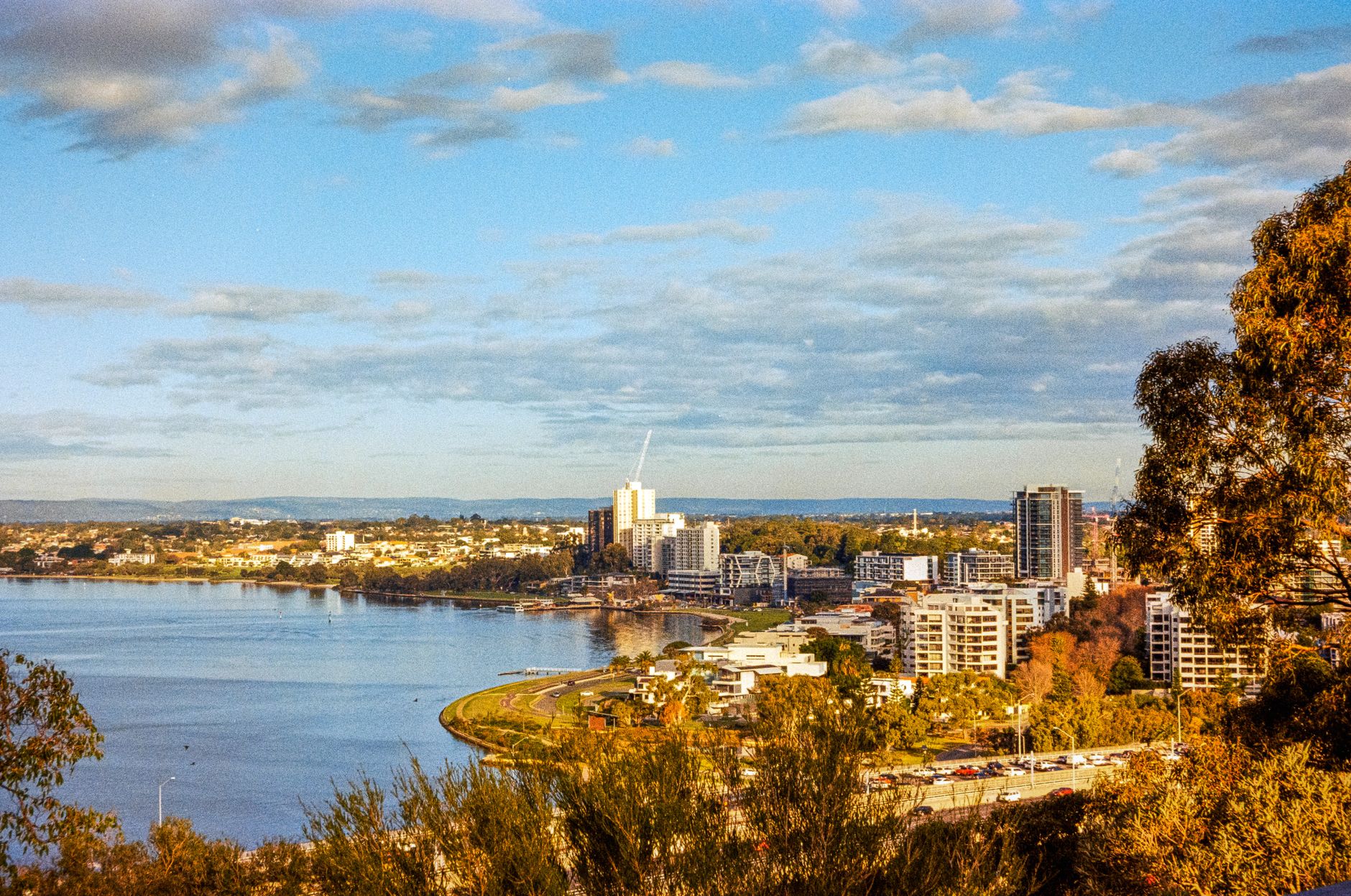
Darwin's transformation into a smart city is accelerating. The $240 million Northern Territory Government digital infrastructure rollout—announced last year—promises to reshape everything from Mitchell Street's traffic flow to water management across the Palmerston suburb cluster. Yet beneath the gleaming vision of connected sensors and predictive analytics lies a uncomfortable question: at what cost to privacy, equity, and democratic oversight?
The smart city agenda is undeniably ambitious. Real-time traffic optimisation on the Stuart Highway corridor, predictive maintenance for Darwin Port's critical infrastructure, and AI-powered emergency response systems all sound compelling. But implementation raises thorny challenges that Darwin's civic leaders have only begun to address seriously.
Data governance remains the elephant in the room. Who owns the intimate behavioural data that smart bins, traffic cameras, and environmental sensors collect from residents moving through the CBD, Fannie Bay, and Mindil Beach precincts? A recent Australian Digital Rights Alliance survey found 67% of Darwinians worry their movement patterns could be tracked without meaningful consent. City Council's current privacy framework, last updated in 2019, predates most current smart systems.
Then there's the equity question. Smart city benefits—reduced congestion, optimised services, improved safety—tend to concentrate in CBD and affluent northern suburbs where sensor density is highest. Outer suburbs like Nganellla and Moulden risk becoming digital deserts, widening the infrastructure divide between haves and have-nots.
Algorithm bias presents another minefield. If predictive policing systems trained on historical crime data are deployed across Darwin, they risk crystallising existing prejudices against Indigenous communities and disadvantaged neighbourhoods. Early trials in other Australian cities have shown exactly this problem.
Cybersecurity vulnerabilities are equally concerning. Darwin's geographic isolation and smaller tech workforce means fewer local security specialists. A major breach of interconnected smart city systems could cripple essential services far more catastrophically than isolated incidents.
The Northern Territory Government's commitment to smart city development is sound in principle. But Darwin's residents deserve more than promises. Meaningful community consultation—not mere information sessions—must precede large-scale sensor deployment. Independent algorithmic auditing, transparent data retention policies, and genuine accountability mechanisms aren't optional extras; they're prerequisites for legitimacy.
Smart cities work best when they're built with citizens, not merely for them. Darwin has the opportunity to pioneer genuinely ethical smart infrastructure. It would be a shame to rush past that chance.
This article was compiled by AI from the sources linked above and screened before publishing. See our editorial standards.
Your reaction
Spread the word
About this article
Published by The Daily Darwin
Daily brief
Free, in your inbox before 7am. Weekdays.
The Daily Network — local news across Australia