Darwin's Clean Energy Pipeline: What's Coming Next in Green Tech
From advanced battery storage to next-gen desalination, the city's innovation hubs are racing to deploy the technologies that will define sustainable living by 2030.
From advanced battery storage to next-gen desalination, the city's innovation hubs are racing to deploy the technologies that will define sustainable living by 2030.
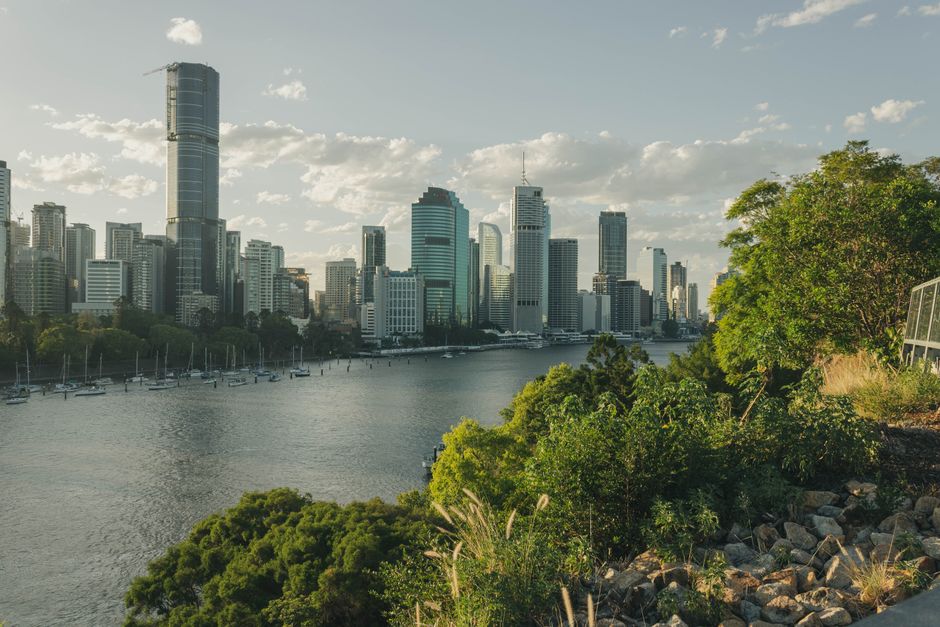
Darwin's tech corridors are humming with activity as developers race to commercialise the next generation of clean energy solutions. With the city positioned as Australia's gateway to Asia-Pacific markets, local innovators are translating lab breakthroughs into products hitting shelves within the next 24 months.
The Mitchell precinct has emerged as ground zero for this transition. Several ventures operating from co-working spaces along Mitchell Street are finalising solid-state battery prototypes designed specifically for tropical climates—a critical gap in the current market. These units, expected to retail between AUD$8,500 and $12,000 per installation, promise 40% better energy density than lithium-ion alternatives while handling Darwin's notorious humidity. Beta testing on residential rooftops across Larrakeyah begins in Q4 2026.
Meanwhile, the Darwin Innovation Hub near Bicentennial Park is backing three separate desalination technologies aimed at addressing regional water stress. One project—a reverse-osmosis system using graphene membranes—targets 60% lower energy consumption than current models. Local council data suggests water stress will intensify across the Top End within five years, making these developments commercially viable far beyond the Northern Territory.
The solar infrastructure story continues accelerating. Distributed manufacturing capacity for perovskite solar cells is coming online at the Palmerston industrial estate, with first units slated for market by mid-2027. These flexible, lightweight panels work efficiently in diffuse light conditions—ideal for Darwin's monsoon season—and cost roughly 25% less than conventional silicon panels.
Hydrogen technology isn't being overlooked either. A Port Darwin-adjacent research consortium is finalising designs for green hydrogen production units scaled for small-to-medium enterprises. The first commercial units will target aquaculture facilities and agricultural operations across the Northern Territory, with pricing expected around AUD$450,000 per installation.
What distinguishes Darwin's clean tech roadmap is its explicit focus on tropical and remote applications. While southern states lead in aggregate innovation volume, local developers are solving problems specific to high-humidity, dispersed-population environments. This positioning matters: Southeast Asian markets face identical challenges, and Darwin's tech companies are increasingly marketing directly to Indonesia, Philippines, and Vietnam.
Industry analysts suggest the next 18 months will prove decisive. Regulatory approval timelines, component supply chain resilience, and first-mover advantage in regional markets will separate genuine breakthroughs from well-funded dead ends. For Darwin's growing clean tech sector, the roadmap isn't theoretical—it's being built today.
This article was compiled by AI from the sources linked above and screened before publishing. See our editorial standards.
Your reaction
Spread the word
About this article
Published by The Daily Darwin
Daily brief
Free, in your inbox before 7am. Weekdays.
The Daily Network — local news across Australia