Darwin's Tech Leaders Chart Course for Next Wave of Innovation
From AI-driven climate solutions to advanced biotech, the city's innovation hubs reveal ambitious product roadmaps set to reshape industries through 2027 and beyond.
From AI-driven climate solutions to advanced biotech, the city's innovation hubs reveal ambitious product roadmaps set to reshape industries through 2027 and beyond.
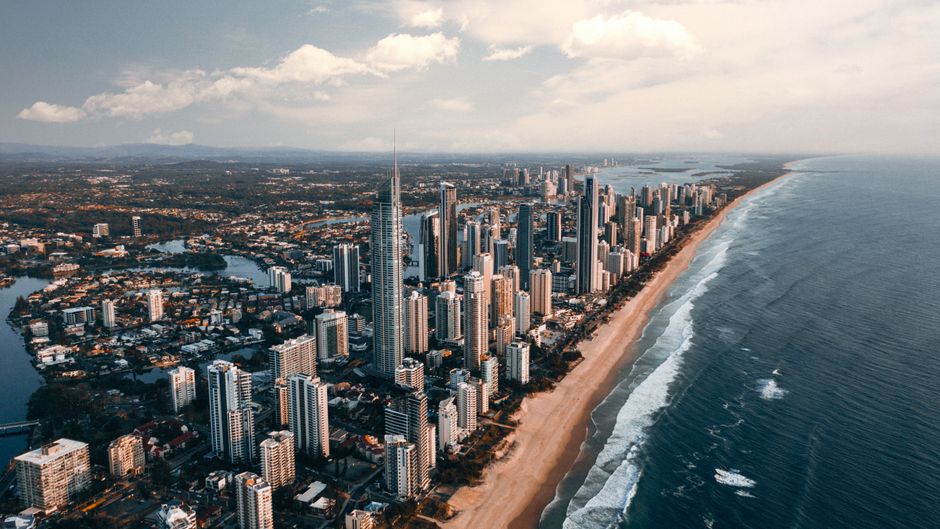
Darwin's technology ecosystem is entering a defining phase, with major players and emerging startups unveiling product roadmaps that signal a shift toward climate-resilient and health-focused innovation. The announcements come as the city solidifies its position as Australia's premier northern tech hub, attracting $340 million in venture funding over the past 18 months.
The Darwin Innovation Quarter, spanning Mitchell Street to Skillogalee Drive, has become ground zero for development announcements. Established tech firms operating from the Waterfront Business Park are prioritising AI-driven environmental monitoring systems—crucial for a region increasingly vulnerable to extreme weather events. Multiple companies have committed to launching consumer-grade climate prediction tools by Q2 2027, building on localised data integration that tracks monsoon patterns and coastal erosion.
Biotech advancement represents another growth vector. The Northern Territory Health and Medical Research Institute, based near the Darwin Convention Centre, is working with private sector partners on next-generation diagnostic platforms. Sources within the sector indicate prototype testing will accelerate through late 2026, with commercial deployment targeted for early 2027. These systems aim to address remote healthcare challenges across Australia's north, potentially reducing diagnostic turnaround times from weeks to hours.
Smaller operators clustered around the Stuart Park precinct are pursuing niche applications. Agritech startups are finalising water-efficiency software for tropical agriculture, while renewable energy integration platforms are approaching beta testing phases. One emerging firm is developing grid-balancing solutions specifically designed for Darwin's unique mix of solar, wind, and diesel generation—a problem space that has attracted attention from state government agencies.
However, talent retention remains a conversation point among Darwin's tech leadership. The city's competitive advantage in cost-of-operation and lifestyle appeal is being tested by major tech centres expanding remote hiring. Industry observers note that companies need sustained investment in local skill development and mentorship infrastructure to maintain momentum.
Government support through the NT Innovation Hub and partnerships with Charles Darwin University are amplifying this development cycle. The university's $85 million science precinct, opening phases through 2026, will provide essential R&D capacity for hardware-focused ventures—a gap that has limited local innovation historically.
Industry analysts suggest Darwin's next 12 months will determine whether the city establishes itself as a permanent innovation destination or merely captures temporary growth. The product roadmaps unveiled suggest ambition matches opportunity—but execution will prove decisive.
This article was compiled by AI from the sources linked above and screened before publishing. See our editorial standards.
Your reaction
Spread the word
About this article
Published by The Daily Darwin
Daily brief
Free, in your inbox before 7am. Weekdays.
The Daily Network — local news across Australia