Darwin's Tech Workforce Is Ditching the Office—And Coworking Spaces Are Racing to Adapt
As remote work solidifies its grip on the Northern Territory's startup ecosystem, a new generation of hybrid workspaces is emerging to capture the shift.
As remote work solidifies its grip on the Northern Territory's startup ecosystem, a new generation of hybrid workspaces is emerging to capture the shift.
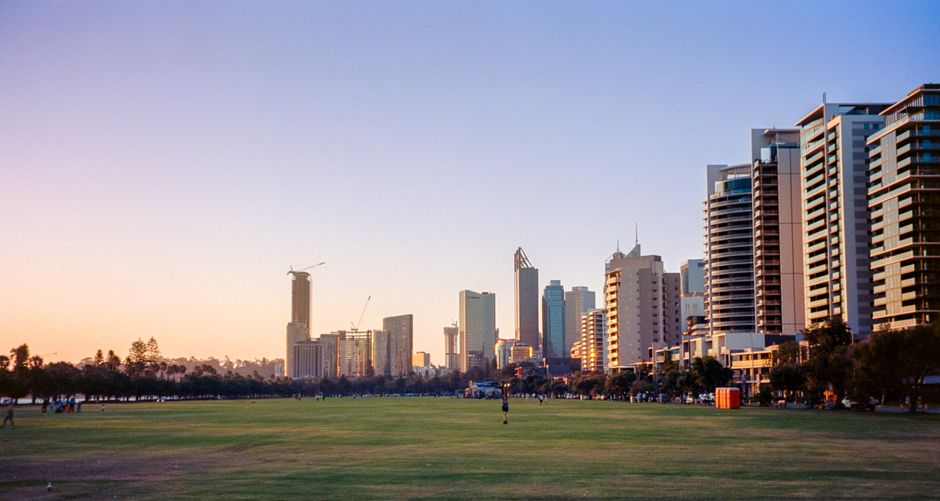
Darwin's tech and startup community is experiencing a fundamental reset in how and where work gets done. The pivot away from traditional office leases has accelerated sharply over the past 18 months, with founders and established tech firms increasingly embracing flexible arrangements that prioritise lifestyle alongside productivity—a particularly appealing proposition in a city where the ability to work near beaches and parks has become a recruiting advantage.
The numbers tell the story. Vacancy rates in conventional office space across the Mitchell Street and Cullen Bay precincts have climbed to 16 percent, up from 8 percent in early 2024, according to local commercial real estate data. Meanwhile, coworking operators report sustained demand. The Hive, located on Knuckey Street in the CBD, has expanded from 120 to 180 dedicated desks in the past year, while newer entrants like Catalyst Spaces in nearby Fannie Bay have positioned themselves as lifestyle-first hubs, bundling wellness facilities and social programming alongside traditional desk access.
Several factors are driving this transformation. First, the maturation of Darwin's startup ecosystem—now home to over 340 registered tech ventures, up from roughly 180 in 2022—has created a critical mass of younger companies that can't justify long-term commercial leases. Second, the post-pandemic normalisation of distributed teams means founders no longer need to anchor themselves to a single location. Third, the city's ability to attract remote workers from southern states has introduced new talent while reducing the pressure on physical infrastructure.
What's particularly striking is the emergence of sector-specific coworking clusters. The Defence and Space Hub, a joint venture between government and private operators, has carved out purpose-built collaborative space near the Palmerston tech corridor, targeting companies working on autonomous systems and satellite applications. Similarly, biotech and marine science startups are increasingly clustering around facilities near James Cook University's innovation precinct on Casuarina Drive.
However, operators and founders acknowledge genuine challenges. Internet reliability remains inconsistent for remote workers in outer suburbs like Fannie Bay and Nightcliff. And while coworking memberships have become more affordable—dropping to around $350–450 per month for dedicated hot desking, down from $600 in 2023—many early-stage founders still struggle with commitment costs.
The consensus among Darwin's tech leadership is clear: the future of work here won't be defined by a single model. Instead, hybrid arrangements that blend occasional coworking, home offices, and collaborative sessions appear to be the emerging norm. For a city historically defined by geographic isolation, that flexibility may finally be the competitive advantage the local tech scene has needed.
This article was compiled by AI from the sources linked above and screened before publishing. See our editorial standards.
Your reaction
Spread the word
About this article
Published by The Daily Darwin
Daily brief
Free, in your inbox before 7am. Weekdays.
The Daily Network — local news across Australia