Darwin's Smart City Promise Meets Hard Questions: Who Controls Our Data?
As the Northern Territory capital races to modernise infrastructure with AI and sensors, residents and experts warn that efficiency gains risk outpacing accountability.
As the Northern Territory capital races to modernise infrastructure with AI and sensors, residents and experts warn that efficiency gains risk outpacing accountability.
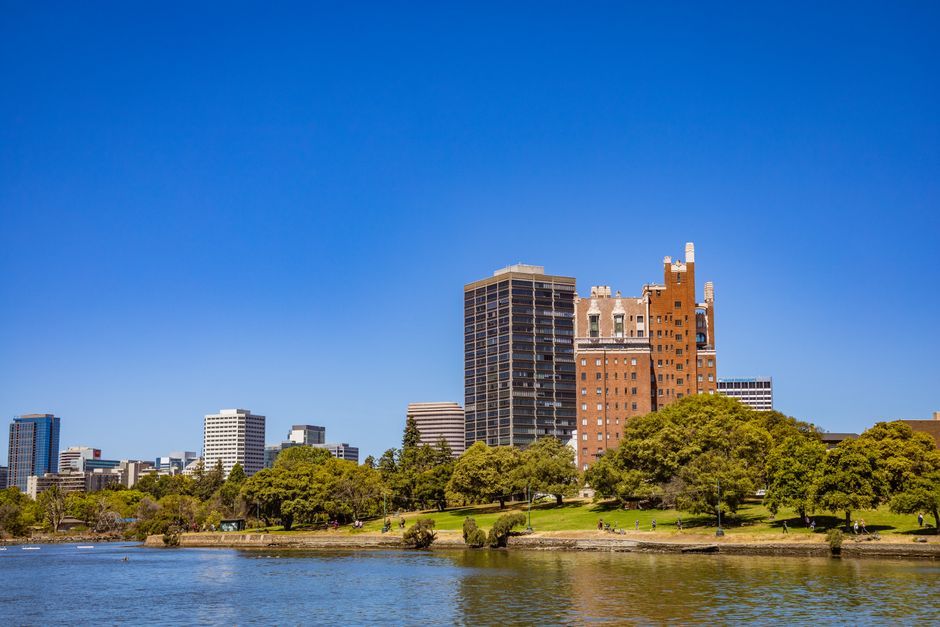
Darwin's gleaming digital transformation—from smart traffic lights on Mitchell Street to predictive maintenance systems across the Port Authority—promises a more liveable, efficient city. Yet beneath the innovation narrative lies a tangle of ethical questions that local leaders are only beginning to grapple with.
The city's $340 million smart infrastructure rollout, due for completion by 2028, will blanket downtown precincts including Larrakeyah, Parap, and the CBD with interconnected sensors monitoring everything from pedestrian flow to air quality. Transport officials claim the system will reduce congestion by up to 18 percent. But privacy advocates worry about the surveillance architecture being quietly embedded into daily life.
"We're installing thousands of cameras and IoT devices without clear public consent frameworks," warns a spokesperson from the Australian Digital Rights Coalition, which has raised concerns about Darwin's approach. "Data governance in Australian city tech remains fragmented. Who owns this information? How long is it retained? These questions aren't being answered before installation begins."
The risks extend beyond privacy. Algorithmic bias in predictive policing systems—already documented in other jurisdictions—could disproportionately affect Darwin's Indigenous population, which comprises roughly 12 percent of the greater area. Meanwhile, cybersecurity vulnerabilities in interconnected systems represent a genuine threat; a 2025 report flagged Australian city infrastructure as increasingly attractive to state-sponsored actors.
Commercial interests add another layer of complexity. Tech vendors implementing Darwin's systems stand to profit enormously from locked-in contracts and data licensing arrangements. The Northern Territory Government has been reluctant to detail commercial terms, citing competitive sensitivity.
Yet dismissing smart city ambitions entirely ignores genuine benefits. Emergency response times have improved measurably where systems are deployed. The Mindil Beach foreshore project, incorporating smart waste management and real-time environmental monitoring, has become a model for tropical city adaptation.
The challenge for Darwin isn't choosing between progress and caution—it's building the governance structures to ensure both. This means independent oversight boards, transparent vendor contracts, community impact assessments, and ironclad data protection policies *before* deployment accelerates further.
Cities like Copenhagen and Barcelona have demonstrated that smart infrastructure and democratic accountability aren't mutually exclusive. Darwin has an opportunity to learn from their experiences rather than repeating international mistakes. The question is whether political will exists to slow down long enough to get it right.
This article was compiled by AI from the sources linked above and screened before publishing. See our editorial standards.
Your reaction
Spread the word
About this article
Published by The Daily Darwin
Daily brief
Free, in your inbox before 7am. Weekdays.
The Daily Network — local news across Australia