Darwin's Clean Energy Pipeline: What's Coming Next on the Green Tech Roadmap
From next-generation battery storage to hydrogen hubs, Darwin's tech leaders are betting big on sustainability projects that could reshape the city's energy future.
From next-generation battery storage to hydrogen hubs, Darwin's tech leaders are betting big on sustainability projects that could reshape the city's energy future.
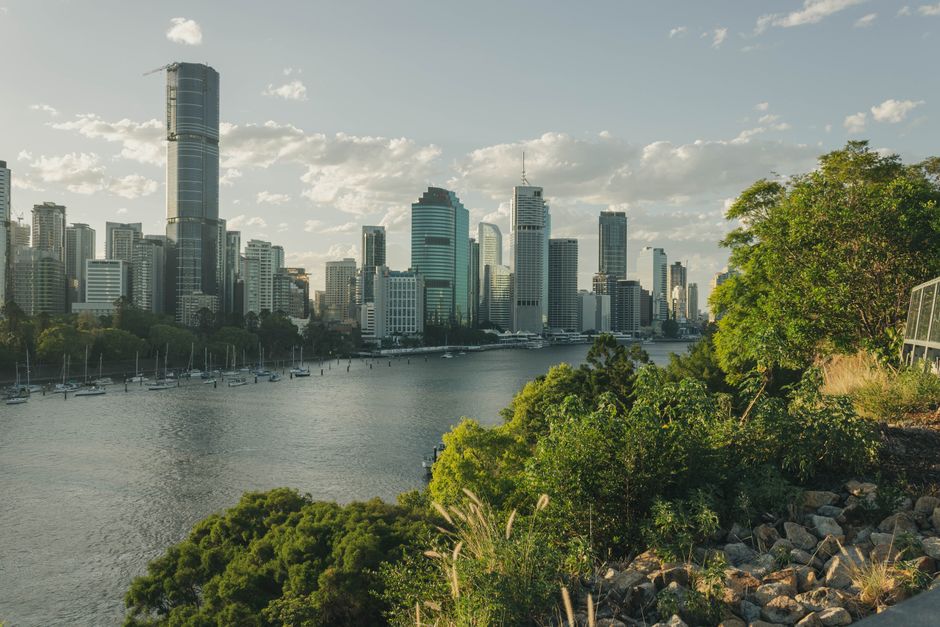
Darwin's reputation as a tech innovation hub is about to get greener. Over the next three years, the city is poised to become a testbed for some of Australia's most ambitious clean energy developments, with projects already in advanced planning stages across the Waterfront precinct, Mitchell and Larrakeyah.
The most significant initiative involves a $340 million hydrogen production facility planned for the Port Darwin area, expected to begin pilot operations by late 2027. Local energy analysts suggest this could position Darwin as a regional exporter of green hydrogen to Asian markets within five years. The project aligns with Northern Territory government targets to generate 50% of electricity from renewables by 2030.
Battery storage technology is another critical frontier. Redpoint Energy, an emerging Darwin-based firm operating from offices in the CBD, has announced plans to deploy modular lithium-ion storage systems across three commercial districts: the Waterfront, Mitchell, and Palmerston. These installations will support grid stabilisation during peak demand periods and are expected to be fully operational by mid-2027.
Meanwhile, the Darwin Renewable Energy Consortium—a coalition of local tech firms and research institutions—is developing advanced solar panel coatings designed to improve efficiency in tropical climates. Preliminary testing in Darwin's intense summer conditions has yielded promising results, with prototype panels showing 23% efficiency gains over current commercial standards. Manufacturing trials are scheduled for 2027.
On the consumer front, several innovations are moving closer to market. Electric vehicle charging infrastructure is expanding rapidly, with plans to install 150 new fast-charging stations across residential and commercial precincts by 2028. Current pricing sits around $850 per installation, with government subsidies covering 40% of costs for Darwin households.
Water sustainability is equally crucial in Darwin's tropical environment. A consortium of local tech startups is developing AI-powered irrigation systems that use satellite imagery and soil sensors to optimise water use in agriculture and urban landscaping. Beta testing is underway at several Palmerston farms, with commercial rollout expected in late 2027.
The convergence of these projects reflects a broader shift in Darwin's tech sector. Rather than importing clean energy solutions, the city is becoming an incubator for homegrown innovations tailored to tropical conditions and regional markets. Industry observers note that Darwin's combination of research talent, government support, and natural advantages—abundant solar and wind resources—positions it uniquely to lead Australia's next wave of sustainability breakthroughs.
This article was compiled by AI from the sources linked above and screened before publishing. See our editorial standards.
Your reaction
Spread the word
About this article
Published by The Daily Darwin
Daily brief
Free, in your inbox before 7am. Weekdays.
The Daily Network — local news across Australia