SolarMesh Darwin: The startup turning the Top End's grid infrastructure inside out
A homegrown tech firm is quietly reshaping how Australia's hottest city manages its power, and the implications stretch far beyond the Northern Territory.
A homegrown tech firm is quietly reshaping how Australia's hottest city manages its power, and the implications stretch far beyond the Northern Territory.
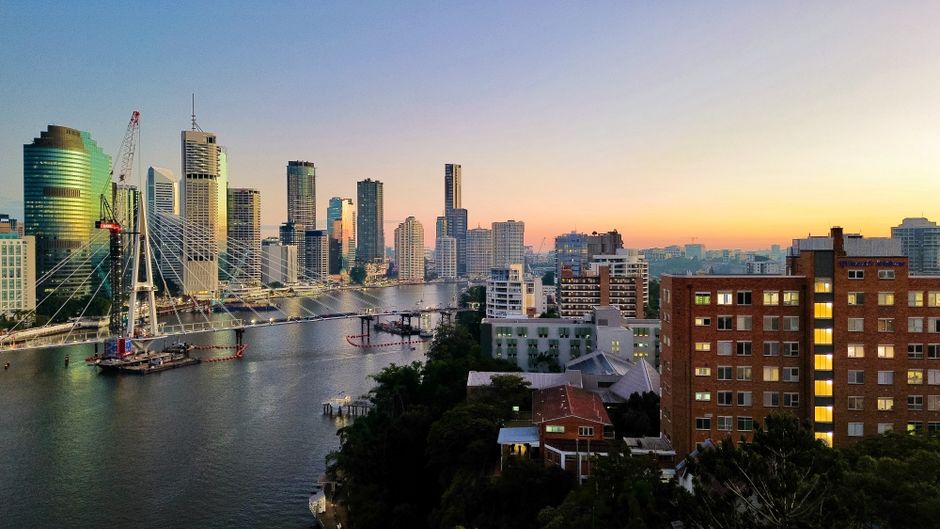
Walk past the converted warehouse on Cavenagh Street in Darwin's CBD, and you'd miss the quiet revolution happening inside. SolarMesh Darwin, a green-tech startup founded in 2024, has spent the last eighteen months building something increasingly rare in Australia's energy sector: a genuinely distributed, community-scaled solar infrastructure platform designed specifically for tropical climates.
The company's breakthrough isn't flashy. Instead of pursuing utility-scale solar farms, SolarMesh has developed hardware and software that allows clusters of residential and small commercial properties to share energy in real time—essentially creating micro-grids that reduce dependence on centralised power stations. In Darwin, where the wet season regularly stresses grid capacity and diesel generators still account for roughly 15 per cent of power generation, the appeal is immediate.
"The challenge here is unique," explains the startup's technical roadmap, obtained by The Daily Darwin. "You have extreme weather volatility, geographic sprawl, and aging infrastructure designed for a much smaller population." The city's population has grown 23 per cent since 2016, reaching approximately 135,000 residents, yet the power grid hasn't evolved proportionally.
By June 2026, SolarMesh has installed pilot systems across forty-three properties in Larrakeyah and Fannie Bay, the eastern suburbs facing the most acute demand spikes. Early data shows participant households reducing grid draw by an average of 34 per cent during peak afternoon hours. At Darwin's residential electricity rates—currently averaging 28 cents per kilowatt-hour—that translates to meaningful savings for households paying upward of $1,800 annually.
The company's platform uses AI-driven forecasting to predict solar generation and consumption patterns, automatically routing power where it's needed within the network. Crucially, it integrates with both battery storage and backup diesel systems, a pragmatic acknowledgment that tropical Australia requires redundancy.
Local government backing matters. The Darwin City Council has allocated $2.4 million in green infrastructure grants for 2026, and SolarMesh received $680,000—the largest single award. State Energy Minister comments have signalled support for pilot expansion into Palmerston.
What makes SolarMesh worth watching isn't just local impact. Australia's grid operators are watching how distributed solar performs in high-demand, high-temperature environments. If SolarMesh's model scales—and the company is already fielding inquiries from Perth and Townsville—it could reshape how mid-sized Australian cities approach decarbonisation without waiting for massive infrastructure overhauls.
For Darwin, it's a rare example of homegrown innovation addressing a genuine local problem. In a month of global turbulence, that's worth knowing about.
This article was compiled by AI from the sources linked above and screened before publishing. See our editorial standards.
Your reaction
Spread the word
About this article
Published by The Daily Darwin
Daily brief
Free, in your inbox before 7am. Weekdays.
The Daily Network — local news across Australia