What’s Next for Darwin: The Roadmap of Tech and City Developments
Major digital infrastructure upgrades and local tech rollouts set to reshape Darwin’s future, from East Point’s innovation corridor to smart transit projects in the CBD.
Major digital infrastructure upgrades and local tech rollouts set to reshape Darwin’s future, from East Point’s innovation corridor to smart transit projects in the CBD.
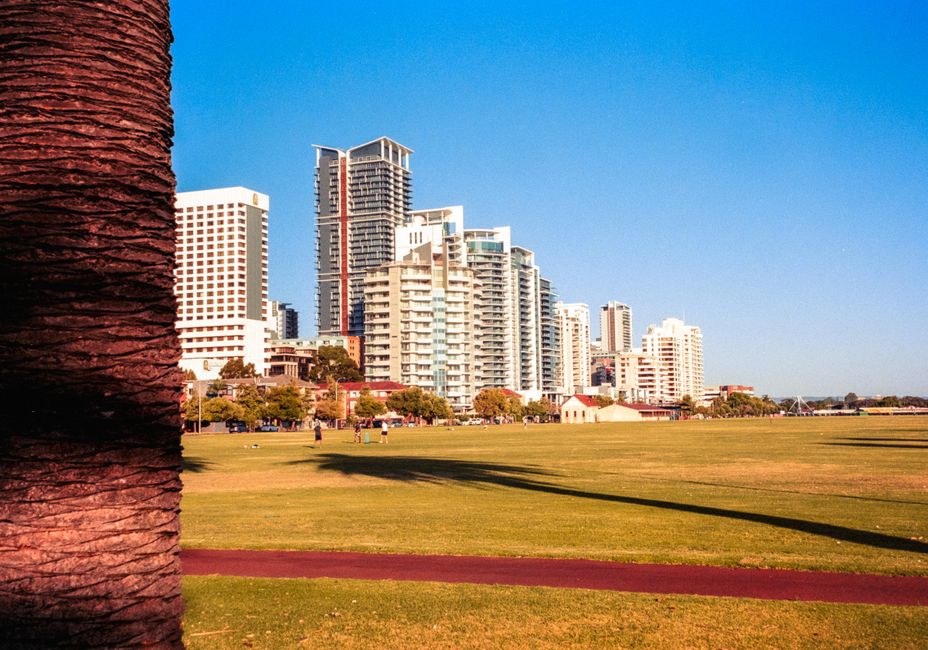
Darwin’s economic development office has published its public tech roadmap, confirming that the city will see a wave of digital initiatives and physical upgrades rolling out before the end of 2026. Among the headline projects: a new AI-powered mobility pilot across the CBD, expanded gigabit fibre to Rapid Creek, and the opening of a flagship climate-tech accelerator next to Charles Darwin University by February.
These announcements come at a moment when global tech competition is overtaking familiar platforms. As the world shifts from traditional search engines and browsers to AI assistants, Darwin is positioning itself as an early adopter in this fierce new digital race. City officials say the recent decline in browser-based work is changing how local startups and established companies future-proof their business models. There’s pressure, too, as Darwin approaches the mid-point of its 2030 smart city targets set at Parliament House in 2021.
The new roadmap sets out plans for a two-kilometre 'innovation spine' running from Smith Street in the CBD through to the Esplanade. This corridor will host the Northern Territory’s first network of battery-backed, public AI kiosks—housed in repurposed bus shelters—and serve as a live testing ground for transport innovations from regional partners like NT Startups and the Smart Darwin Alliance. In Stuart Park, the newly-renovated Data Exchange hub on Westralia Street is expected to anchor data-driven projects, attracting talent and investment from across the Asia-Pacific.
The city’s fibre expansion is on track to add over 1,200 households to the gigabit network in Nightcliff and Rapid Creek, with NBN Co citing a completion date of December and average monthly household costs of $99. Meanwhile, the AI-powered Mobility-as-a-Service pilot, set to launch near Knuckey Street in November, will cover six bus routes and on-demand shuttle services. That includes integration with the existing Tap & Go system, which tallied over 220,000 rides last financial year, according to NT Transport figures.
On the startup front, the new climate-tech accelerator—funded by a $4 million partnership between CDU and the Territory Economic Growth Fund—aims to enrol its first cohort in February. Organisers are targeting 15 early-stage ventures with a focus on northern Australian solutions for energy, agriculture, and biodiversity challenges. "Startups working on cyclone resilience and coral monitoring tech are already in the pipeline," one program official confirmed off record.
For Darwin residents, the next six months are likely to mean faster home internet in Rapid Creek and Nightcliff, more options for contactless public transport trips across the CBD and waterfront, and increased visible activity around innovation hubs from the Esplanade to the CDU campus. City officials are urging residents in rollout suburbs to check their eligibility for early fibre connection upgrades via the city’s new digital portal, set to go live on August 1. Businesses interested in the climate-tech accelerator can pre-register for info sessions, scheduled at the Darwin Innovation Hub on McMinn Street later this month.
Though some projects are still in the pilot stage, the focus on tangible digital and startup infrastructure is setting a clear direction. For a city balancing tech ambitions with unique local needs, 2026 is shaping up to be a pivotal year.
Your reaction
Spread the word
About this article
Published by The Daily Darwin
Daily brief
Free, in your inbox before 7am. Weekdays.
The Daily Network — local news across Australia