Screen time and sleep: what the research actually shows
As Darwin's outdoor lifestyle culture clashes with digital habits, science reveals which midnight scrolling myths hold water—and which don't.
As Darwin's outdoor lifestyle culture clashes with digital habits, science reveals which midnight scrolling myths hold water—and which don't.
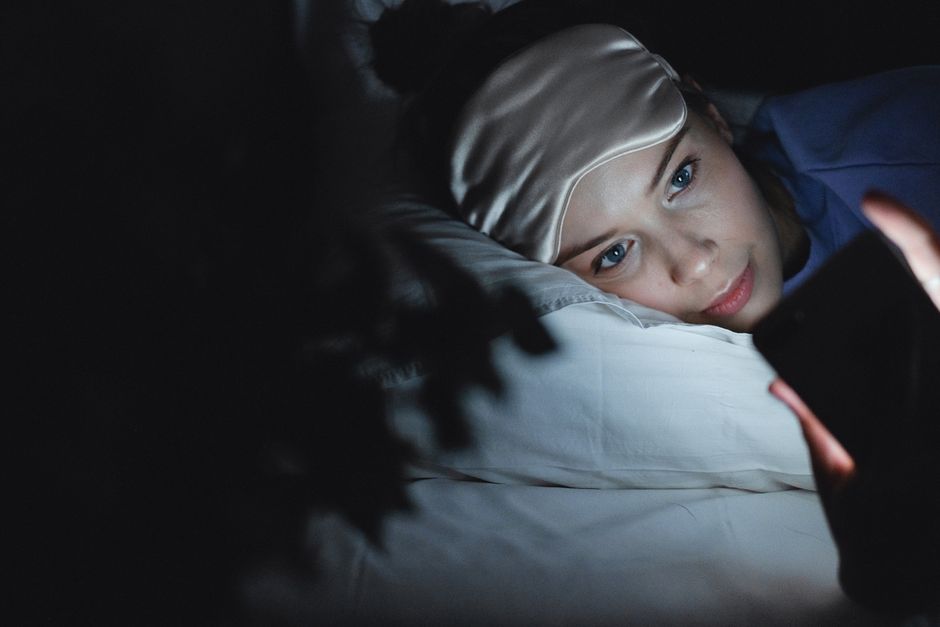
Darwin runners jogging along the Esplanade at dawn, families gathering at Mindil Beach markets at sunset—our tropical lifestyle naturally aligns with strong circadian rhythms. Yet sleep complaints have risen steadily across the Territory, with many locals blaming late-night phone and laptop use. A closer look at recent research reveals a more nuanced picture than the simple "screens bad, sleep gone" narrative.
The culprit isn't screen time itself, but *when* and *how* we use devices. A 2025 meta-analysis in the Journal of Sleep Research found that blue light exposure—long demonised as the primary sleep disruptor—has a measurable but modest effect on melatonin suppression. The real issue: scrolling stimulates the brain cognitively and emotionally. Checking work emails or doomscrolling news at 10 PM keeps your nervous system in alert mode, regardless of screen brightness.
The good news: simply using your phone doesn't doom your sleep. Researchers at the University of Melbourne tracked 400 participants and found that passive consumption—listening to podcasts, reading ebooks—caused far less sleep disruption than interactive use like gaming or social media engagement. The Temple Health Sleep Institute suggests a practical threshold: stop stimulating screen activity 30 to 60 minutes before bed, not midnight.
For Darwin's outdoor-oriented community, this aligns naturally. The Mindil Beach sunset market runs until 10 PM most Thursday and Sunday evenings; swapping screens for a stroll through the markets and fresh food vendors offers both light exposure *and* physical activity—both proven sleep enhancers. Similarly, Darwin Runners Club's early-morning sessions on the Waterfront utilise natural daylight to reinforce healthy sleep-wake cycles.
Local GP clinics across the city report increasing sleep-related consultations, particularly during Darwin's dry season (May–October) when evening temperatures drop and outdoor social time peaks. TEHS health services recommend establishing a wind-down routine that includes a screen-free buffer zone—not necessarily a complete digital blackout.
The research consensus: timing matters far more than type. A work call at 9:30 PM damages sleep more than a 45-minute Netflix episode finished by 8 PM. Australians now average 6.5 hours sleep nightly (down from 8 hours in 2010), yet causation is complex. Work stress, heat-induced wakefulness, and irregular schedules often coexist with screen habits.
Rather than demonising technology, sleep experts now recommend *intentional* use: schedule screens around your natural rhythms, prioritise non-stimulating content in evening hours, and leverage Darwin's year-round outdoor culture. The research shows that sleep isn't derailed by screens themselves—it's derailed by how, and when, we choose to use them.
For personalised sleep concerns, consult a local healthcare provider or contact TEHS sleep medicine services.
This article was compiled by AI from the sources linked above and screened before publishing. See our editorial standards.
Your reaction
Spread the word
About this article
Published by The Daily Darwin
Daily brief
Free, in your inbox before 7am. Weekdays.
The Daily Network — local news across Australia