Walking Meditation: How to Turn Your Daily Walk Into Mindfulness
Transform your commute or evening stroll through Darwin's neighbourhoods into a powerful mindfulness practice—no sitting required.
Transform your commute or evening stroll through Darwin's neighbourhoods into a powerful mindfulness practice—no sitting required.
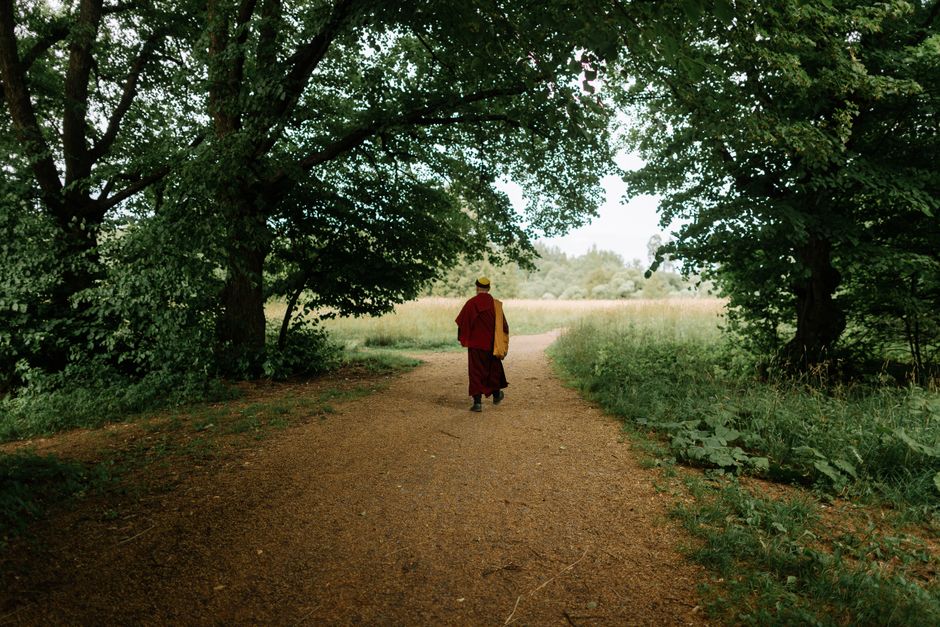
Darwin's year-round warm climate and accessible outdoor spaces make it an ideal setting for walking meditation, yet many locals treat their daily strolls as mere transit from point A to point B. What if your walk to the Mindil Beach sunset market, your jog with Darwin Runners Club, or your commute through the CBD could become a structured mindfulness practice?
Walking meditation differs from traditional seated practice in one fundamental way: it harnesses movement itself as the anchor for attention. Rather than focusing on breath alone, you're engaging your entire sensory experience—the rhythm of footsteps, the texture of pavement beneath your shoes, the quality of light filtering through Darwin's eucalyptus canopies.
Start simple. Choose a familiar route—perhaps a lap around the Darwin Waterfront, a walk through Palmerston, or streets near the TEHS health precinct. Begin at a natural pace, roughly one step per breath. Notice the sensation of your foot connecting with the ground, the swing of your arms, the air temperature on your skin. When your mind wanders (it will), gently return attention to the physical sensations of walking.
The beauty of this practice lies in its accessibility. You're not adding time to your day; you're recalibrating how you spend time already allocated to movement. A 20-minute walk becomes a 20-minute meditation. Research from mindfulness institutions suggests regular walking meditation reduces anxiety and improves emotional regulation—particularly valuable in Darwin's high-temperature environment, where outdoor activity demands presence.
For structured support, organisations like Darwin Runners Club occasionally incorporate mindfulness principles into their activities, though informal solo practice remains most effective. Many locals find success pairing walking meditation with existing routines: morning walks before work heat sets in, or sunset routes that naturally synchronise with Mindil's evening rhythm.
The practice works equally well in urban environments (Mitchell Street's quieter morning hours) and nature settings (Fannie Bay foreshore). Some practitioners use landmarks as meditation anchors—perhaps you focus on breathing until reaching the next tree, then shift awareness to sounds.
Consistency matters more than duration. Three 15-minute walks weekly will generate more noticeable shifts in awareness than sporadic longer sessions. Over weeks, you'll likely notice subtle changes: greater appreciation for Darwin's landscape, improved mood stability, and a deeper sense of presence in daily life.
Walking meditation requires no special equipment, membership fees, or ideal conditions—just willingness to slow down and pay attention. In a city built for outdoor living, it's perhaps the most natural wellness practice available.
This article was compiled by AI and screened before publishing. See our editorial standards.
Your reaction
Spread the word
About this article
Published by The Daily Darwin
Daily brief
Free, in your inbox before 7am. Weekdays.
The Daily Network — local news across Australia