Beyond the Barbie: A Local Guide to Protein Sources Beyond Meat in Darwin
From Mindil Beach's fresh seafood to plant-based powerhouses, Darwin's food scene offers surprising alternatives for protein-conscious eaters.
From Mindil Beach's fresh seafood to plant-based powerhouses, Darwin's food scene offers surprising alternatives for protein-conscious eaters.
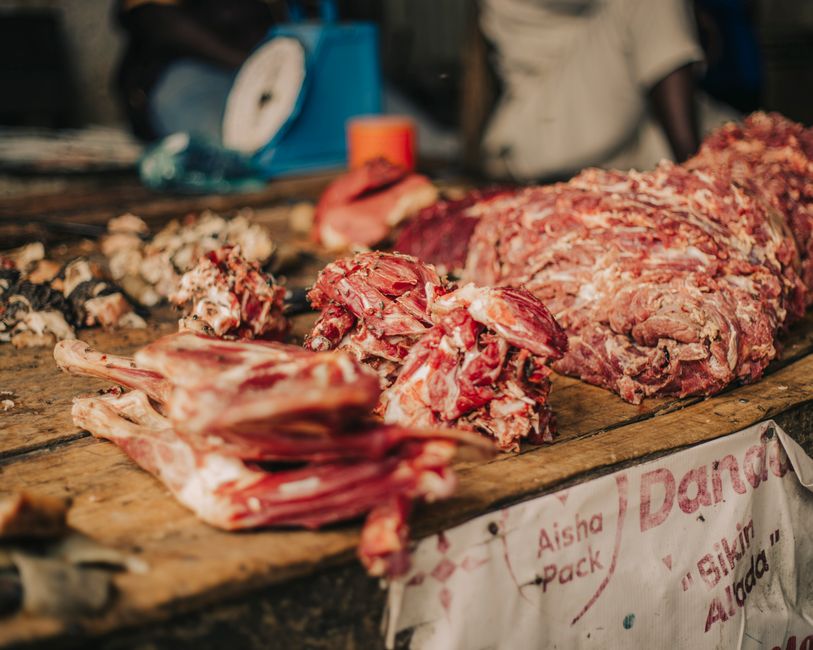
In a city where outdoor living dominates and the Darwin Runners Club counts hundreds of active members, nutrition naturally becomes a conversation starter. Yet protein sourcing in the Top End often defaults to one default: meat from local butchers and supermarkets across Casuarina and Palmerston. The reality is richer—and more diverse—than that.
Darwin's tropical location makes seafood an obvious winner. Barramundi, mud crab, and prawns from local waters pack substantial protein while aligning with the region's 365-day outdoor lifestyle. The Mindil Beach Sunset Market (operating Wednesday and Sunday evenings year-round) showcases fresh local catches; expect to pay $18–24 per kilogram for barramundi fillets. Fish is also available year-round at independent fishmongers along Mitchell Street and at Coles and Woolworths across the city, though seasonal variation affects pricing and availability during the wet season.
Eggs deserve mention as Darwin's underrated protein staple. Local producers supply farmers' markets regularly, and at roughly $6–8 per dozen, they're affordable and versatile. Two eggs deliver approximately 12 grams of protein—perfect for pre-run breakfasts before a Darwin Runners Club session.
Plant-based proteins, historically trickier to source in Darwin, are improving. Lentils, chickpeas, and canned beans are now stocked reliably at major supermarkets in Nightcliff and Stuart Park. Tofu and tempeh availability has expanded noticeably in the past two years, particularly at Asian grocers along Cavenagh Street. A kilogram of dried lentils costs roughly $8 and yields multiple meals; nutritionally, they contain around 25 grams of protein per 100 grams when cooked.
Nuts and seeds—macadamias, peanuts, and locally-grown coconut—round out the picture. Darwin's warm climate supports year-round availability of these nutrient-dense options, though prices reflect tropical import dynamics. A 500-gram jar of natural peanut butter sits at approximately $7–10.
For those navigating specific dietary goals, TEHS health services and local accredited dietitians can provide personalised guidance tailored to Darwin's unique food environment and lifestyle demands.
The lesson? Darwin's protein landscape extends far beyond the barbecue. Whether you're fuelling training runs, managing health conditions, or simply exploring culinary variety, the city's seafood heritage, improving plant-based access, and egg availability create genuine flexibility. The question isn't whether alternatives exist—it's which ones suit your palate and pocket.
This article was compiled by AI and screened before publishing. See our editorial standards.
Your reaction
Spread the word
About this article
Published by The Daily Darwin
Daily brief
Free, in your inbox before 7am. Weekdays.
The Daily Network — local news across Australia