Temperature, light and noise: why Darwin's tropical climate demands a sleep strategy
As Top End humidity and urban noise take their toll, sleep scientists agree that mastering your bedroom environment is the foundation of wellness.
As Top End humidity and urban noise take their toll, sleep scientists agree that mastering your bedroom environment is the foundation of wellness.
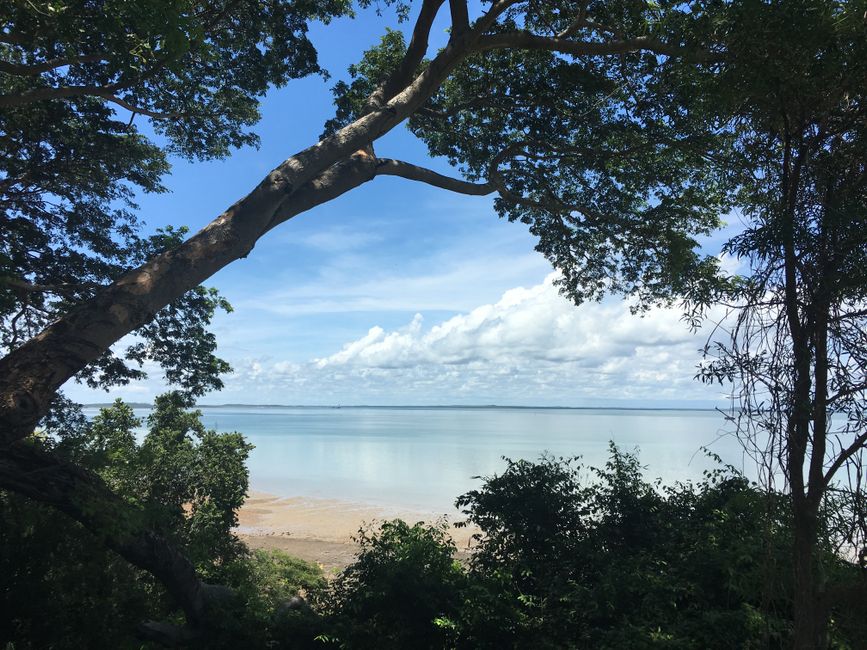
Darwin's tropical lifestyle is enviable—year-round outdoor living, sunrise swims at Mindil Beach, evening runs with Darwin Runners Club along the waterfront. But when the sun sets and humidity hangs thick over suburbs like Fannie Bay and Nightcliff, many locals discover their sleep quality is suffering.
The culprit? Three environmental factors science has long understood but Darwin's climate makes impossible to ignore: temperature, light, and noise.
Temperature: Your tropical nemesis
Sleep experts recommend a bedroom temperature between 16–19°C. During Darwin's dry season (May to October), achieving this is feasible. But from November through April, when overnight temperatures hover around 25°C with 80% humidity, your body struggles to cool itself—the biological trigger for deep sleep. The cost of air conditioning units ranges from $2,000 to $8,000 installed, making it an investment many households can't avoid if they value rest.
Light pollution in the urban fringe
Streetlights along the Stuart Highway and Mitchell Street cast ambient glow into bedrooms across inner suburbs. Research shows that even dim light exposure suppresses melatonin production. Simple fixes—blackout curtains ($50–150 from hardware stores), or eye masks—can reclaim 20–30 minutes of sleep onset time, according to sleep hygiene studies.
Noise: The waterfront trade-off
Living near Darwin Waterfront's wave lagoon or Mindil Markets means weekend vibrancy but weeknight disturbance. Construction on the Stuart Highway, planes from Darwin Airport, and neighbourhood dogs create soundscapes incompatible with light sleep. White noise machines ($40–200) or earplugs ($15–50) aren't luxuries—they're essential tools for many residents.
A practical local approach
The Northern Territory's extreme environment demands intentional sleep design. Consider: installing thermal-reflective window film to reduce heat gain and glare; investing in quality bedding suited to humidity (breathable cotton, moisture-wicking fabrics); and scheduling bedroom cooling before sleep rather than leaving air conditioning running continuously.
TEHS health services and local GPs increasingly recognise sleep deprivation as a public health concern in Darwin. Poor sleep undermines immune function, mental health, and physical recovery—exactly what matters after a week of outdoor activities.
Your sleep environment isn't a luxury detail. In Darwin's climate, it's foundational wellness. Start with one change—temperature control, light blocking, or noise reduction—and notice how your energy and mood shift. The Top End's outdoor lifestyle only matters if you're genuinely rested enough to enjoy it.
This article was compiled by AI and screened before publishing. See our editorial standards.
Your reaction
Spread the word
About this article
Published by The Daily Darwin
Daily brief
Free, in your inbox before 7am. Weekdays.
The Daily Network — local news across Australia