Screen Time and Sleep: What the Research Actually Shows
The blue light debate is everywhere—but neuroscientists say the real culprit keeping Darwin's night owls awake is far more nuanced.
The blue light debate is everywhere—but neuroscientists say the real culprit keeping Darwin's night owls awake is far more nuanced.
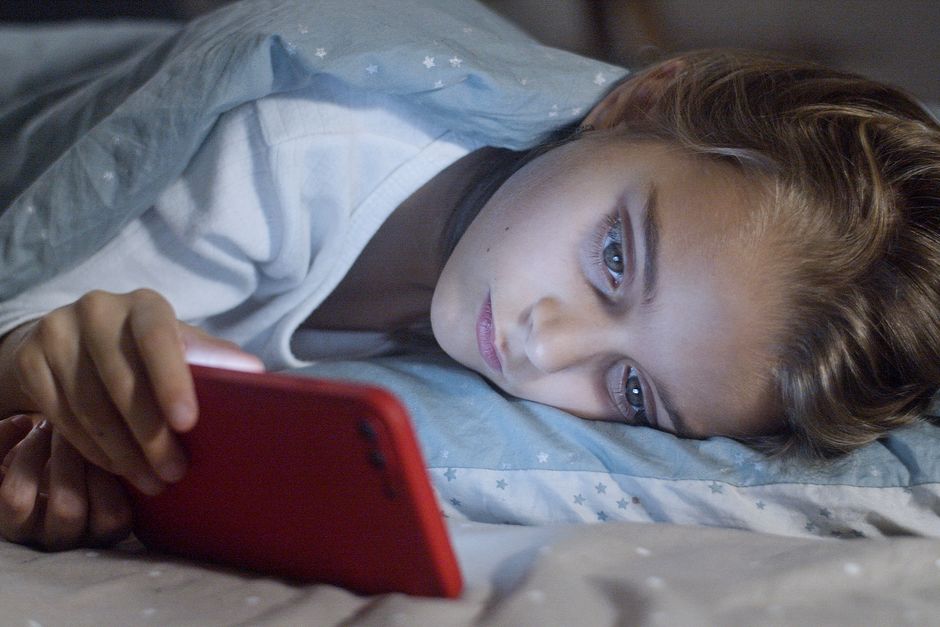
At 10 p.m. on a typical weeknight, Darwin's outdoor lifestyle comes indoors, and screens light up across the city—from Fannie Bay apartments to Larrakeyah homes. But does scrolling through your phone before bed really wreck your sleep? The answer is more complex than the wellness headlines suggest.
The research consensus has shifted considerably. While blue light from screens does suppress melatonin production, studies show the effect is modest—typically a 15- to 30-minute delay in sleep onset, not the catastrophic disruption once claimed. What matters far more, according to sleep neuroscience, is what you're actually *doing* on the screen.
"The content engagement is the real problem," explains the research. Social media algorithms, news feeds, and work emails trigger cognitive arousal and stress responses. Your brain doesn't simply need darkness; it needs *psychological* disengagement. Someone checking their Darwin Runners Club WhatsApp group at 11 p.m. isn't losing sleep because of photons—they're losing it because their mind is active.
Local context matters here. Darwin's unique environment—year-round heat, seasonal humidity, and outdoor recreation culture—already disrupts sleep patterns for many residents. Add screen time that keeps your sympathetic nervous system firing, and you've compounded the challenge. A humid Mindil Beach evening naturally invites an earlier sunset market visit and earlier wind-down, yet many find themselves doom-scrolling instead.
The practical takeaway? Rather than demonising screens entirely, the evidence supports a behavioural shift. The Darwin Waterfront precinct and Fannie Bay's outdoor spaces offer evening alternatives—walking, swimming, or simply being present without devices. The Mindil Beach markets (open Thursday and Sunday) provide social engagement that naturally energises without overstimulation.
If you do use screens near bedtime, research suggests these work: stopping content consumption 60 minutes before sleep (not just dimming brightness), using blue light filters only as a secondary strategy, and choosing passive over interactive content. Reading on your phone isn't the same as active social media use.
For those managing existing sleep issues, consulting with TEHS health professionals or local sleep clinics remains essential. Everyone's circadian rhythm differs, particularly in tropical climates where daylight dominates year-round.
The headline-grabbing claim that screens destroy sleep was always oversimplified. What actually disrupts sleep is mental engagement, stress, and habit—all things a screen can trigger, but aren't inherent to the technology itself. Darwin's residents, blessed with consistent daylight and outdoor culture, have natural advantages. Using them intentionally matters more than obsessing over blue light.
This article was compiled by AI and screened before publishing. See our editorial standards.
Your reaction
Spread the word
About this article
Published by The Daily Darwin
Daily brief
Free, in your inbox before 7am. Weekdays.
The Daily Network — local news across Australia