The Darwin Nap Dilemma: When an Afternoon Sleep Helps—and When It Hurts
In a tropical climate where heat peaks at 2pm, the siesta temptation is real—but sleep scientists say timing and duration matter far more than you'd think.
In a tropical climate where heat peaks at 2pm, the siesta temptation is real—but sleep scientists say timing and duration matter far more than you'd think.
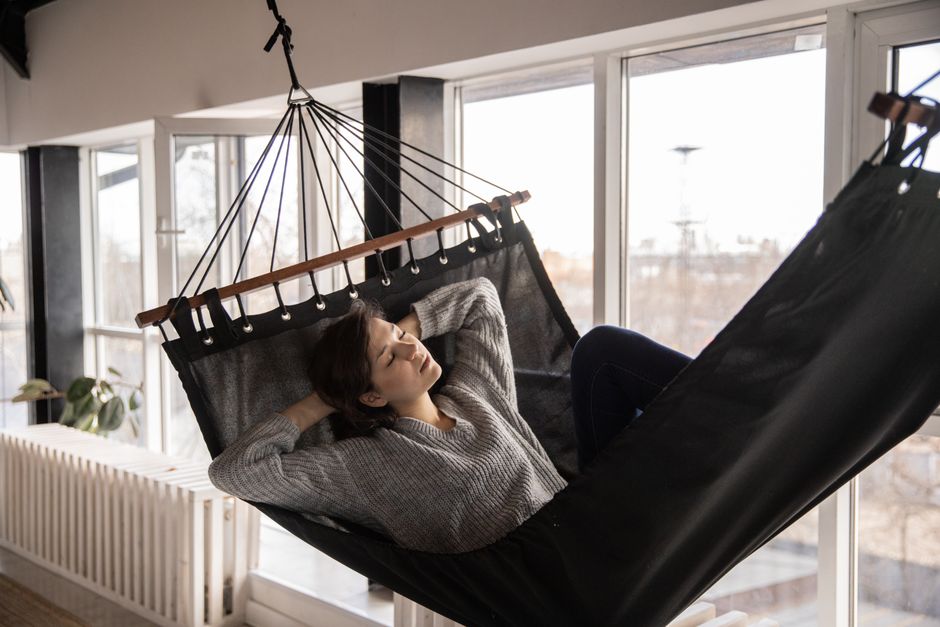
It's 2:15pm on a Tuesday, the mercury is climbing toward 34°C, and you're slumped at your desk in Mitchell Street thinking a 20-minute nap would solve everything. You're not alone. Darwin's subtropical rhythm practically invites the afternoon sleep—yet sleep experts warn that not all naps are created equal.
The science is straightforward: naps can either supercharge your evening or sabotage your night's rest, depending on when and how long you sleep. Research shows a tactical 15–20 minute nap boosts alertness and cognitive function without triggering sleep inertia (that groggy, disoriented feeling). For Darwin's outdoor lifestyle enthusiasts—runners training with Darwin Runners Club, swimmers at Mindil Beach, or weekend explorers heading to Kakadu—a short afternoon nap can genuinely enhance performance.
But here's the catch: anything longer than 30 minutes, or napping after 3pm, can wreak havoc on your nighttime sleep. "Sleep pressure builds throughout the day," explains the logic behind sleep science. A 90-minute nap at 4pm might feel restorative in the moment, but it'll flatten your sleep debt by evening, leaving you wired until midnight despite Darwin's heat encouraging earlier bed times.
Local context matters. During Darwin's wet season, humidity and afternoon storms create natural dips in energy—the urge to nap intensifies. Yet the longer daylight hours (sunset approaches 8:15pm in winter, 9:05pm in summer) mean evening commitments stretch late. A nap taken too close to dinner disrupts the sleep-wake cycle just when your body should be winding down for the night.
For those working irregular hours—hospitality staff at Mindil Beach markets, healthcare workers at TEHS, or anyone managing Darwin's intense midday heat—strategic napping becomes crucial. The key: set a timer for 20 minutes maximum, nap before 2pm ideally, and keep your bedroom dark and cool when you do rest.
If you're struggling with persistent daytime sleepiness or find afternoon naps replacing night sleep, that's a sign worth discussing with a local health professional. Sleep issues can signal underlying fatigue, stress, or health changes that deserve proper assessment.
Darwin's year-round warmth and outdoor culture make napping tempting. Just remember: a well-timed 20-minute power nap is your friend. Anything longer after mid-afternoon? That's when the nap becomes the enemy of the night ahead.
This article was compiled by AI and screened before publishing. See our editorial standards.
Your reaction
Spread the word
About this article
Published by The Daily Darwin
Daily brief
Free, in your inbox before 7am. Weekdays.
The Daily Network — local news across Australia