Why Darwin's Heat, Light and Noise Are Sabotaging Your Sleep – and How to Fight Back
As tropical nights grow warmer and our city gets busier, understanding how temperature, light and sound affect rest has never been more critical for local wellness.
As tropical nights grow warmer and our city gets busier, understanding how temperature, light and sound affect rest has never been more critical for local wellness.
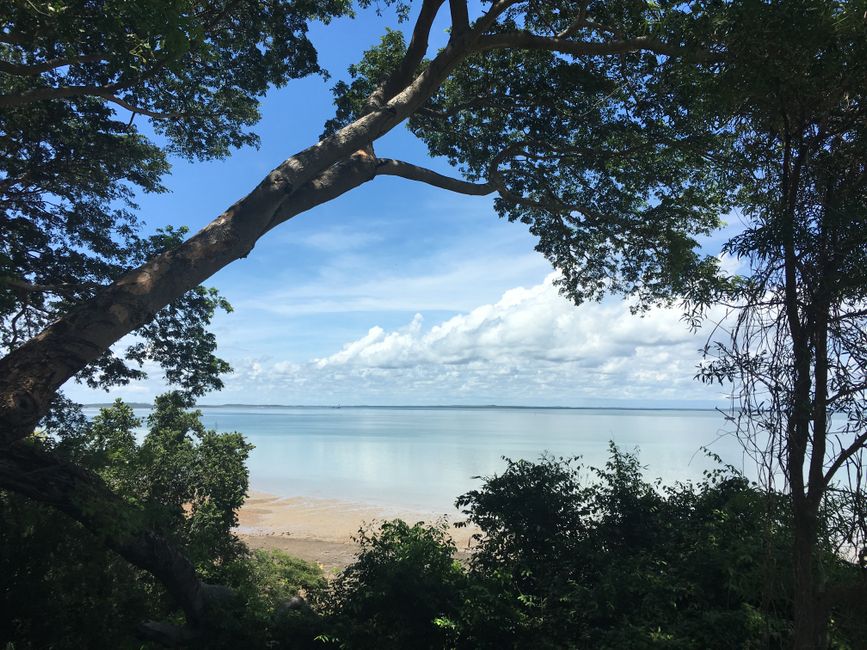
Darwin's reputation as an outdoor lifestyle capital comes with a hidden cost: our environment isn't always conducive to quality sleep. Between the tropical heat that lingers well past sunset, the extended daylight hours during the dry season, and increasing urban noise, many locals are discovering that a good night's rest requires deliberate strategy.
Temperature is perhaps the most obvious culprit. The Northern Territory's average overnight minimum hovers around 24–26°C during winter months, climbing higher in the build-up season. Sleep scientists recommend bedroom temperatures between 16–19°C for optimal rest. For Darwinians, this often means running air conditioning through the night—a significant energy and financial commitment. The solution isn't always about cooling everything down. Lightweight cotton bedding, strategic ventilation in suburbs like Larrakeyah and Fannie Bay, and timing your bedroom preparation for the cooler pre-dawn hours can make measurable differences without maxing out your electricity bill.
Light exposure is equally disruptive. Darwin's dry season (May to October) brings extraordinary daylight—sunrise around 5:30am and sunset after 7pm. For shift workers and early risers, blackout curtains aren't luxury; they're necessity. The Darwin Runners Club, which organizes dawn sessions along the Waterfront, knows this well: members often battle the early light intrusion when they return home. Conversely, our build-up season's humidity and cloud cover create their own sleep challenges. Blue-light filtering from phones and screens matters year-round, especially for those scrolling at Mindil Beach or checking work emails from home offices across Palmerston.
Noise pollution is increasingly documented as a sleep disruptor. Traffic along Mitchell Street, construction activity, and even the buzz of our growing social scene can fragment sleep architecture. The World Health Organization suggests noise levels below 30 decibels for undisturbed sleep. White noise machines, earplugs, or apps mimicking ocean soundscapes—fitting given our proximity to the sea—offer accessible interventions.
Local organizations like TEHS Health are increasingly emphasizing sleep as a cornerstone of wellness, not an afterthought. Simple environmental adjustments—thermal-reflective window treatments, consistent bedroom routines, and noise management—align with Darwin's active lifestyle culture rather than contradicting it.
The message is clear: our tropical paradise demands we be intentional about sleep. Small changes to temperature, light and sound control can transform restless nights into restorative ones, keeping you energized for Darwin's endless outdoor opportunities.
This article was compiled by AI and screened before publishing. See our editorial standards.
Your reaction
Spread the word
About this article
Published by The Daily Darwin
Daily brief
Free, in your inbox before 7am. Weekdays.
The Daily Network — local news across Australia