Why Darwin's Sleep Crisis Is Getting Worse – And How to Actually Fix It
From the Top End's relentless heat to our always-on culture, sleep deprivation has become the region's hidden health epidemic.
From the Top End's relentless heat to our always-on culture, sleep deprivation has become the region's hidden health epidemic.
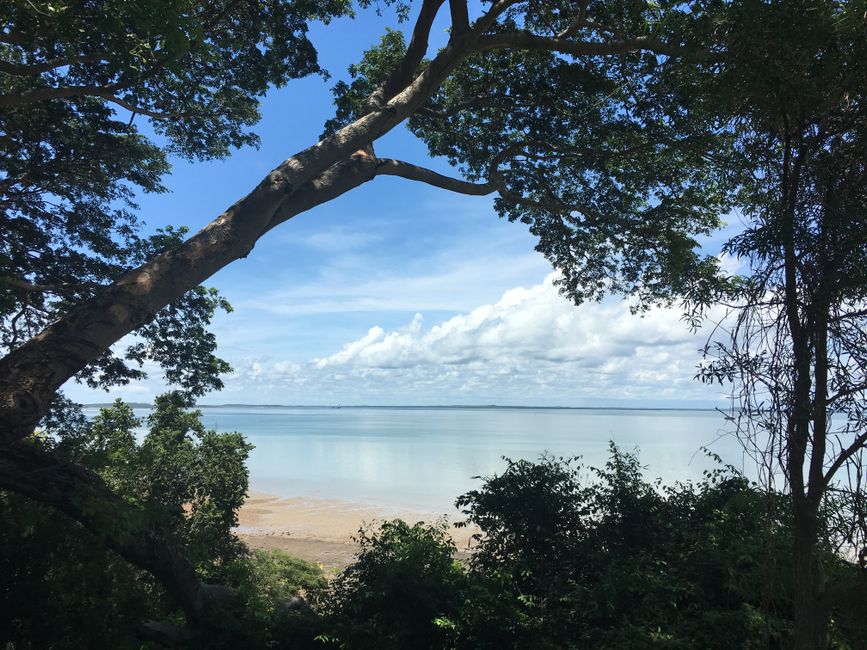
Ask anyone at the Mindil Beach sunset markets or grabbing a flat white on Mitchell Street, and you'll hear the same refrain: nobody's sleeping properly anymore. A 2025 Australasian Sleep Society report found that sleep disorders have surged 34 per cent nationally over five years, and Darwin – with its tropical climate, erratic daylight patterns, and increasingly demanding work culture – appears to be ground zero.
The culprits are familiar but relentless. Our wet season temperatures routinely exceed 32°C well into the evening, making air conditioning not a luxury but a survival tool. For those without reliable cooling, sleep becomes a battle against humidity and heat. Daylight saving's December-to-April window amplifies the problem: sunrise before 5.30am floods bedrooms with light, while digital screens keep our brains stimulated until midnight. The Darwin Runners Club's evening cohorts often report their most energetic runs occur at 6pm – precisely when circadian rhythms should be winding down.
Workplace culture compounds the crisis. Darwin's tourism, mining, and hospitality sectors demand shift work and irregular schedules that fracture sleep architecture. TEHS (Top End Health Service) occupational health divisions have noted increased referrals for sleep-related fatigue among healthcare workers themselves – an ironic twist for a sector dedicated to wellness.
So what actually works?
Sleep specialists recommend blocking the pre-dawn light: blackout curtains on Mitchell Street apartments and suburban homes in Fannie Bay or Larrakeyah are genuinely non-negotiable here. Cost matters – quality options run $200–$400 – but poor sleep costs more in productivity and health.
Temperature management is equally critical. Setting air conditioning to 18–20°C mimics conditions that promote deep sleep, though Darwin's power bills sting. More sustainable: lightweight breathable bedding (cotton or linen), cold showers before bed, and keeping bedrooms door-closed during peak afternoon heat.
Digital discipline is harder but essential. The Darwin Waterfront precinct's evening walking trails offer screen-free wind-down time; 20 minutes of gentle movement three hours before bed improves sleep onset significantly. Magnesium-rich foods – readily available at Mindil Beach's fresh produce stalls – support natural sleep regulation.
Finally, consistency matters more in the tropics than anywhere else. Erratic sleep schedules compound heat stress. Aim for the same bedtime and wake time, even weekends.
Darwin's lifestyle rewards year-round outdoor activity, but we're paying a hidden cost. Better sleep isn't indulgent – it's foundational wellness.
This article was compiled by AI and screened before publishing. See our editorial standards.
Your reaction
Spread the word
About this article
Published by The Daily Darwin
Daily brief
Free, in your inbox before 7am. Weekdays.
The Daily Network — local news across Australia