Building Psychological Resilience with Small Daily Habits
Darwin's wellness experts reveal how consistent micro-practices—from sunrise swims to evening routines—strengthen mental fortitude in our tropical climate.
Darwin's wellness experts reveal how consistent micro-practices—from sunrise swims to evening routines—strengthen mental fortitude in our tropical climate.
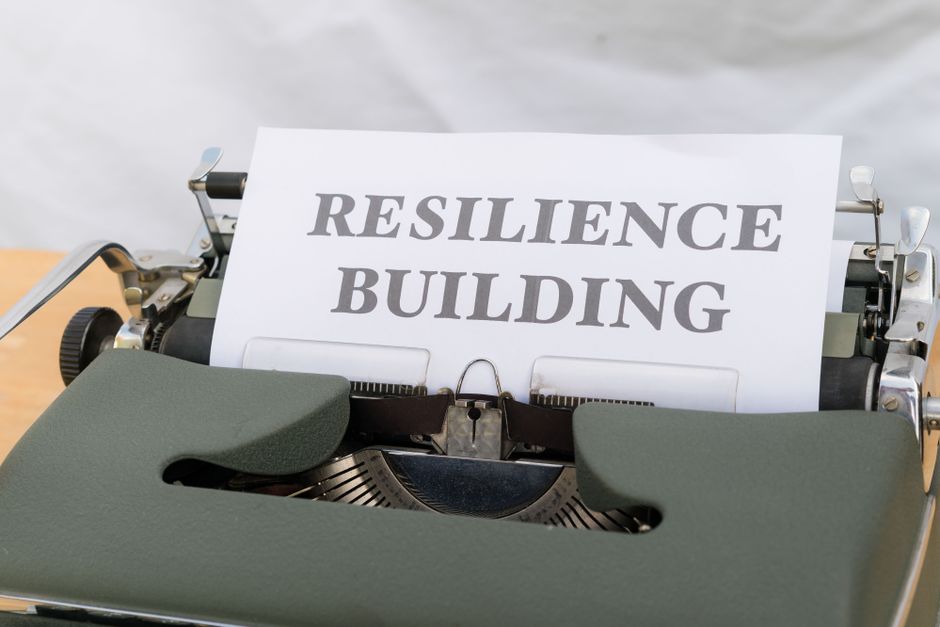
In a city where the wet season can stretch emotional reserves thin and isolation weighs heavy on newcomers, Darwin residents are discovering that psychological resilience isn't built through grand gestures—it's forged through deliberate daily habits.
The science is compelling. Research from the Australian Psychological Society suggests that small, consistent practices activate neuroplasticity, rewiring our stress responses over weeks rather than months. For Darwin's 150,000 residents juggling tropical humidity, distance from major cities, and a transient population, these micro-habits offer accessible mental scaffolding.
Start with movement. A 15-minute dawn swim at Mindil Beach or a casual run with Darwin Runners Club costs nothing and delivers measurable cortisol reduction. Even a 10-minute walk along the Waterfront precinct—whether you're browsing the sunset market or simply observing the lagoon—resets your nervous system. The consistency matters more than intensity.
Next, anchor a reflection practice. This needn't involve meditation apps or expensive wellness retreats. A five-minute journaling session on your Mitchell Street apartment balcony, or jotting three specific wins before bed, rewires your brain toward noticing what's working rather than what isn't. Northern Territory health services increasingly recommend this for managing the psychological strain unique to remote living.
Nutrition deserves attention too. Mindil Beach Sunset Market vendors stock fresh tropical produce year-round—mangoes, native finger limes, leafy greens—all linked to improved mood stability. Pairing market visits with social connection amplifies benefits: you're moving, consuming whole foods, and building community simultaneously.
TEHS (Top End Health Services) counsellors emphasise that resilience also means knowing your limits. Small habits include identifying your personal early-warning signs of overwhelm and building a contact list before crisis hits. Whether that's a mate's number, a local psychologist's details, or a community support line, preparation itself builds psychological confidence.
The tropical context matters. Darwin's intensity—whether scorching heat, cyclone season uncertainty, or workplace pressures unique to a smaller market—demands resilience practices tailored to our environment. An evening wind-down routine becomes non-negotiable when temperatures remain above 30 degrees at midnight.
Start micro: one new habit this week. A beachside walk. A three-sentence journal entry. A single conversation with a neighbour at the market. Over eight weeks, these accumulate into genuine psychological shifts. Resilience isn't exotic. It's Darwin locals, consistently choosing small nourishing acts, day after day.
This article was compiled by AI and screened before publishing. See our editorial standards.
Your reaction
Spread the word
About this article
Published by The Daily Darwin
Daily brief
Free, in your inbox before 7am. Weekdays.
The Daily Network — local news across Australia