Screen Time and Sleep: What the Research Actually Shows
As Darwin's outdoor lifestyle culture meets digital reality, the science on blue light and bedtime reveals nuance—and hope.
As Darwin's outdoor lifestyle culture meets digital reality, the science on blue light and bedtime reveals nuance—and hope.
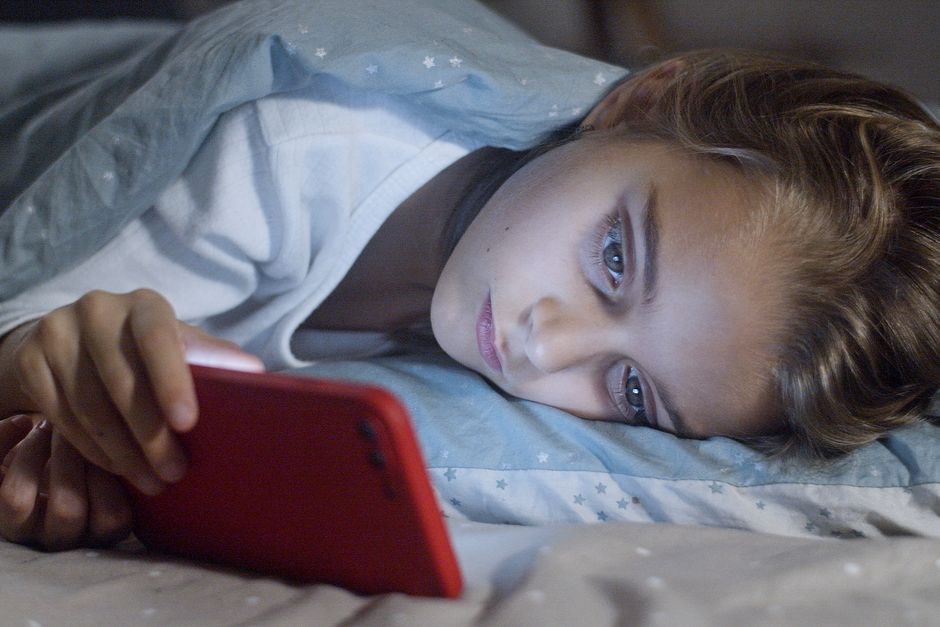
The narrative is familiar: put your phone away before bed, or suffer the consequences. But a closer look at the research suggests the relationship between screens and sleep is far more complex than the doom-and-gloom headlines suggest.
In Darwin, where our 365-day outdoor lifestyle encourages evening strolls along the Waterfront and late-night visits to Mindil Beach sunset market, the pressure to disconnect feels particularly acute. Yet emerging evidence shows the real culprit isn't screens themselves—it's what we're doing on them.
Recent sleep studies distinguish between passive scrolling and active engagement. A 2024 analysis found that using screens for work or learning before bed correlated with worse sleep than social media use alone. The key difference: intentional, time-limited activity versus endless algorithmic feeds designed to keep you engaged. Light from screens does suppress melatonin, but the effect is smaller than previously thought—roughly 30–50 minutes of delayed sleep onset for most people, not the two-hour deficit once claimed.
What matters more is when and how you use devices. Exposure within 30 minutes of bedtime shows measurable impact; exposure two hours prior shows minimal effect. Brightness settings, distance from the eye, and individual sensitivity vary dramatically. Someone checking their phone at 10 pm faces different consequences than someone scrolling at 8 pm.
Dr Alastair Lonie, chief medical officer at Territory Health and Medical Services, has noted that behavioural factors—anxiety about email, work notifications, or the dopamine hit of social validation—often matter as much as blue light itself.
For Darwin Runners Club members heading out for early morning training, consistency trumps the screen question entirely. Sleep quality correlates far more strongly with regular exercise, daylight exposure, and stable sleep schedules than with a one-hour device rule.
The practical takeaway? Instead of blanket phone bans, consider what you're actually doing. Reading an ebook at 9:30 pm? Likely fine. Arguing with strangers on social media at 11 pm? Less fine. Using blue light filters helps marginally; they're not magic but aren't useless either.
Darwin's tropical climate and generous evening daylight (sunset after 8 pm in winter) naturally shift our rhythms. Lean into that advantage. Prioritise morning light exposure—a walk through Casuarina or around Fannie Bay costs nothing and resets your circadian clock more effectively than any screen management.
The research says: screens aren't your enemy. Mindless engagement, anxiety-driven checking, and irregular sleep schedules are. Know the difference, and you'll sleep better—phone or no phone.
For personalised sleep advice, consult a local healthcare provider through TEHS or your GP.
This article was compiled by AI and screened before publishing. See our editorial standards.
Your reaction
Spread the word
About this article
Published by The Daily Darwin
Daily brief
Free, in your inbox before 7am. Weekdays.
The Daily Network — local news across Australia