Yoga Styles Explained: Which One Suits Your Lifestyle?
From sweaty Bikram sessions to Sunday-morning yin, Darwin's yoga scene has something for every body — here's how to cut through the noise and find your fit.
From sweaty Bikram sessions to Sunday-morning yin, Darwin's yoga scene has something for every body — here's how to cut through the noise and find your fit.
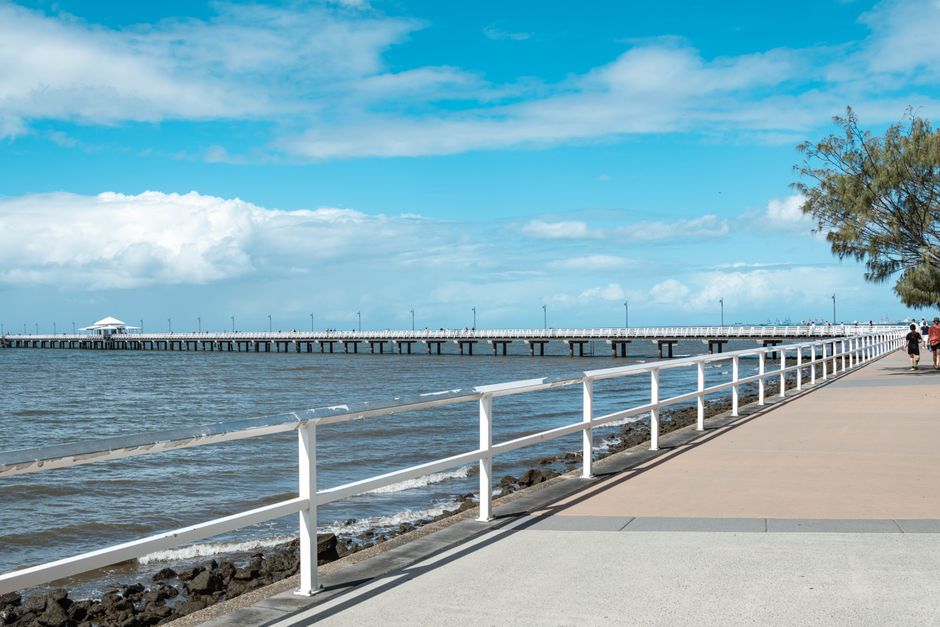
Yoga class enrolments across the Northern Territory jumped roughly 22 percent between 2023 and 2025, according to fitness industry data from Fitness Australia, and Darwin studios say they are fielding more beginner enquiries now than at any point since the post-pandemic surge. The city's year-round warmth, its outdoor culture, and a growing conversation around hormone health and stress management have pushed more Territorians toward the mat — but many don't know which style to try first.
The timing matters. Australians are rethinking how they manage anxiety, sleep and chronic pain without defaulting to medication, a shift visible in everything from the renewed interest in hormone therapies to community crime-prevention programs built on social connection. Yoga sits squarely in that conversation. Its evidence base is no longer fringe: a 2024 meta-analysis published in the British Journal of Sports Medicine found consistent yoga practice — at least twice weekly for eight weeks — produced clinically meaningful reductions in self-reported anxiety scores across 35 separate trials.
Darwin's options are more varied than most newcomers expect. The Darwin Waterfront Precinct hosts open-air sessions on the grassed area adjacent to the wave lagoon most Sunday mornings from 7 a.m., drawing regulars who combine a post-class swim with breakfast at one of the precinct cafés. The sessions are donation-based, removing the price barrier for casual participants. Meanwhile, Darwin Yoga Space on Smith Street in the CBD runs a structured weekly timetable covering five distinct styles, with casual class fees sitting at $22 and 10-class packs available for $180 as of July 2026.
Hatha is the logical starting point. Classes move slowly, hold poses for several breaths, and prioritise alignment over flow. Older adults and complete beginners consistently report the lowest injury rates in Hatha settings. Vinyasa, by contrast, links breath to continuous movement — think choreography set to music. It suits people who already run or swim and want something that keeps the heart rate elevated. Darwin Runners Club members who cross-train often gravitate here.
Yin yoga involves holding floor-based poses for three to five minutes at a stretch, targeting connective tissue rather than muscle. It is unglamorous and occasionally uncomfortable, but practitioners dealing with tight hips from long desk hours or the repetitive motion of cycling the Leanyer-to-Nightcliff path swear by it. Bikram — 26 postures in a room heated to 40 degrees Celsius — is arguably the most demanding ask for a city that already sits at 32 degrees by 9 a.m. for much of the year, though its structured sequence appeals to people who want the same workout every session. Restorative yoga uses bolsters and blankets to hold fully supported poses for up to 20 minutes. Top End Health Service occupational therapists have begun recommending it to patients managing chronic fatigue and fibromyalgia, noting its parasympathetic activation effects.
One practical note on cost: Medicare does not rebate yoga classes, though some private health funds — including Territory-aware providers like AHM and Medibank — offer annual wellness extras that can offset between $80 and $150 per year against studio fees. Check your extras table before the July 1 benefit reset flips to a new calendar year.
Beginners should resist the impulse to book the most intense option assuming it signals commitment. A single Bikram class in the build-up season has sent more than a few first-timers straight to the exit before the halfway mark. Studios like Darwin Yoga Space and the community-run sessions at Mindil Beach — which operate during the Mindil Beach Sunset Market season from April through October — offer casual drop-ins without the pressure of a membership commitment.
The practical advice is straightforward: attend two or three different styles in the first month before committing financially. Bring water regardless of the style — Darwin's ambient humidity accelerates fluid loss even in non-heated rooms. And if any practice triggers joint pain beyond mild muscle fatigue, speak to a physiotherapist or GP through TEHS before returning to the mat. The goal is longevity on the practice, not a single dramatic session.
Your reaction
Spread the word
About this article
Published by The Daily Darwin
Daily brief
Free, in your inbox before 7am. Weekdays.
The Daily Network — local news across Australia