The Science Behind Mindfulness: What It Actually Does to the Brain
From Darwin Waterfront to Nightcliff Foreshore, locals are turning to meditation—but what’s actually happening in our heads when we meditate?
From Darwin Waterfront to Nightcliff Foreshore, locals are turning to meditation—but what’s actually happening in our heads when we meditate?
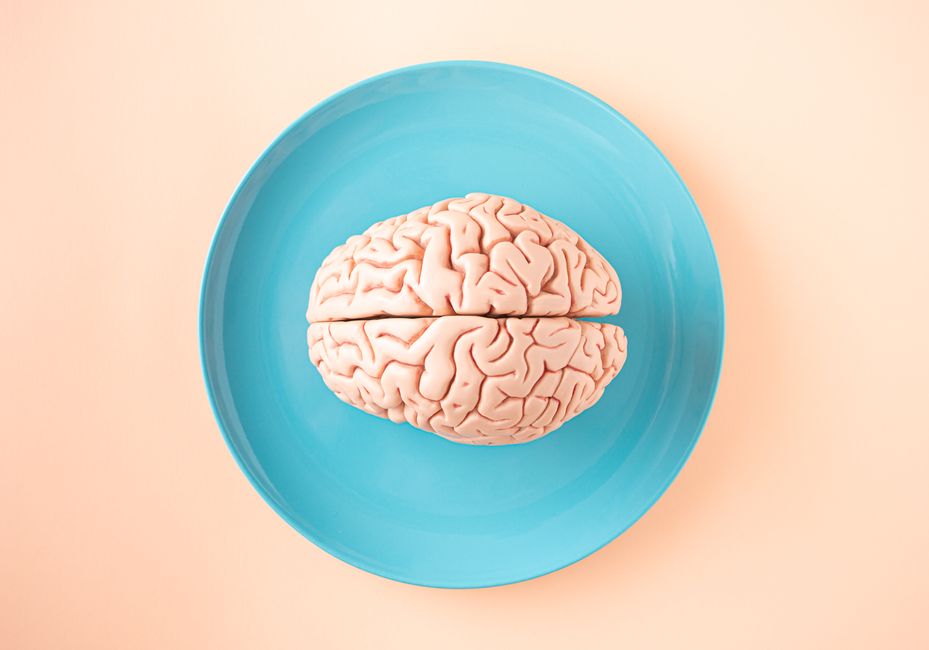
MRI scans from 2026 show regular mindfulness practice changes the brain’s physical structure, including thicker grey matter in regions tied to focus and emotion. These findings are fuelling a surge of interest in meditation across Darwin, from guided sessions at Parap Village Community Centre to early-morning beach groups stretching out on the Mindil sand.
The demand for tools to manage stress is rising across the Top End. It’s not just post-pandemic anxiety or household cost-of-living pressures. According to Top End Health Service’s (TEHS) 2025 report on youth mental health, nearly one in four Darwinites under 25 sought help for anxiety last year—a 31% increase since 2022. As social media feeds fill with frightening headlines—from inner-city violence in Melbourne, to the spike in smoking among teens—health advocates say it’s no surprise more locals are looking for ways to steady their thoughts.
“You can’t change what’s on the front page,” says a TEHS community educator, “but you can train your brain to respond, not react.” For many, mindfulness isn’t just a wellness slogan. It’s a survival kit—accessible on the lawn at Bicentennial Park or in app form during the midday lull at Cavenagh Street offices.
So what’s actually going on upstairs when you tune in to your breathing by the Arafura Sea? A growing number of scientific studies point to measurable changes. Harvard University research from 2023 tracked people through eight weeks of guided mindfulness classes—similar to those offered every Tuesday night at The Deckchair Cinema by Yoga Territory. The result: the hippocampus, crucial for learning and memory, showed measurable growth. The amygdala, linked to fear and stress, got quieter. Locally, Darwin Runners and Walkers Club—not just an athletics group, but one that’s introduced Wednesday “mindful jogs” along Nightcliff—reports members citing improved sleep and sharper focus.
Numbers tell more of the story. Australians now download nearly half a million meditation app sessions each month according to App Annie data, and the Mindfulness Centre NT reports class bookings up 42% since January 2024. A single drop-in group on a Thursday night at Parap Village costs $15—less than the price of a Darwin City brunch—and fills up fast. “It’s the cheapest brain training in town,” one volunteer points out.
Those looking to test the science for themselves have options both old-school and high-tech. The Darwin Waterfront hosts sunrise guided meditation sessions each Saturday for $10, while Smith Street’s Calm & Connected NT clinic runs regular intro-to-mindfulness workshops tailored to beginners. For a self-guided approach, the free Healthy Darwin Mindfulness Challenge launches again on August 1, offering daily short exercises and tracking sheets downloadable from the City of Darwin website.
Darwin’s unique mix of natural spaces and strong community ties means it’s never been easier to try tuning into the moment—whether on the bamboo platform next to Nightcliff Pool or through headphones on the Rapid Creek footpath. Health professionals urge newcomers to start small—five minutes a day, eyes open or closed, just noticing breath or sound. As TEHS reminds: mindfulness isn’t a quick fix, and anyone struggling with ongoing mental health issues should reach out for personalised support. But for many locals, science is adding weight to something ancient: sometimes, sitting still really does change minds.
Your reaction
Spread the word
About this article
Published by The Daily Darwin
Daily brief
Free, in your inbox before 7am. Weekdays.
The Daily Network — local news across Australia