Napping in Darwin: When It Helps and When It Hurts
Daytime dozing can boost focus—or wreck your nightly sleep. Here’s how Darwin locals can get naps right.
Daytime dozing can boost focus—or wreck your nightly sleep. Here’s how Darwin locals can get naps right.
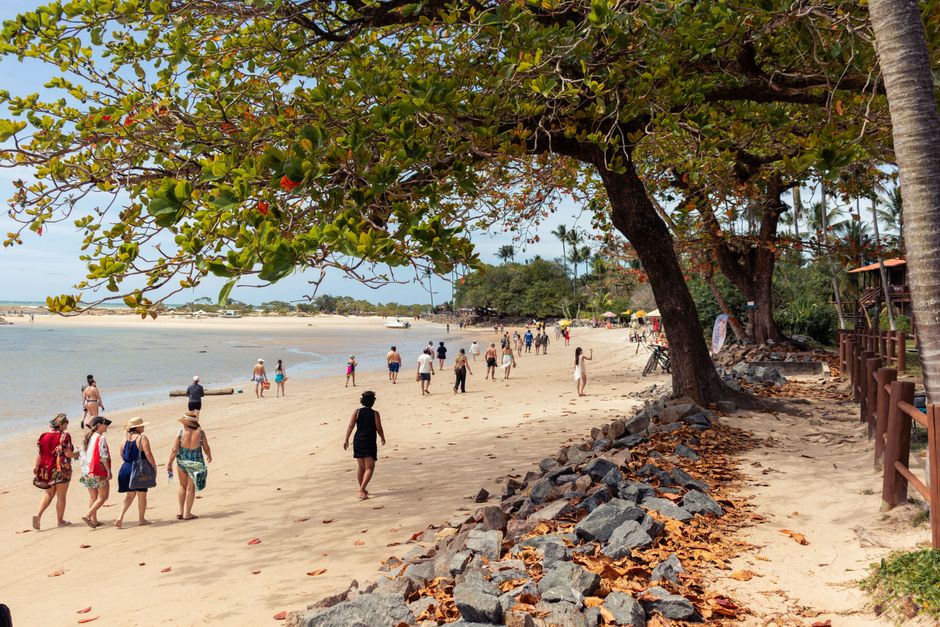
This dry season, more Darwin locals are sneaking in afternoon naps—sometimes to their benefit, sometimes to their regret. As the temperature pushes past 32°C most July afternoons and humidity lingers, the temptation to take a quick kip after lunch is strong. But experts warn timing and length matter: done wrong, napping can backfire, leading to grogginess or insomnia at bedtime.
Sleep science is clear: short naps, around 20 minutes, can improve alertness, memory, and mood. Any longer, and you risk falling into deep sleep, making it much harder to wake up refreshed. It’s a point stressed by Dr Anna Collins, a sleep physiologist at the Top End Health Service (TEHS) who says oversleeping in the daytime is a major trigger for poor sleep patterns in Darwin’s population—especially among shift workers and parents.
The need for rest isn’t just theoretical. In Darwin’s city centre, workers from Smith Street’s cluster of law firms and start-ups often hit the shady lawns of Bicentennial Park, curling up under rain trees for a midday break. Meanwhile, Mindil Beach sunset market stallholders, who wrap up late into the evening, say short late-morning naps are essential for their stamina during the Thursday and Sunday trade.
Darwin’s relentless daylight and heat have long played tricks with natural sleep cycles. Research from the Sleep Health Foundation found that 30% of Territorians report daytime sleepiness at least three days each week. The Waterfront wave lagoon’s lifeguards have introduced mandatory shift nap breaks of 15 minutes after an incident two years ago, when a staff member fainted from heat fatigue after skipping rest. The policy, trialled in late 2024, showed such breaks improved reaction times by 18% (according to the trial’s internal TEHS memo, obtained by The Daily Darwin).
But not every nap is helpful. At Charles Darwin University’s Casuarina campus, first-year students told The Daily Darwin they often napped for more than an hour after late-night study sessions—only to find themselves unable to sleep until past 1am. “Sleep inertia”—that groggy, heavy feeling after a long nap—was common, as confirmed by recent findings in the Medical Journal of Australia linking naps over 40 minutes to higher risk of insomnia and afternoon headaches.
Energy bills give another motivator. As Power and Water Corporation confirms this July, households can expect a typical monthly bill of $390 during dry season. Some residents deliberately nap in the hottest part of the afternoon to avoid running their air conditioners—short snoozes help, but long slumbers push much-desired nighttime rest further out of reach.
The ideal nap looks simple: 10-25 minutes, started before 3pm. That’s the model followed by local fitness groups, including Darwin Runners Club, who trialled “recovery naps” during last month’s Fun Run at East Point Reserve. For those feeling sleepy after lunch, consider the shaded tables around Nightcliff Foreshore—or, for city workers, the cool corners of Darwin City Library on Harry Chan Avenue. Set an alarm, wear sunglasses, and don’t nap after mid-afternoon if you want to sleep soundly at night.
For anyone wrestling with chronic tiredness, sleep clinics at Royal Darwin Hospital and TEHS Mindil Beach campus now offer weekend drop-ins, and most GPs in Nightcliff and Parap can assess for underlying issues like sleep apnoea or depression. While Darwin’s weather and lifestyle may tempt locals into a regular siesta routine, the evidence is clear: the right nap can sharpen your mind for that sunset run—or market stroll—but overdo it, and you may be counting ceiling fans deep into the night.
Your reaction
Spread the word
About this article
Published by The Daily Darwin
Daily brief
Free, in your inbox before 7am. Weekdays.
The Daily Network — local news across Australia