Poor Sleep Is a Darwin Problem Too — Here's Where to Get Answers
As Australia's heat records tumble and lifestyle pressures mount, Darwin's sleep clinics are seeing more residents show up exhausted and looking for help.
As Australia's heat records tumble and lifestyle pressures mount, Darwin's sleep clinics are seeing more residents show up exhausted and looking for help.
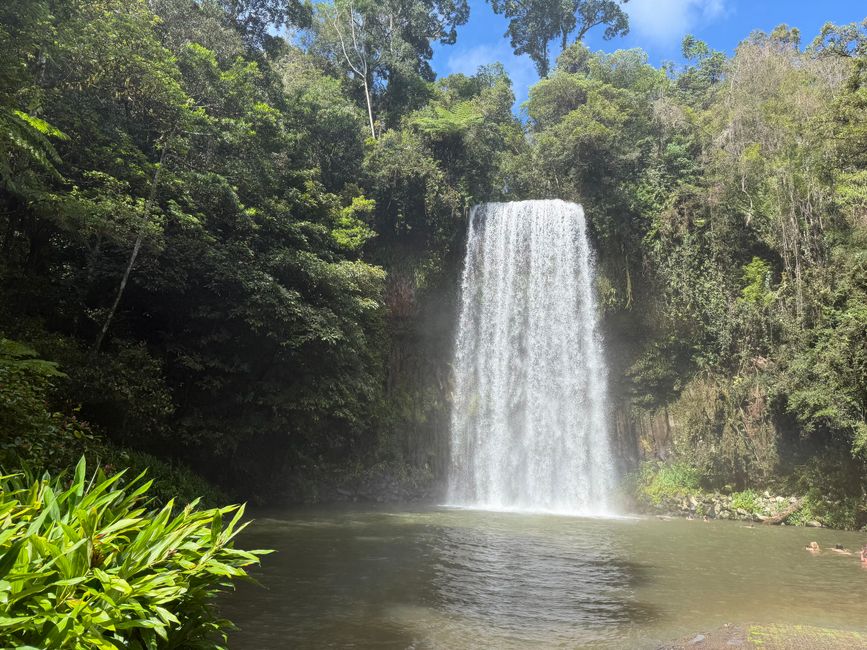
Darwin sits at 12 degrees south of the equator, which means even July nights rarely drop below 20°C. That thermal reality, combined with shift rosters at the Darwin Port and the 24-hour rhythms of the wet-dry economy, makes chronic sleep disruption one of the most underreported health problems in the Top End. Territory Health Services estimates that roughly one in five Australian adults meets the clinical threshold for a sleep disorder — and clinicians working in Darwin say there is no reason to think the NT figures are any kinder.
The timing matters. Sydney just recorded its hottest June since records began in 1859, and climate scientists are treating the data as a warning about what's coming for northern Australia, where summer heat events are already more extreme. For Darwin residents, sleeping through rising overnight temperatures without adequate air conditioning is not a minor inconvenience — it fragments slow-wave and REM sleep, the phases most responsible for immune function, memory consolidation, and mood regulation. When those phases are cut short night after night, the body accumulates what sleep researchers call a debt that a single weekend sleep-in cannot repay.
The primary public pathway for Darwinites is through the Royal Darwin Hospital Sleep Disorders Service, located on Rocklands Drive in Tiwi. A GP referral is required. From there, patients are typically assessed using the Epworth Sleepiness Scale — a nine-question tool that scores daytime drowsiness — before being considered for a polysomnography, the overnight study that monitors brain waves, blood oxygen, heart rate, and breathing simultaneously. Wait times on the public list have been running at roughly three to six months for non-urgent cases, according to information published by Top End Health Service (TEHS), which manages the hospital.
Private options exist and can shorten that wait considerably. Darwin Sleep Clinic, operating out of rooms in the Casuarina area, offers home-based sleep studies for adults presenting with suspected obstructive sleep apnoea. A home study typically costs between $250 and $400 out of pocket after a Medicare rebate under item number 12203, which covers diagnostic investigation for sleep-disordered breathing. Full in-lab polysomnography — the gold standard for complex presentations involving parasomnias or narcolepsy — generally runs higher, from $600 to over $900 depending on the provider and whether anaesthesia or specialist fees apply. Anyone with private hospital cover should check their policy carefully; the gap varies substantially.
Beyond apnoea, clinicians in Darwin report seeing a meaningful number of cases linked to circadian rhythm disruption. Fly-in fly-out workers, nurses on rotating shifts at Darwin Private Hospital on Rocklands Drive, and hospitality staff whose nights end after the Mindil Beach Sunset Market closes at 9 pm are all populations where the body clock gets pulled in competing directions. The condition is diagnosable and treatable — but it requires a different protocol than apnoea management, which is why an accurate initial assessment matters.
Sleep hygiene advice sounds basic because most of it is: consistent wake times, keeping the bedroom below 20°C where possible, and cutting back on screens in the hour before bed. The Darwin Runners Club, which trains at East Point Reserve most Tuesday and Saturday mornings, has documented anecdotally that members who log at least three aerobic sessions a week report better sleep quality — a finding consistent with a 2023 meta-analysis published in the British Journal of Sports Medicine covering 22 controlled trials and more than 1,400 participants.
Alcohol is worth examining specifically in a Darwin context. The NT has the highest per capita alcohol consumption in Australia, and alcohol, while it accelerates sleep onset, suppresses REM sleep and causes rebound waking in the second half of the night. That pattern looks a lot like insomnia to the person living it.
The practical first move is a conversation with a GP. Clinics across Palmerston and the Darwin CBD can administer the Epworth scale in under ten minutes and decide whether a referral to TEHS or a private provider is the right next step. The Casuarina Square Medical Centre and Nightcliff Family Practice both bulk bill eligible patients for those initial consultations. Getting on a list takes a phone call. Staying exhausted, it turns out, takes much less effort.
Your reaction
Spread the word
About this article
Published by The Daily Darwin
Daily brief
Free, in your inbox before 7am. Weekdays.
The Daily Network — local news across Australia