How Temperature, Light and Noise Affect Your Sleep Quality in Darwin
Darwin locals face unique sleep challenges from heat, humidity and urban noise – but small lifestyle tweaks can make a real difference.
Darwin locals face unique sleep challenges from heat, humidity and urban noise – but small lifestyle tweaks can make a real difference.
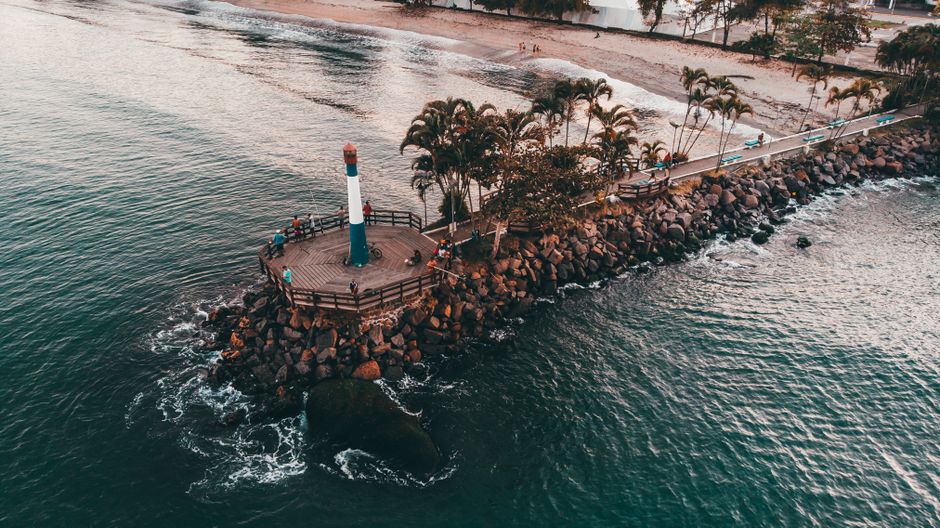
Residents across Darwin are losing sleep, quite literally, due to the city’s relentless heat, bright urban lights and the steady hum of city noise. Recent studies suggest that sleep quality among Top End city dwellers is impacted by a triple threat: tropical temperatures, 24-hour lighting and late-night neighbourhood sounds.
It’s no secret that Darwin’s climate turns bedrooms into saunas for much of the year. Overnight minimums routinely stay above 25°C well past June, with Bureau of Meteorology records showing 67 nights above 24°C at Darwin Airport so far this year. Add to that the hundreds of high-lumen streetlights along Smith Street, Daly Street and the Stuart Highway, and suddenly blackout curtains and good aircon become a medical necessity.
Local sleep scientist Dr. Emma Tran, part of the Top End Health Service (TEHS) sleep clinic at Royal Darwin Hospital, said high overnight temperatures “delay the body’s natural drop in core temperature that's needed for deep sleep”. Even central city neighbourhoods such as Parap, Rapid Creek and the Waterfront district suffer from spillover light from night markets, bars and apartment blocks. A 2025 TEHS report highlighted Mindil Beach and Cullen Bay as hotspots for nocturnal noise, thanks to live music, markets and visiting party boats.
Population growth hasn’t helped. An estimated 63,000 people now live in Darwin city, up nearly 8% since 2020, according to the Northern Territory Department of Infrastructure. With more late-night dining (Smith Street Social, Hanuman) and outdoor gatherings, noise complaints spiked by 16% in Larrakeyah and Nightcliff last wet season, council logs reveal. Local sleep technology retailer Darwin Beds on Cavenagh Street reported that 40% of recent mattress customers also purchased blackout blinds or white noise machines, with the basic models starting at $59.
Air conditioning, while almost universal in new apartment builds like those lining The Esplanade, doesn’t come cheap. Smart Energy reports that keeping a split-system on overnight in Darwin averages $1.60 per night, adding more than $45 to a monthly energy bill. As high humidity and temperature persist, many locals say it’s still money well spent for a decent night’s sleep.
For those seeking a sleep upgrade, small changes stack up. The Darwin Runners Club, which meets at the Waterfront lagoon, advises members to finish high-intensity workouts before 7pm, allowing core temperatures to cool before bed. TEHS recommends blackout drapes for bedrooms facing Mitchell Street and any venue with late-night lights. Noise-cancelling headphones are now a best-seller at Darwin Good Guys, while the Nightcliff Markets stock lavender oil sprays marketed for restless sleepers.
If sleep problems persist, local GPs – including clinics on Stuart Park and Casuarina Square – encourage sleep diaries and, when necessary, overnight monitoring at the TEHS sleep clinic. That first phone consult remains free, and most sleep aids sold at Darwin pharmacies (like melatonin) cost under $30 per pack. As the dry season crowds, festival events and streetlife ramp up after sundown, locals are reminded: a cool, dark, quiet room could be Darwin’s best-kept wellness secret this year.
Your reaction
Spread the word
About this article
Published by The Daily Darwin
Daily brief
Free, in your inbox before 7am. Weekdays.
The Daily Network — local news across Australia